There’s a ‘baijiu’ for every wine lover’s taste - which one suits yours?

The fragrant spirit, made from sorghum, rice, corn, barley and wheat, is divided into four categories based on aroma
Baijiu is a fragrant spirit made from grains including sorghum, rice, corn, barley and wheat. The raw materials are cooked, mixed with a starter culture known as jiuqu, and then dry-fermented in special pits or containers.
The fermented product is distilled multiple times, traditionally using steam in a pot still. New baijiu is often rested or aged in earthenware pots to “soften” the spirit until it is ready for bottling.
There are many different varieties of baijiu, but they can loosely be divided into four categories based on aroma:
Rice aroma: A classic southern style, this rice-based baijiu is light, sweet, floral, smooth and soft. Guilin Sanhua, made using water from the beautiful Li River, is an iconic example.
Light aroma: Made in the north, especially around Beijing, using a special steaming technique, solely from sorghum and fermented in underground jars. Delicate and dry, and clear, mellow and soft in taste.
Strong aroma: Mostly made in Sichuan, from at least two different grains and fermented in mud pits giving it a complex, concentrated, almost overripe flavour. Most premium baijius fall in this category, including Luzhou Laojiao, which has been produced since 1573.
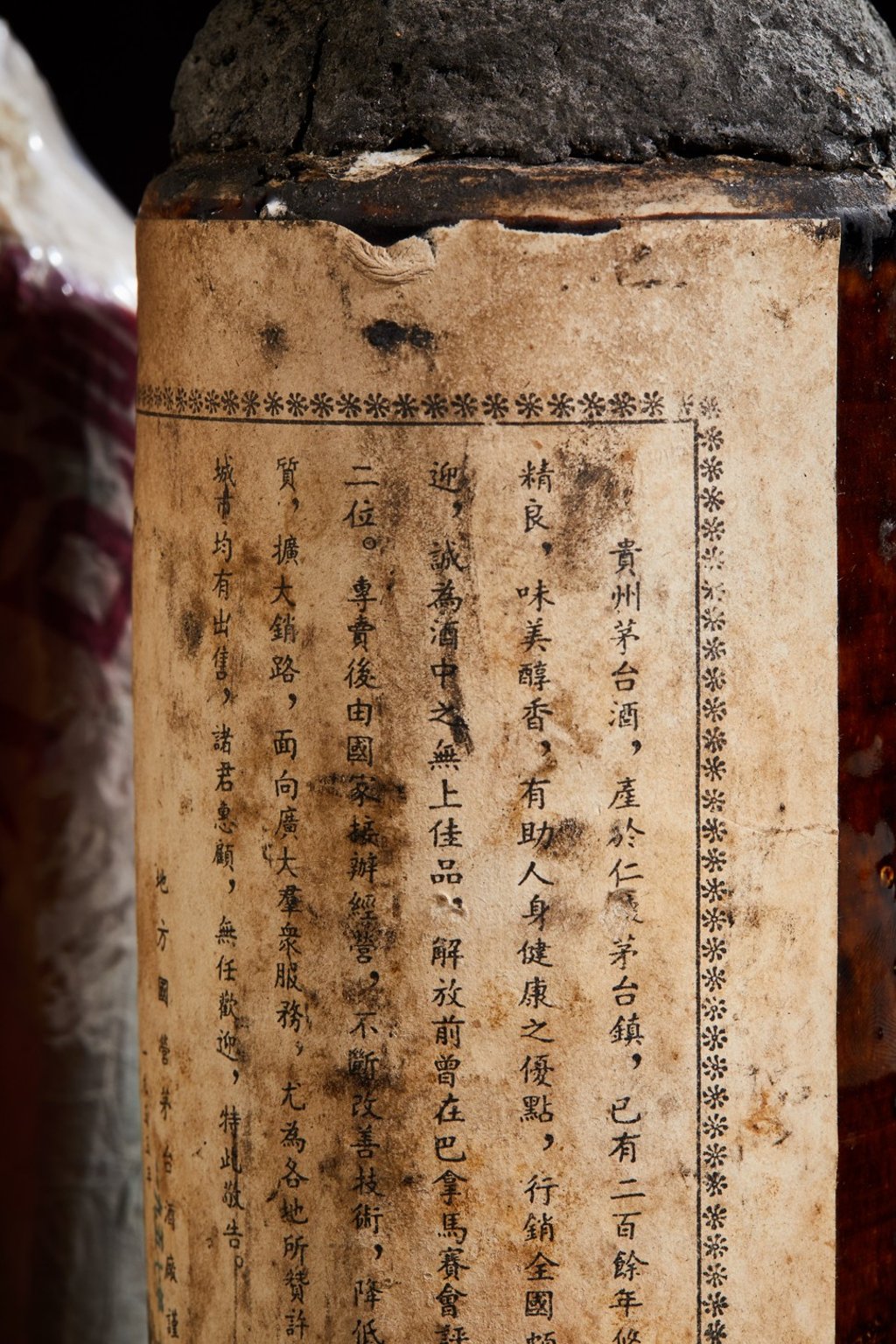
Sauce aroma: Requiring the most complex and labour-intensive fermentation process, it is soft and smooth, mild but not faint, with a lingering finish.