Where are fried beef noodles from? No, it’s not Hong Kong

The dish has been ubiquitous on Hong Kong menus forever, but could it have come to the city from somewhere else?
Walk into any Hong Kong chaan teng (restaurant) and you’ll be able to find it: gon chao ngow hor (乾炒牛河), or fried beef noodles.
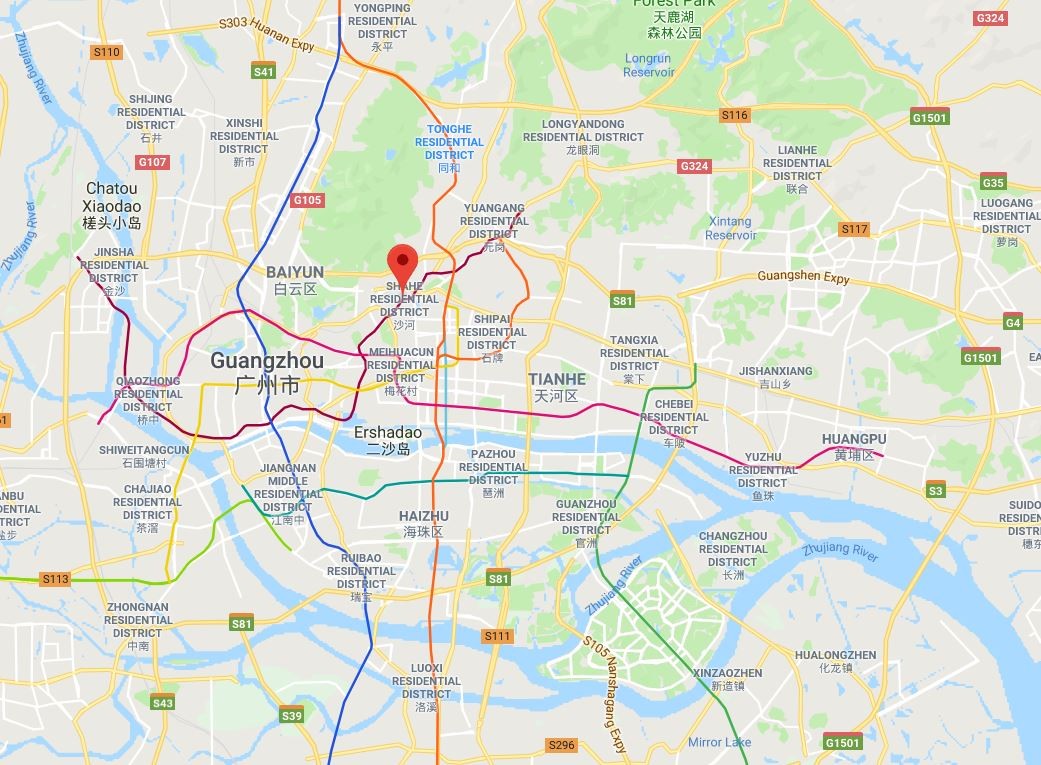
Although ubiquitous on Hong Kong menus, ask anyone in the know about the geographical origins of gong chao ngow hor, and they reference the small town of Shahe, in the Tianhe district in Guangzhou.
“Anecdotal history suggests that its origin is from Guandong province. Shahe county is where ho fun originates from since around the 1860s,” says Jowett Yu, the executive chef at Black Sheep Restaurant Group’s Ho Lee Fook, who also enjoys learning about Hong Kong’s culinary history.
You might also be surprised to learn that the wet version of the fried beef noodles preceded its dry cousin.
Yu adds, “Originally, it’s a ‘wet’ stir-fry with a starch slurry until in the 1930s one restaurant owner ran out of starch slurry one service and made it without. It became really popular and hence the evolution into gon chao ngow hor.”
The story that chef Yu refers to is a story that has been disseminated in local history over decades, although no hard evidence appears to substantiate it.
In a more detailed narrative, the restaurant owner could not run out to get cornflour to make the gravy for the dish because the town was under curfew during the war. The customer – allegedly a Japanese spy – believed that the restaurant owner was insulting him because he thought that the owner somehow knew he was a traitor. The spy became more aggressive and demanded the restaurant owner make the dish.
As they say, “necessity is the mother of invention”. The cook created the dish without the sauce and the Japanese spy enjoyed the chef’s creation better than the original.