‘Precious’ and ‘semi-precious’: are these classifications for coloured stones now obsolete?

Perhaps a new vocabulary is needed for classifying coloured stones, as the traditional ‘hierarchy’ has become confusing and misleading
Should a top-grade tanzanite that is worth more than a diamond be considered a precious or semi-precious stone? And if a 1ct sapphire is the same price as a 5ct opal, which is a better buy? These questions and more on the preciousness or semi-preciousness of a gem have haunted many a prospective buyer, so much so that the American Gem Trade Association has banned the use of the word “semi-precious” when describing gemstones.
Most professional gemmologists no longer classify gems with this term, but it is deeply entrenched in our lingo and still used by trade organisations across the world.
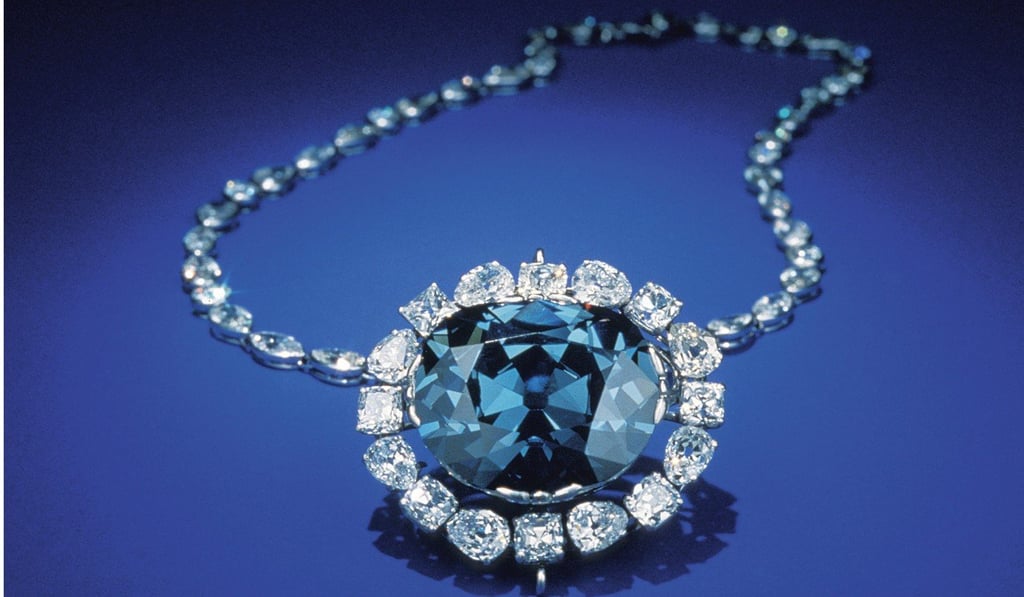
In this age, only diamonds, rubies, sapphires and emeralds are acknowledged as precious stones, with the diamond chief among them and all others classified as semi-precious. The terms “precious” and “semi-precious” first came about in the mid-19th century in the West, which explains why jade, despite being enormously important and valuable in China, was never considered a precious stone. Before this distinction, practically all gems were considered precious.
In fact, the term “semi-precious” was created mainly because of amethyst. The stone was once adored by royals until large deposits were found in South America and its commercial value drastically dropped. A new term was then required to describe its downgraded status. Other gems such as aquamarine, topaz, tiger’s eye and opal have also suffered the same fate.
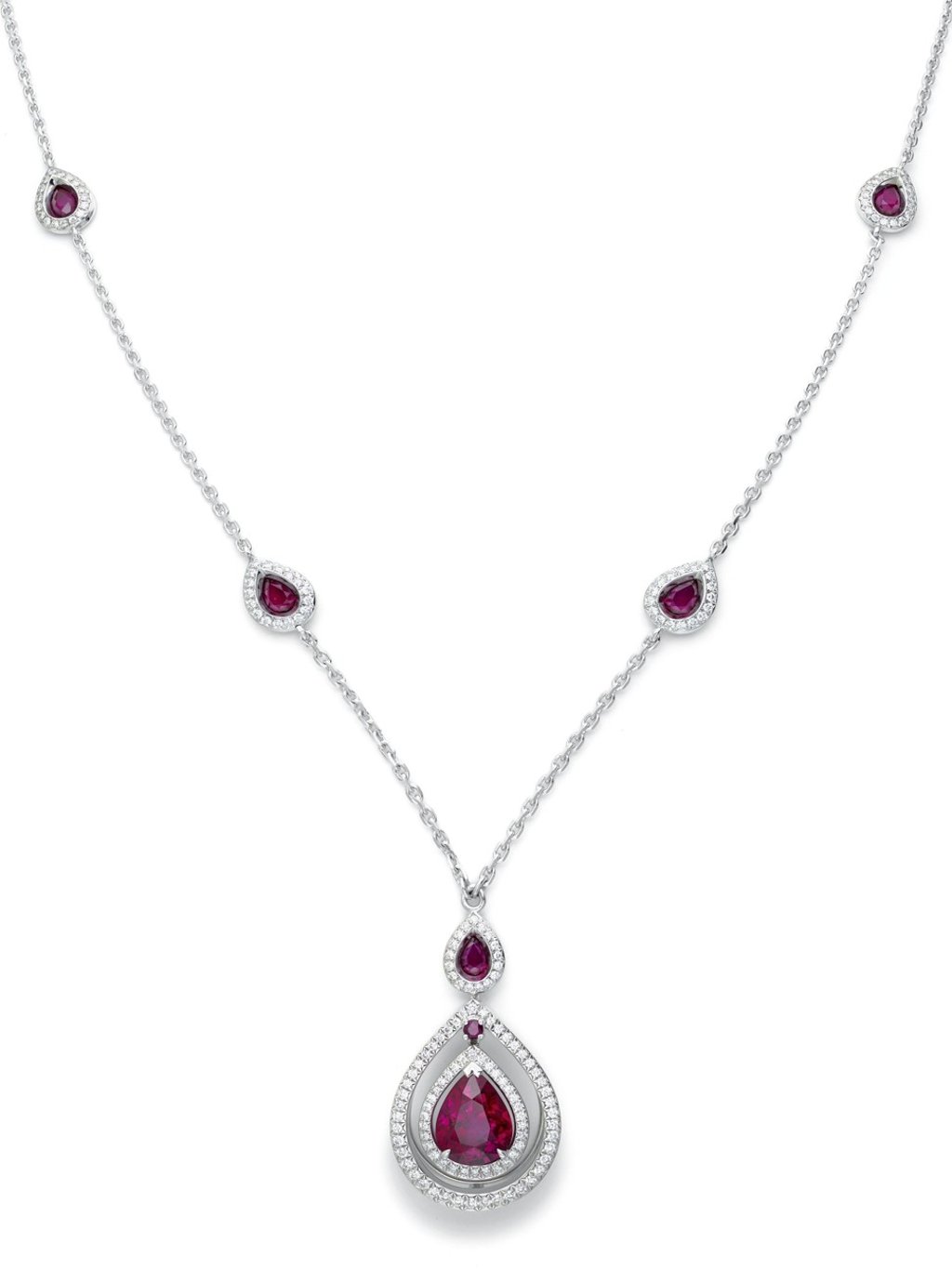
Traditional definitions of preciousness fail to take into account the question of quality – usually based on a stone’s colour and clarity. Experts such as Melvyn Kirtley, chief gemologist at Tiffany & Co, recommend not being influenced by labels like “precious” or “semi-precious”, but instead going for stones that are the best of their kind.
I don’t like to think of a ‘hierarchy’ in gemstones, Mother Nature has given us some unique and unusual treasures in all the various species