Why rubies owe their fame to spinels, the red stone reclaiming its place in the spotlight

The gemstone is finally getting the recognition it rightly deserves
Red is the colour of danger and allure, of mischief and passion. On the catwalk, it is the colour of the season, and in jewellery circles its burning intensity is inspiring adoration. The fiery red of rubies and spinels are the beating heart of the latest high jewellery collections unveiled by the French houses.
Regarded as one of the “big four” in fine jewels, the ruby needs little introduction. The prices at auction are going stratospheric, outperforming diamonds on some occasions, including the October sale at Sotheby’s Hong Kong of a ruby-and-diamond ring. which was sold for HK$81.9 million. By comparison, the red spinel is a little known, but equally seductive red gemstone that by rights should share the limelight with the ruby.
In 2015, the Hope Spinel gemstone was sold for a world-record price of US$1.55 million at a Bonhams auction. Admittedly, it possessed a fabulous provenance.
Historically, spinels were revered more than diamonds and rubies because of their lustre, durability and hardness. According to leading gemmologist Joanna Hardy, the author of the book Ruby, ‘recently published by Thames & Hudson and commissioned by Gemfields, rubies owe their initial fame to the spinel. “If it were not for this fabulous gem, rubies might not have enjoyed their later worldwide recognition.”
Many of the world’s most famous “rubies” are, in fact, spinels. The magnificent red gemstones that are the showpieces of several European state crowns are actually spinels. Detrimentally to spinels, that information has never been corrected.
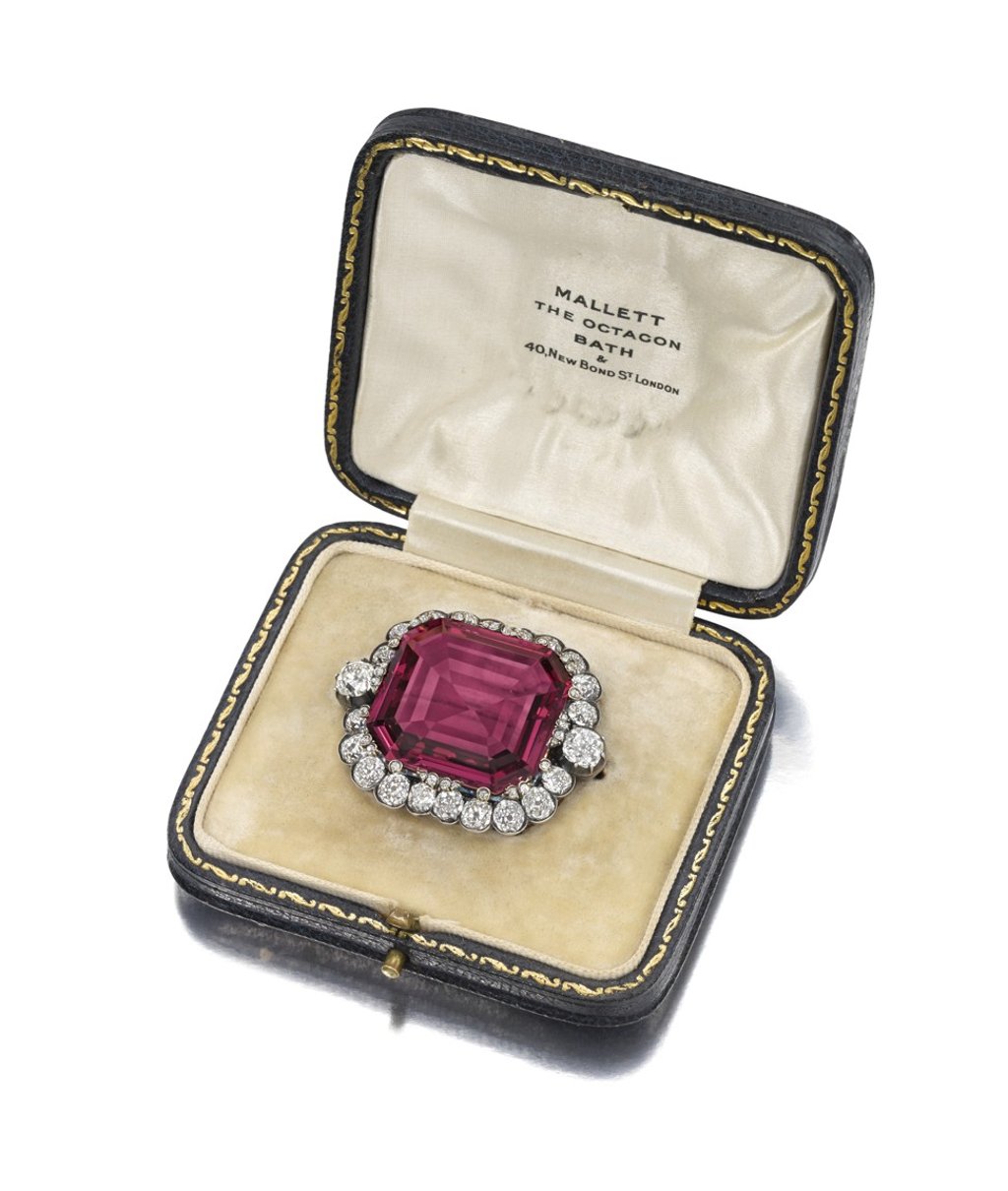
The mistake was easy to make because rubies and spinels were often found side by side in mines in Myanmar, Tanzania, Sri Lanka, Vietnam and Madagascar and share a similar appearance. The Mughals understood the difference because the spinel was their most prized imperial treasure, admired for its red colour which symbolised both wine and the sun. However, it was only in the 19th century that advances in chemistry and mineralogy meant the two gems could be scientifically identified.