How much should origin matter to buyers of coloured stones?

Buyers are getting more discerning about where a stone comes from, but is it worth the hype?
Imagine two big beautiful sapphires, alike in colour, clarity and size – but one has a note that says it comes from Madagascar; the other, from Kashmir.
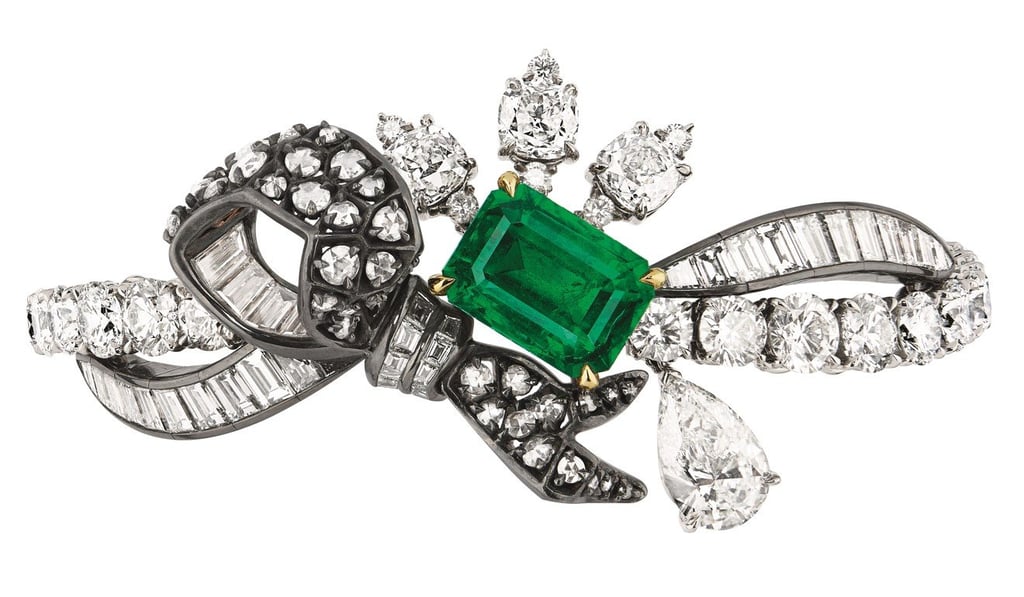
The attention to origin is due in part to the way the gems are named – not just an emerald ring, but a Columbian emerald ring – and increased buyer sophistication.
Buyers aren’t just looking at the 4Cs of cut, clarity, colour and carat, but noticing that the most desirable gems in the marketplace don’t just seem to score highly on all these fronts, they also usually come from certain locations. Those names have become synonymous with quality, history and prestige.
Sapphires from Indian-administered Kashmir are the most highly prized for their perfect velvety blue hue. Among emeralds, those of the purest green are traditionally found in Colombia and display a transparency like honey, known as the gota de aceite (drop of oil) effect.
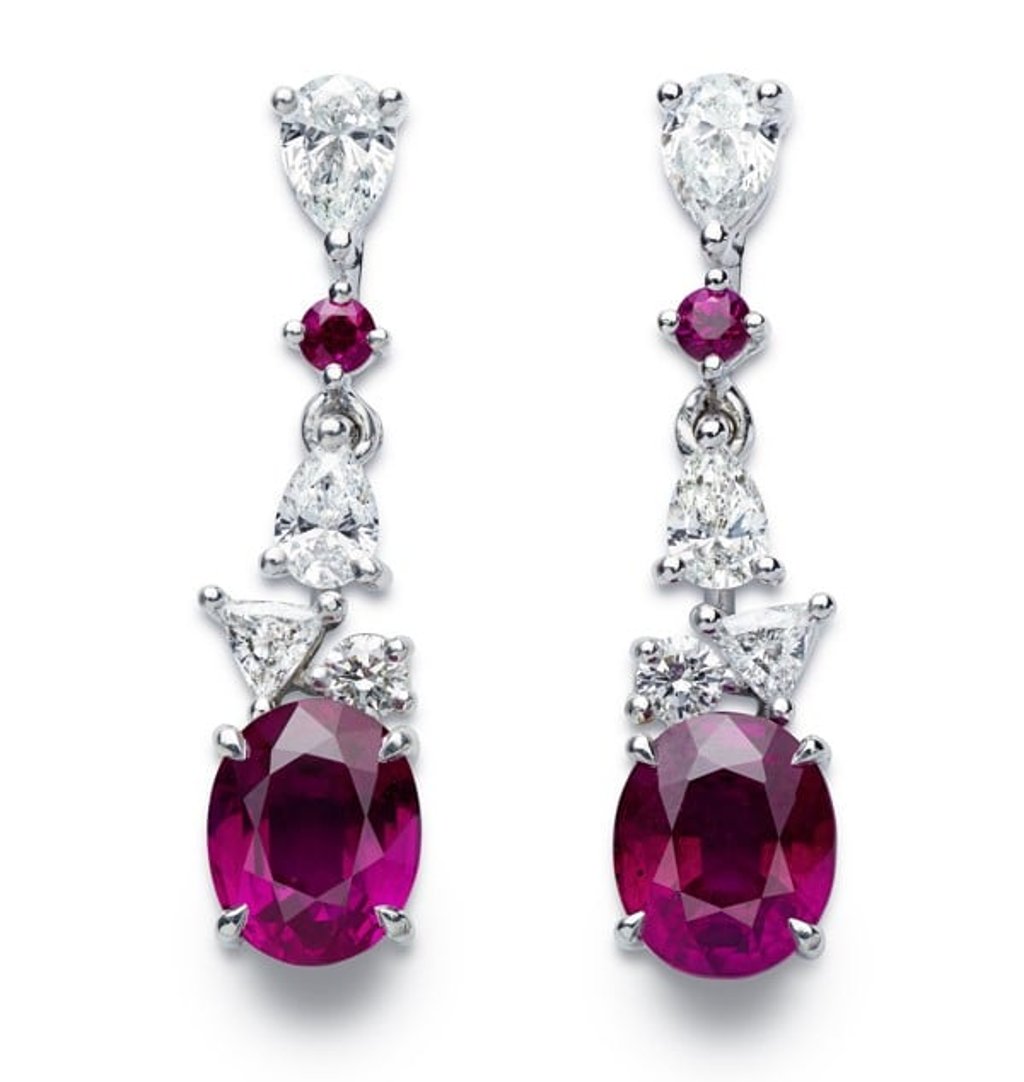
In the world of rubies, Burmese rubies from the region of Mogok are bestowed the name pigeon’s blood, and are considered the gold standard.
“The main relationship between origin and value today is one of rarity and history: those origins which famously provided fabulous quality gemstones historically and which today we know are rarely if not producing at all have a premium on desirability,” says Helen Molesworth, managing director of Gübelin Academy. The Kashmir and Mogok mines are largely depleted and production has slowed to a trickle, while Colombian emerald production is plagued by chronic underinvestment, although that is set to change in the coming years with the influx of foreign investment.
People like to know where what they are buying comes from