How Tiffany, Chopard and Boucheron are adding an ethical shine to their gemstones

Jewellers are tackling the environmental and social damage caused by mining precious materials
Beautiful gems have an irresistible allure, but how much thought do we give to the damage generated during the mining of these precious stones and the gold in which they are set? A pledge by Chopard this year has thrown the spotlight on how the jewellery world is tackling the dirty issues of environmental damage and social responsibility in the sourcing of gems.
Sustainability is a core value of the Chopard business, and in March co-president Caroline Scheufele announced that the brand would be using 100 per cent ethical gold in all of its jewellery and watches by July. It is the first major player in the industry to make such a commitment as part of the “Journey to Sustainable Luxury” programme it introduced in 2013. Tiffany, Forevermark and Boucheron have also taken an increasingly ethical approach to the sourcing of precious materials.
Chopard’s undertaking began at a chance meeting with eco-campaigner Livia Firth at the Oscars in 2012. “She told me about Eco-Age [the sustainability consultancy Firth founded], then she asked me where our gold comes from,” recalls Scheufele. “Well, from the bank, of course, I replied.” The question prompted Scheufele to investigate. Gold is more scarce than diamonds, and the bullion originates from a supply chain plagued with environmental and humanitarian issues. This knowledge set Scheufele on a mission.
“We are a luxury industry and luxury should be transparent throughout its supply chain,” she says. Every ounce of gold Chopard now uses is either recycled or traceable through Fairmined and Fairtrade sources in Colombia. Scheufele says: “Miners are well paid, and no damaging chemicals are dumped in the rivers.”
As Chopard expands its commitment, more mines have become sustainable, each vetted by Firth’s consultancy. This initiative has earned great exposure, says one Chopard insider, and clients are becoming more sensitive to “green luxury”.
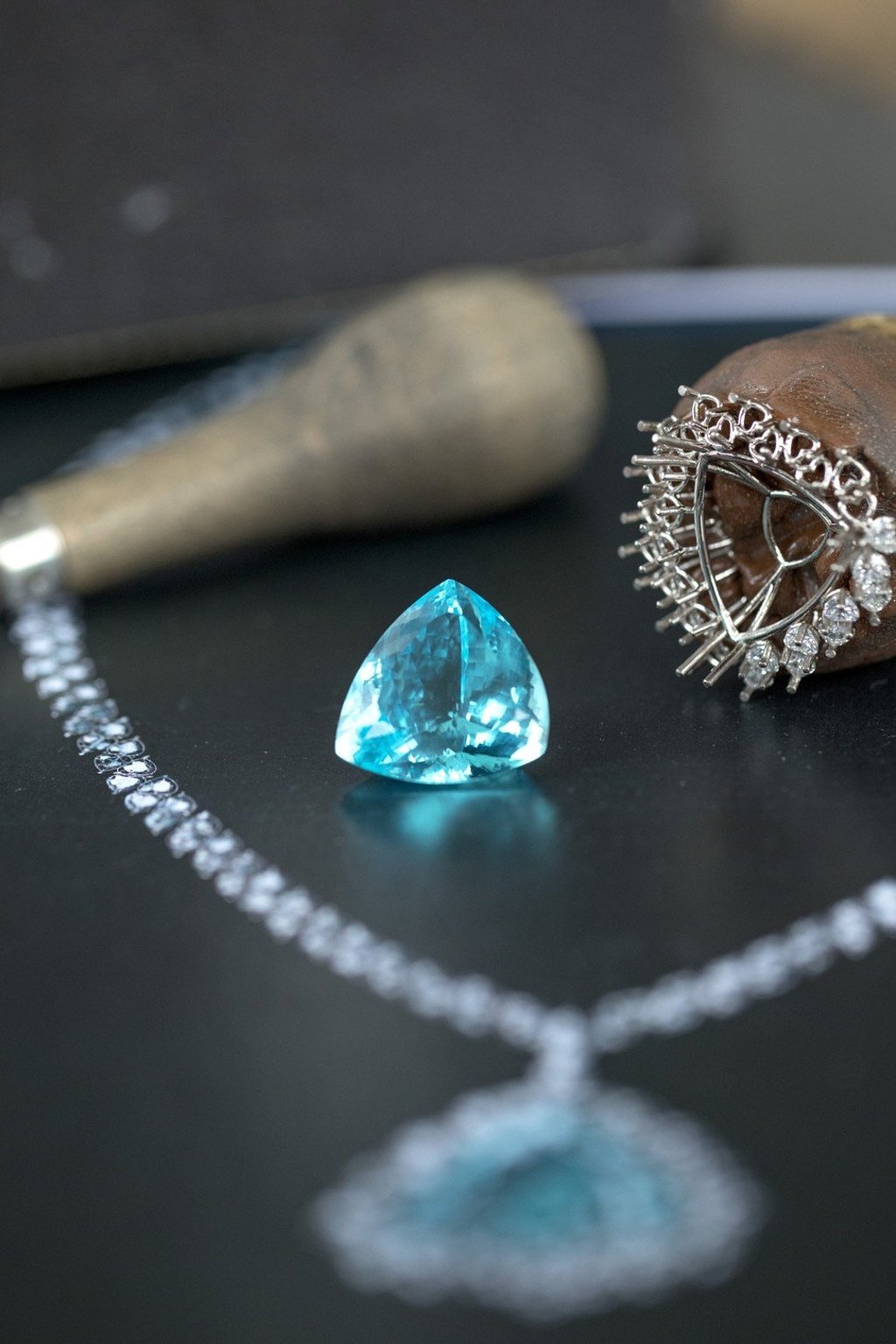
Actresses have also become involved. Chopard ambassador and campaigner Julianne Moore wore an ethically-sourced Paraiba tourmaline from its Green Carpet collection at Cannes this year, obtained from a mine in Mozambique, and fellow environmental activist Penélope Cruz was resplendent in lab-grown diamond and ruby jewellery. It was from a collection she helped create for Swarovski Atelier that uses lab-grown gems and ethically sourced topaz, set in Fairtrade gold. Lab-grown gems are part of Swarovski’s investment in what Nadja Swarovski calls “conscious luxury”, a concept that has a growing appeal with millennials who question where their jewellery comes from.
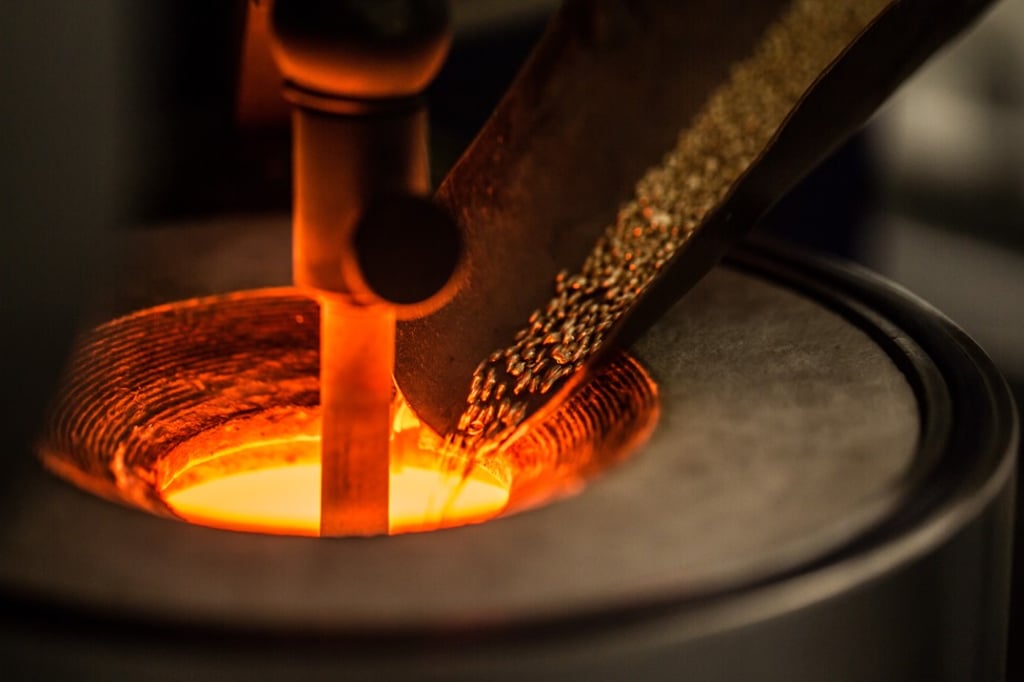
gold sourced this way by 2020. Some of its gems are similarly supplied from ethical sources such as Gemfields’ Zambian emeralds and Mozambique rubies.
Consumers are investing in brands that not only have authentic messages but that have a purpose that consumers identify with