How the place of origin can seriously ramp up a gemstone’s value

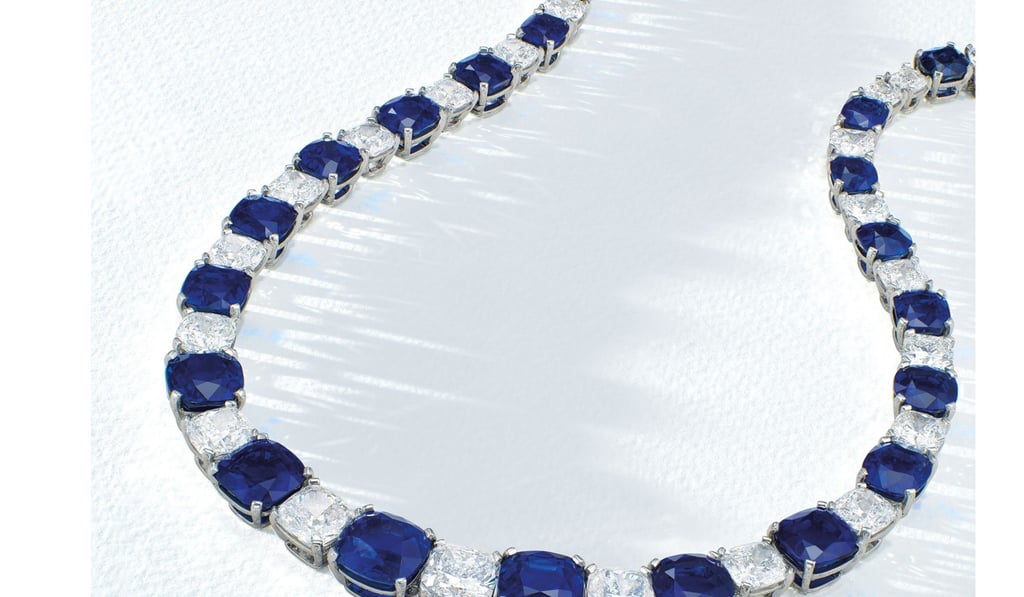
Kashmir sapphires and Colombian emeralds, for example, always carry a sizeable premium
Beside their iconic design, some jewellery pieces are highly valued because of the exceptional gemstones used. Known to some connoisseurs as the “King of Sapphires”, padparadscha sapphires over two carats and in hues ranging from salmon pink to pinkish orange are highly sought after.
“We hold the world record for the highest price per carat for a padparadscha sapphire,” says Yvonne Chu, acting head of department, jewellery, at Sotheby’s Asia. Chu refers to a cushion-cut, 8.01-carat padparadscha sapphire set in a ring with diamonds that was sold for HK$6.1 million or US$777,342 (lower estimate: HK$3.8 million or US$484,246) at the house’s Hong Kong auction last year.
Just as coveted is the Burmese “Pigeon Blood” ruby from the fabled Mogok mine. In May 2017, Sotheby’s Hong Kong sold a ring with a 24.70-ct, cushion-shaped ruby – certified to be from Mogok – surrounded by diamonds, for HK$86.39 million (lower estimate: HK$82 million).
Ultraexpensive gemstones are usually tested and certified by at least two reputable gemmological labs. This is essential for the authentication of the gemstone’s place of origin. According to Jeff Chan, associate vice-president and specialist, jewellery, Christie’s Hong Kong, with the absence of a universally recognised grading standard for coloured gemstones, certifying coloured gemstones can sometimes be subjective. For example, gemmologists may authenticate a particular gemstone’s place of origin based on their own experiences and their labs’ database.
Want more stories like this? Sign up here. Follow STYLE on Facebook, Instagram and Twitter