How to buy an emerald at auction – and what you need to look out for

- The biggest question is whether the emerald has been treated to enhance clarity and minimise inclusion
Beautiful and increasingly on the radar of collectors, a good emerald is just as rare, and arguably more difficult to come by, as diamonds. One among the big three precious gems – the other two being sapphire and ruby – the emerald requires more knowledge when buying one than simply understanding the four Cs when purchasing a diamond.
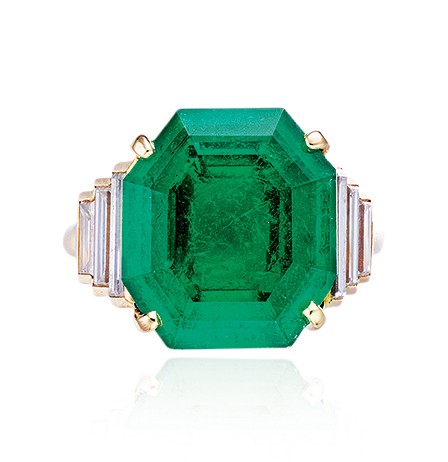
Colour, clarity, origin and fire all play into the pricing of the green gem. But the greatest determining factor of emerald prices is whether they’ve been treated to enhance their clarity and minimise their inclusion.
Since these gems are finding their way into auctions in greater numbers, we visited Poly Auction Hong Kong’s showroom to look at emeralds that recently went under the hammer and spoke with Sze Sze, who is an in-house jewellery specialist and the head of department for jewels and prestige collections.
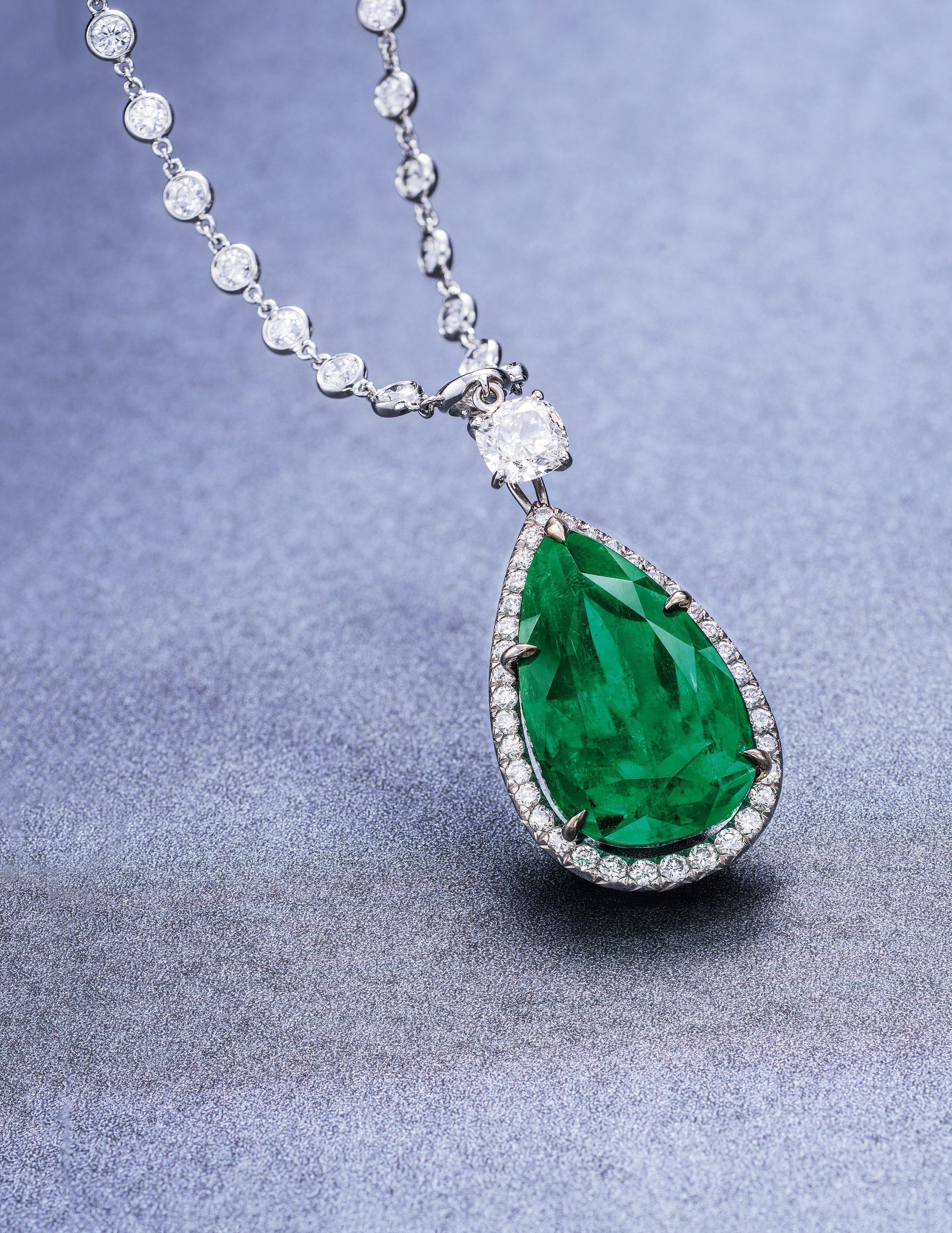
In this video, Sze shows us how to tell if an emerald has been oil-treated to minimise their inclusion as well as what to pay attention to when bidding for these green baubles at auction. The oil treatment to enhance clarity within the beryl will significantly impact the price of the stone.
Sze says it is vital to request several lab reports. “When buying emeralds, the gems should have at least two lab reports from credible laboratories, which will provide information on origin and whether a gem has been enhanced,” she said.
Once that is done, her advice is to view the stone. “It’s always important to look at a gem, because the report will not tell you how fiery or how much sparkle a gem has.”