5 things you should know when collecting vintage watches

Look for timepieces with fewer modifications and not too much luminescence. Check the edges, lines and details, and know the history of the watches
1. Keep it simple
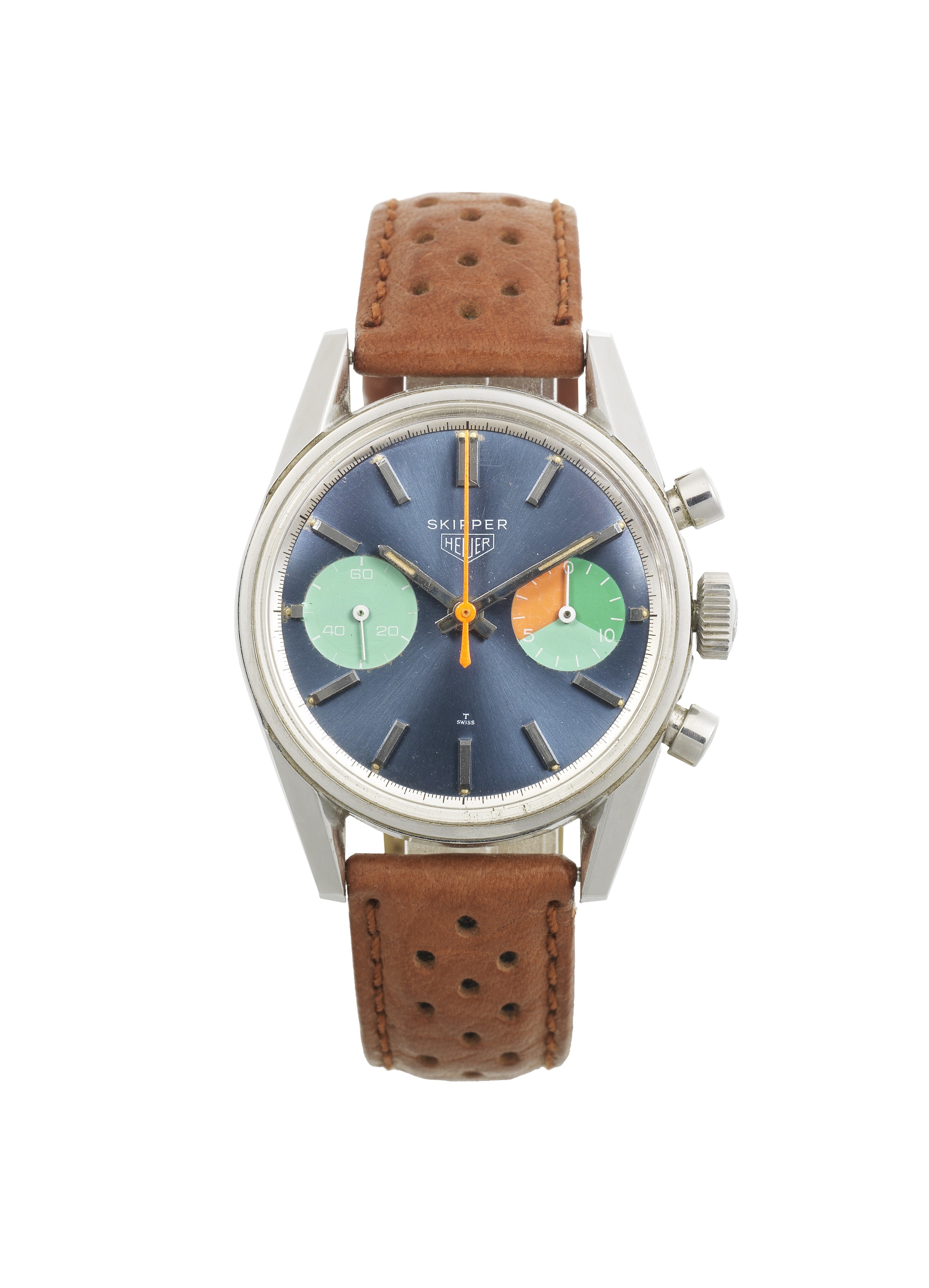
This may seem obvious to watch veterans, but it’s an important note for beginner collectors nonetheless: the rule of thumb with vintage timepieces is that the fewer modifications the better. “The more authentic the watch is to its time period, the more valuable it will be today,” says Jonathan Darracott, Bonhams’ global head of watches. So if the watch has had new pushers added, or a crown design that simply didn’t exist during that particular decade, proceed with caution.
2. Let there be light

UV light, that is. When watches get reserviced, luminescence is added to the dials so they continue to be visible in dark settings. Take the timepiece in question into a dark room and shine a UV light on it. A vintage watch that has been kept as pristine and untouched as possible will have naturally faded luminescence; if the dial is glowing brighter than it should for its age, it’s a fair indication that the watch has been reserviced over the years, and therefore not worth as much.
3. Look sharp
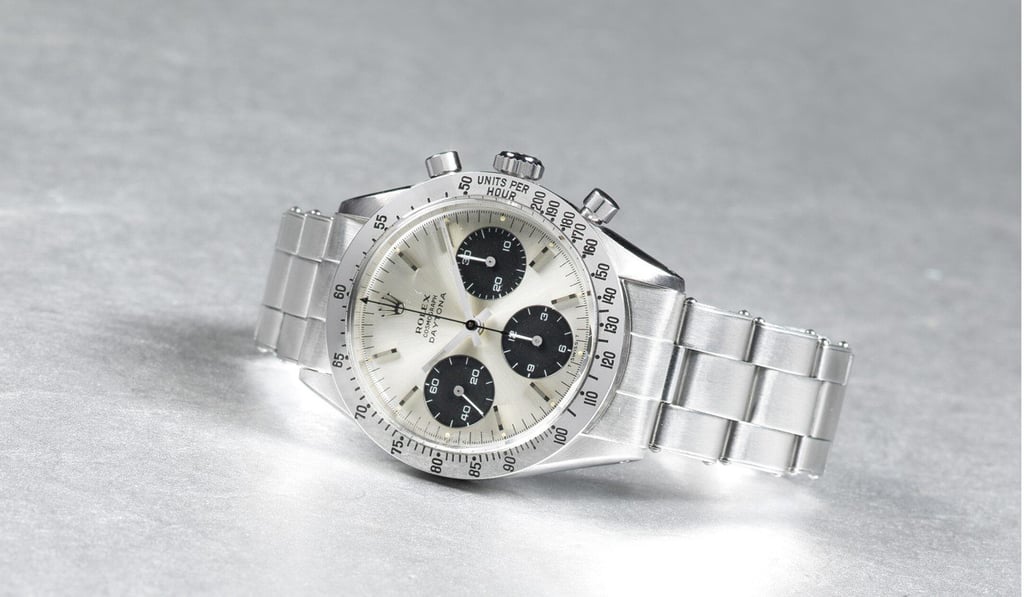
Similarly, watches that have been reserviced multiple times over the years will have rounder edges from frequent polishing. Hold the case up to the light and check the edges and lines – if they appear soft, blurred and rounded, the value of the timepiece decreases.