Queen Victoria’s pocket watch, the world’s first perpetual calendar movement... Why the Patek Philippe Museum curator has the best job in the world

The Patek Philippe Museum’s collection houses 1,250 pieces, including Queen Victoria’s pocket watch, and its curator has been given carte blanche at auctions to buy more
Peter Friess, art historian and Patek Philippe Museum curator, might have one of the best jobs in the world. Curating and collecting on behalf of the Stern family (Patek Philippe owners) for the past six years, Friess revealed early during the Patek Philippe Watch Art Grand Exhibition in Singapore he has been given free rein and an unlimited budget to acquire new timepieces at auction or from private collectors.
“It’s very hard to have a budget when you acquire, [because] it depends always on who else is in the room at an auction and their budget. It makes no sense to have a budget; if you want it and if you can afford it, then you get it. If not, then you have to stop [bidding]. So it’s case by case,” he explains.
The Patek Philippe Museum’s collection has been built by the Stern family more than 40 years, while the museum itself opened its doors in 2001. The space houses a collection of 1,250 pieces, plus an archive of Patek watches. “We would consider it to be the largest collection of portable timepieces in the world. We have over 1,250 pieces in the antique collection and a little more in the Patek Philippe collection.”
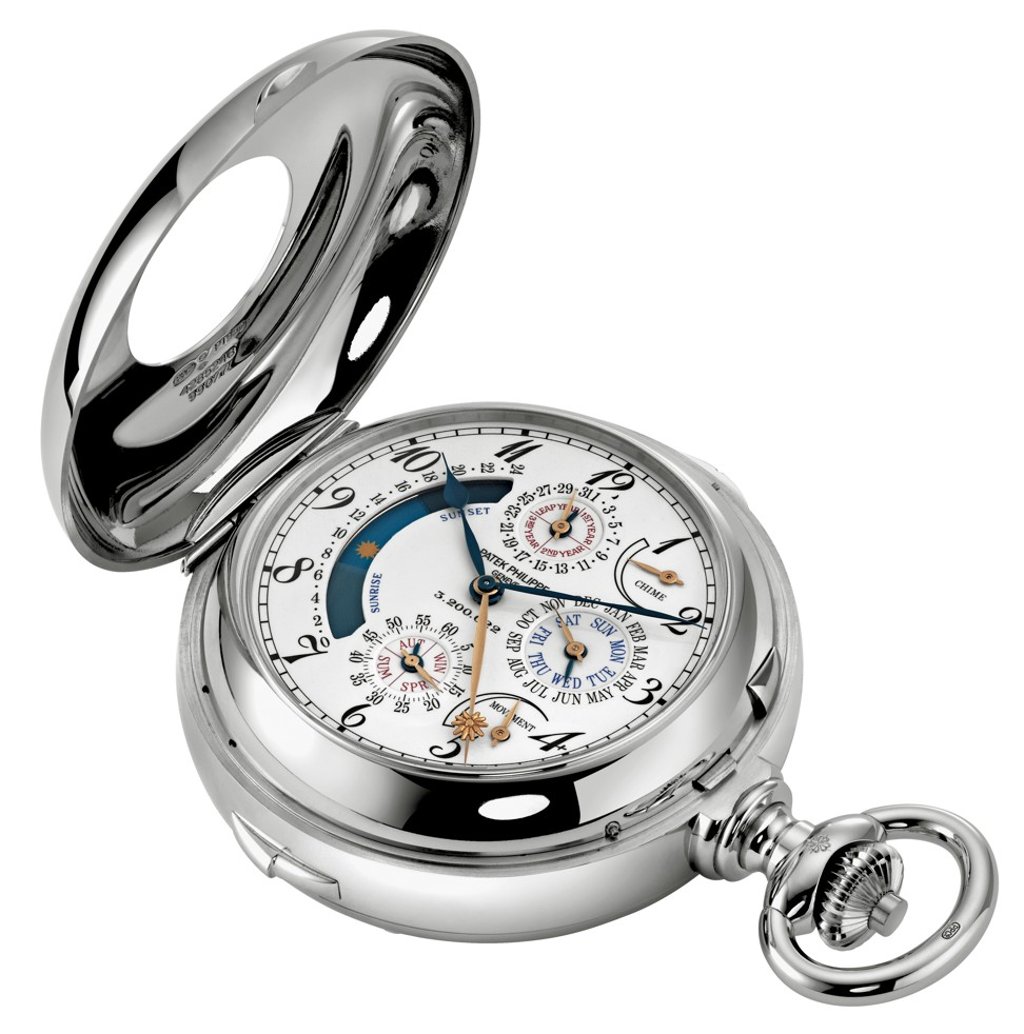
Some of the fascinating pieces that made their way from the museum in Geneva to the Singapore exhibition in September included the world’s oldest wristwatch, as well as a pocket watch presented to Queen Victoria at the 1851 Great Exhibition in London.
“We also have the first perpetual calendar movement that was created in the late 1980s. [Patek Philippe] was the first in the world to build a perpetual calendar in a watch.”
Some of the museum’s pieces are not only precious, but sit at the centre of a long-lived debate. “We have the first so-called wristwatch from the late 19th century. It is the earliest surviving wristwatch in the world. It’s very precious. You can have many discussions [about who made the first wristwatch] but the bottom line is, which pieces have survived? You cannot declare a piece to be the first if it doesn’t exist any more.”
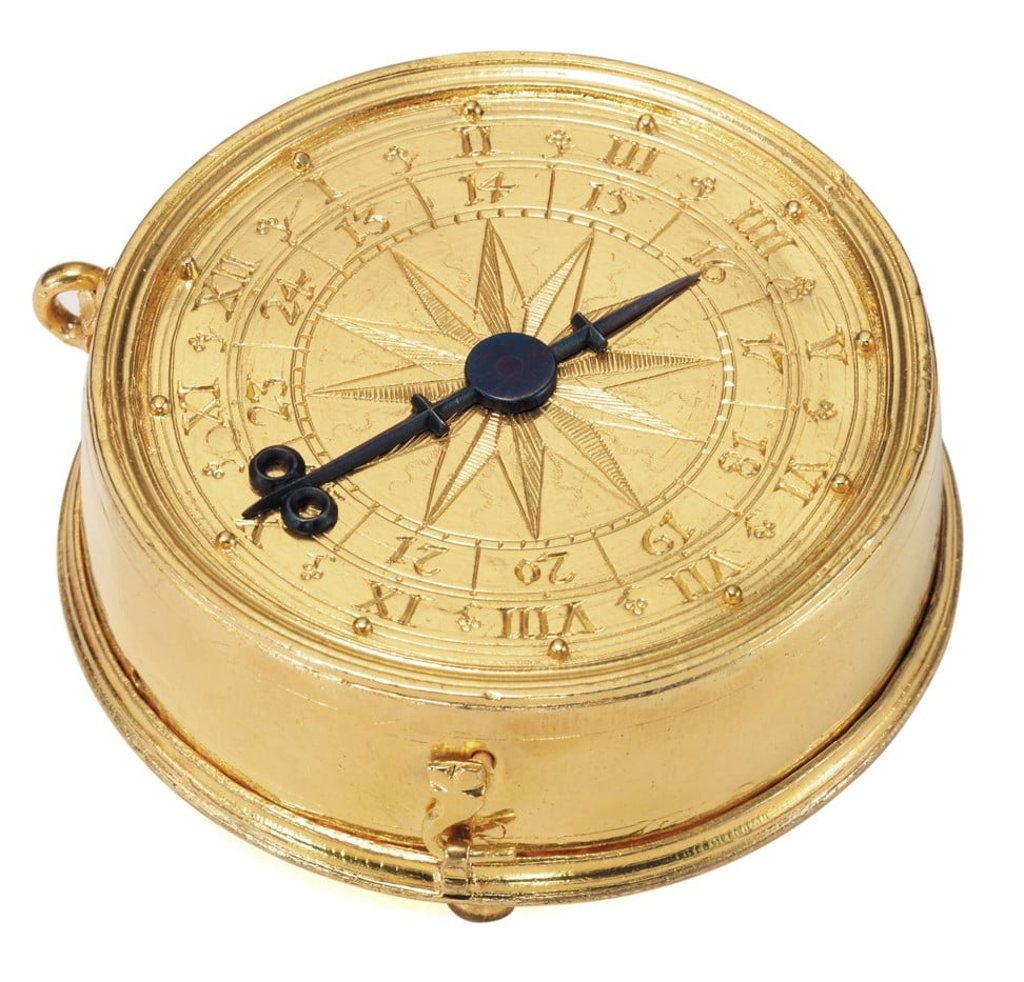
The piece in question is a bejewelled gold ladies’ timepiece with a round dial hidden in a rectangular case. It was a first for Patek, and perhaps the world.
But neither the museum nor the work that Friess does is about having the first or the best. The idea, Friess says, is to build an archive reflecting the history of the industry.