David Beckham and Johnny Depp are digging deep in their pockets to find the time, as old school pocket watches make an unlikely comeback

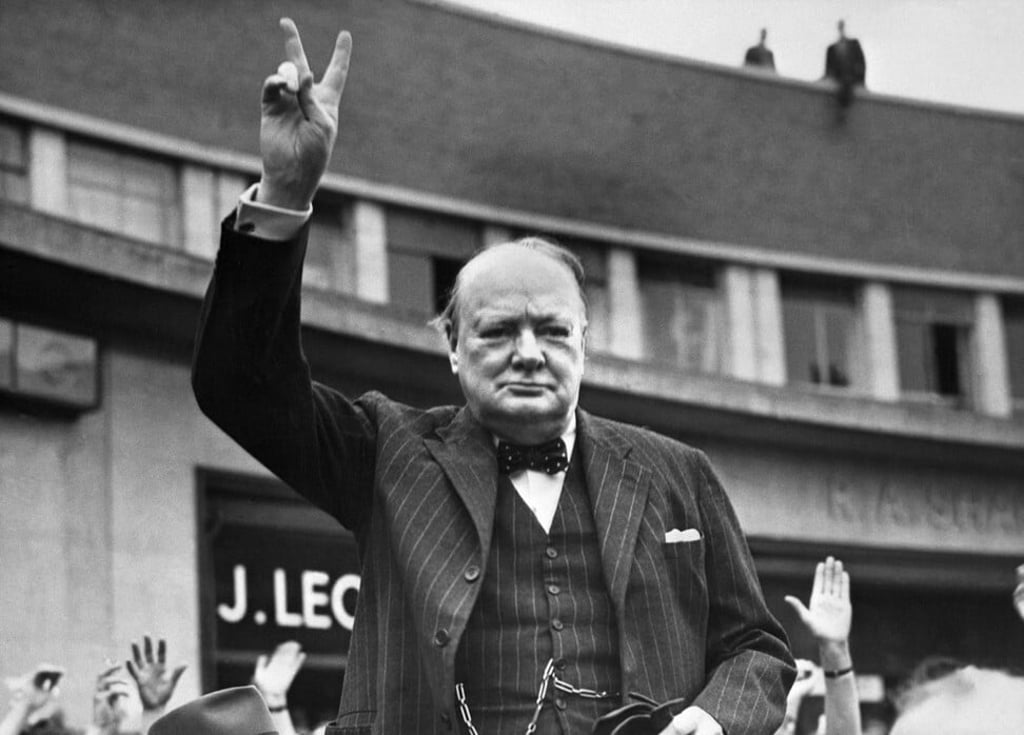
Winston Churchill’s Victory pocket watch sold for more than US$600,000, as growing demand for traditional timepieces suggests that the key to its future can be found in the past
The art of timekeeping is evolving. Clocks are self-winding. Smartwatches are strapped around millions of wrists across the world and the complications on a contemporary watch have become appreciably grander. Although the timepiece industry is moving forward, one device is turning back the hands of time – the pocket watch.

Once an elegant necessity for royals and upper-class men, the item contributed to the style of historic greats like Winston Churchill. Today, many Hollywood stars, led by the quintessential fashion icon Johnny Depp, are devoted patrons of the pocket watch.
Often a heirloom piece passed down through generations, the pocket watch is again becoming a hot item on the timepiece market, especially in East Asia.
How has this beloved timepiece claimed the attention of horologists once more? Chinese buyers, in particular, are most bewitched, and this is rooted in a history filled with fascination.
“The Chinese market has always been fascinated by time, along with a curiosity and love of items that have scholarship, resulting in the clamour for pocket watches,” says Daryn Schnipper, chairman of Sotheby’s international watch division. She cites an exhibition of large Qing-dynasty SingSong clocks that are on display at the Palace Museum in Beijing’s Forbidden City as testament to this fascination. Last year’s opening of the Gallery of Clocks in the same museum showcases the interest in clocks.
“There is strong interest in pieces with wonderfully done enamel, diamonds, pearls and automations – movements so that you can tell right away a timepiece is more than just a watch,” he adds.
The forefather of wearable tech, pocket watches were conceived in the 16th century, as one of the first timekeeping devices that could be owned by the public. Their predecessors were first worn as necklaces because of their size, before they were kept in pockets.
The following century saw cases slim down and in the 18th century they were adorned by precious gems and jewels, which added to the price. Pocket watches were more common by the 19th century, as timekeeping became more important for trade and commerce. There have been watchmakers that share an affinity with the craft of pocket watches.