Hang Seng continues to back Hong Kong’s business community with new funding initiatives
Bank offers city’s small and medium-sized enterprises finance, innovation and sustainability to help them seize cross-boundary opportunities

Despite a steady improvement in the Hong Kong economy, challenges remain for the city’s businesses, including shifting local consumer and tourist spending patterns, and rising operational costs such as the ban on single-use plastics.
“These are examples of the types of challenges businesses have to face,” Regina Lee, head of commercial banking at Hang Seng Bank, says. “They need to transition and explore new ways to grow. All these efforts require funding and cash flow, and that’s where we can help.”
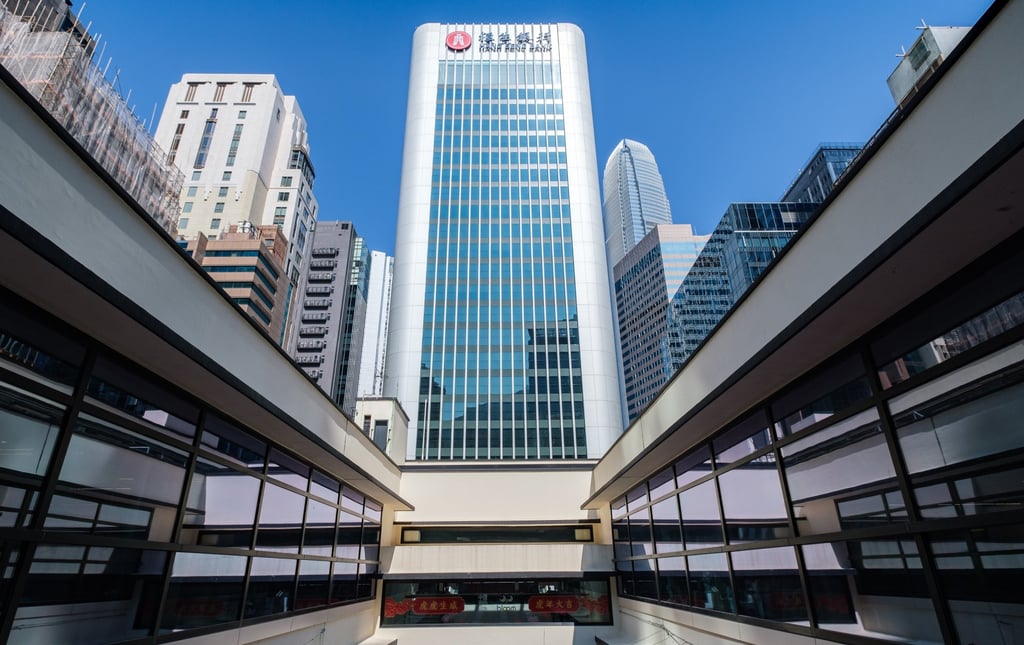
Hong Kong’s SMEs account for 98 per cent of all firms in the city. They are a driving force in an era of change and innovation, fostering entrepreneurial ideas and adapting to consumer trends and new technology.
Hang Seng Bank recognises the importance of SMEs and the role they play in contributing to the economy of Hong Kong.
“Nearly a quarter of Hong Kong’s SMEs are our customers, and more than half of them have been banking with us for more than 10 years,” Lee says. “Over 60 per cent of the new company accounts we set up last year were with start-ups. We continue to engage with them to understand and assist with any challenges they face.”
In March this year, Hang Seng Bank launched a HK$33 billion (US$4.2 billion) SME Power Up Fund to provide diversified loans tailored to meet the financing needs of individual SMEs more efficiently, with focuses on four main pillars: business financing, innovation, Southern China’s Greater Bay Area (GBA) connectivity, and sustainability.
Since then Hang Seng Bank has approved over 1,000 loan applications, providing crucial support to the Hong Kong SME community’s financing needs.
“As the largest domestic bank in Hong Kong, Hang Seng is committed to supporting business communities through different economic cycles,” Lee says.
With a simplified loan application process, which includes digital ID verification and electronic signatures, some loans can be approved in principle in only 10 seconds.
For selected existing Hang Seng commercial banking customers, there is also the option of a preapproved SME Business Loan without the need for collateral or financial statements, allowing disbursements in as few as five days.
The Hong Kong Monetary Authority has announced nine measures to support SMEs in Hong Kong, and Hang Seng Bank is closely aligned with the city’s financial regulator in providing much-needed support to local corporations.
“We not only support SMEs in their growth agenda, but also proactively reach out to customers to help them overcome challenges,” Lee says.
This year, the bank has already contacted more than 100 business associations to share its commitment to supporting SMEs. Additionally, a dedicated hotline has been set up to facilitate SME inquiries regarding financing.
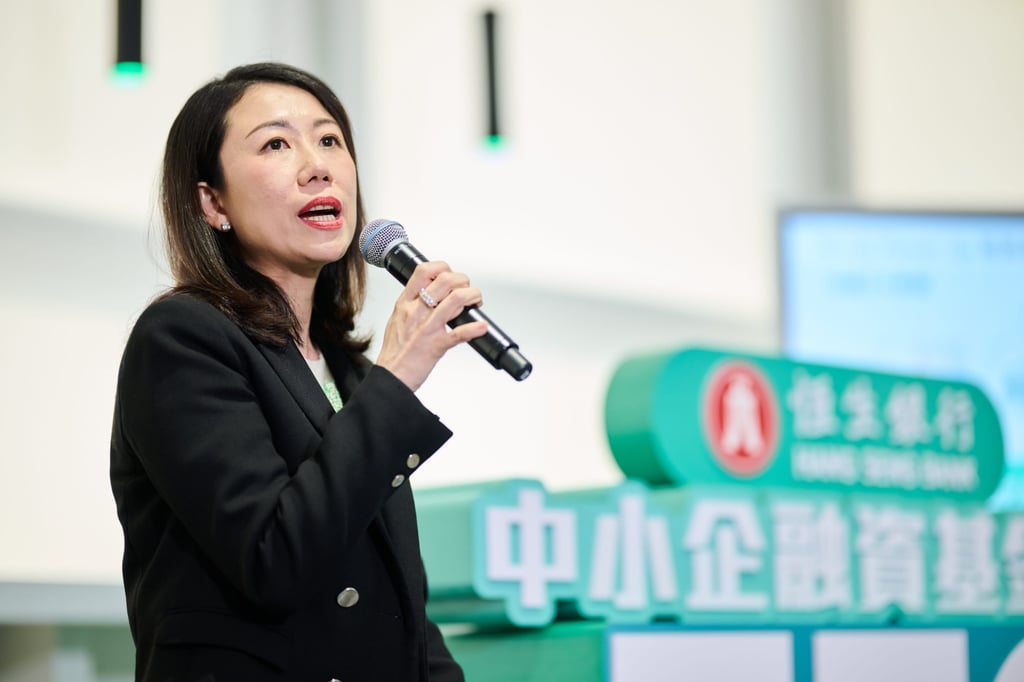
A separate HK$80 billion Sustainability Power Up Fund was announced in June to support enterprises in transitioning to sustainable practices. Apart from this initiative focusing on capital financing, a range of training programmes and exchanges are also in place to facilitate green assessment and support knowledge advocacy.
“Sustainable development has become a major trend, and companies face increasingly stringent ESG [environmental, social and corporate governance] requirements,” Lee says. “Our goal is to help companies move towards a low-carbon economy, and promote the development of green and sustainable finance in Hong Kong.”
Indeed, business leaders from different sectors point out how their long-term partnerships with Hang Seng have helped to spur the growth of their businesses.
JoJo Chan, executive director of Tai Hing Catering Group, a multi-brand casual dining restaurant operator, whose turnover and growth depend on finding new locations in the right places, highlights the importance of securing loans without burdensome conditions, aiding in expansion and cash flow management.
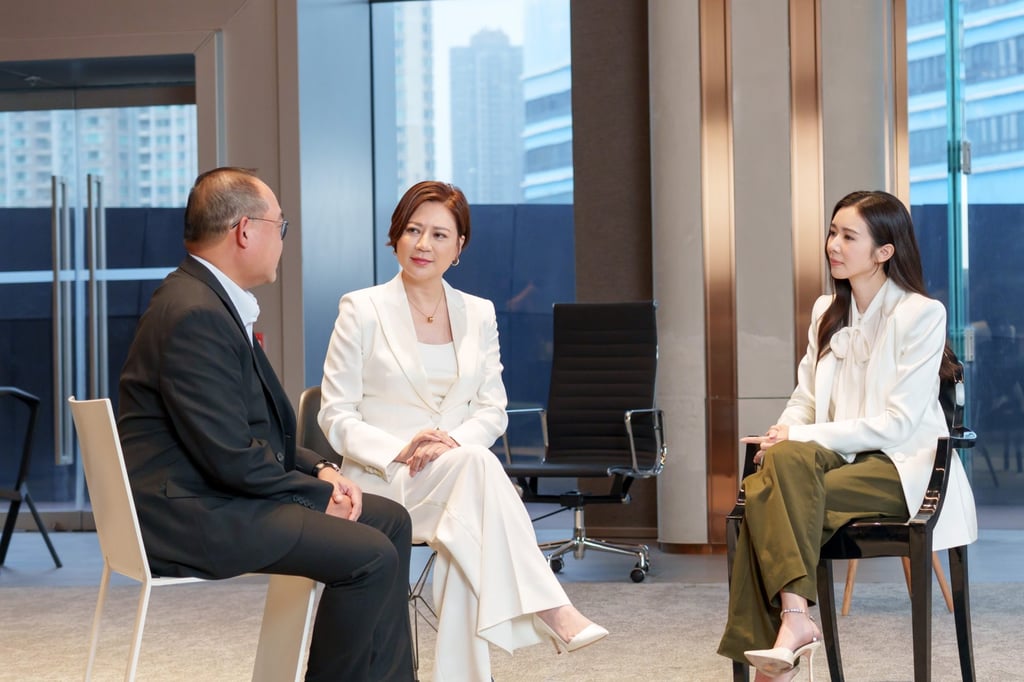
At times, expansion and expenses for rent put pressure on cash flow, and a comprehensive loan package with bank guarantees to secure new retail locations can be helpful, she says.
“Hang Seng’s host-to-host solution streamlines our supplier payments, so we can focus on doing what we do best,” Chan says.
For William Yeung, co-founder of MediConCen, a start-up aiming to disrupt the insurance industry with advances powered by artificial intelligence (AI) and blockchain, it is a big plus to work with a banking partner so attuned to technology and digital payments.
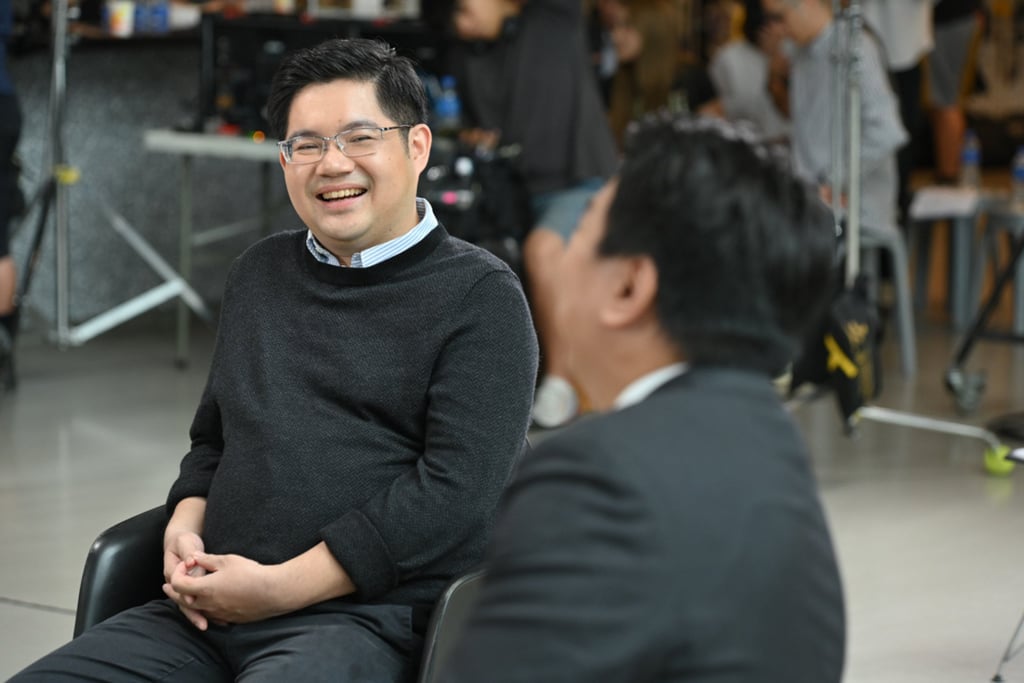
“We have integrated Hang Seng’s API [application programming interface] solution with AI to automate traditional insurance claims processing and make it quicker and more accessible,” Yeung says.
With an eye on the growth potential of the GBA, fast and efficient cross-border banking services are a top priority for Jimmy Tang, group chairman and CEO of luxury retailer Prince Jewellery & Watch.

“As we expand in the GBA, we need a quality partner like Hang Seng Bank,” Tang says, noting that easy connectivity allows remote account opening, seamless management of day-to-day banking needs, and convenience for customers with QR (matrix bar code) solutions and cashless transactions. “With good timing and the bank’s network, we were able to start our subsidiary, Justgold, in Guangzhou.”
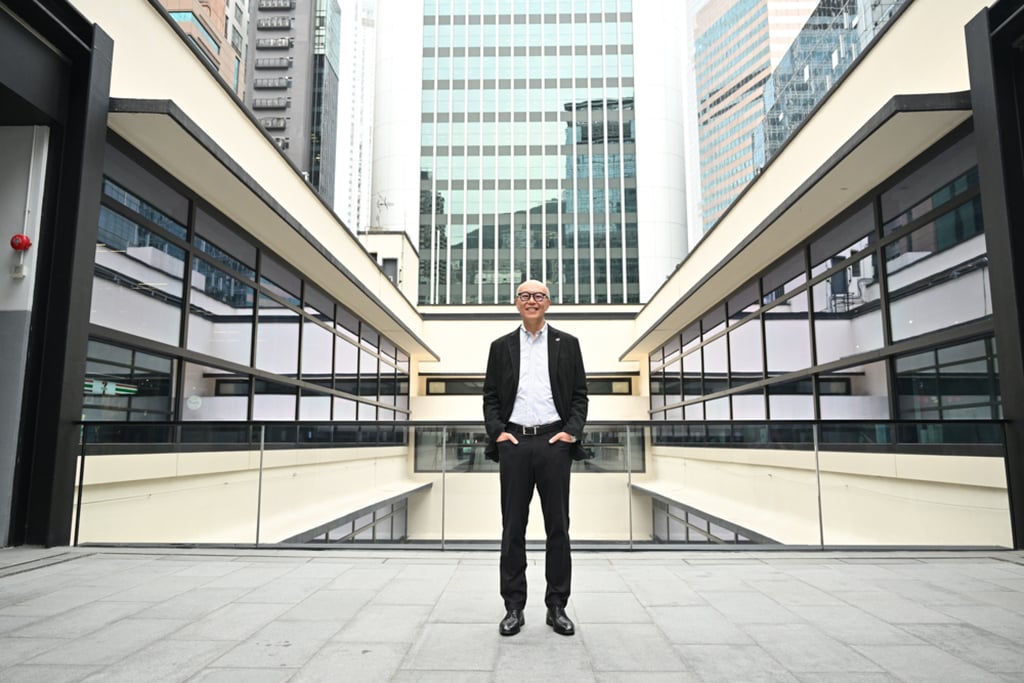
With sustainability at the forefront, practical support makes a difference.
Chinachem Group, a leading property developer in Hong Kong, has secured industry-approved certifications, such as LEED (Leadership in Energy and Environmental Design), for 29 buildings in its portfolio, and that campaign will continue.
“Creating shared value is crucial,” Donald Choi, the group’s executive director and CEO, says. “Hang Seng supports us with financing and technical advice for greener projects.”