Access to global network of business experts and investors sets EQT Impact Challenge apart
Annual contest, backed by one of world’s leading private market firms, returns to showcase Hong Kong’s best deep-tech-based start-ups

Amid a growing number of business pitch competitions aimed at early-stage companies and start-ups, the EQT Impact Challenge continues to stand apart for a number of key reasons.
Foremost among them is that every year the winner receives much more than simply a generous financial award and supportive words of advice and encouragement.
Crucially, it is also granted instant access to the global network of sector specialists and investment experts whose strategic insights have helped to make EQT, a global private market firm headquartered in Sweden, one of the world’s largest ownership platforms.
On being welcomed into that ecosystem, the winner gets the immediate benefit of help with practicalities and decisions relating to everything from corporate structure, board membership, funding and recruitment to plans for sales, research initiatives and market positioning.
Since the core objective is to ensure sustainable long-term viability for each enterprise, rather than a short period of growth before cashing in, this entails a measured approach, detailed analysis and a tendency towards deep-technology innovations with the scope and potential to be truly transformative.
“Winners of the Impact Challenge receive equity backing from EQT Foundation Fund, which gives us a shared stake in their success and a long-term relationship that goes far beyond the value of a one-off prize,” says Cilia Holmes Indahl, head of the EQT Foundation, the group’s philanthropic arm. “We pair each founder with suitable experts who volunteer their time and know-how, initially identifying two or three specific areas where our platform can make a real difference.”
That might involve sharpening a financial model, navigating a maze of regulations, or opening the door to a potential customer.
Care is taken not to overwhelm the start-up with too much at once, but instead to be genuinely useful by offering advice on things that will “move the needle” at the current stage of development.
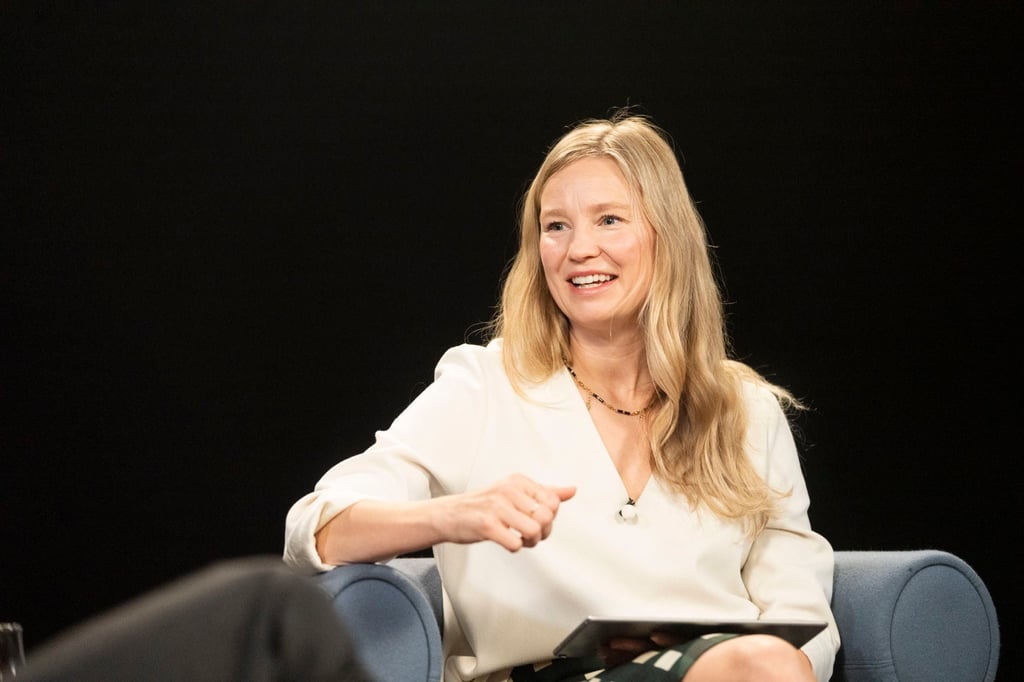
“It is about activating our connections and community at the right time to help accelerate the path to market,” Holmes Indahl says. “We also track progress through milestone-based assessments rather than purely financial metrics, which rarely tell much about a deep science company in its first few years. What matters more is that the technology is being de-risked, the team is reaching proof points that unlock the next stage, and that they are steadily building towards real commercial viability.”
In charting the best way ahead, EQT can tap into the experience of a 600-strong network of industrial advisers. They provide strategic guidance and also serve as a working resource, in touch when necessary with any of the more than 330 companies which are part of the group’s existing portfolio in the focus sectors of healthcare, technology, industrial tech and services (including software solutions, platform services and information technology consulting).
One early priority when guiding a start-up is to insist on good governance standards and a rigorous approach to operations.
The next step may involve introductions to pilot customers, industry partners which can help to test at scale, or noted pioneers in the same sector.
In terms of follow-on financial support, the process is very deliberate, with EQT making extra funding available only when things are on track to meet other specific targets.
“We think of ourselves as a bridge to somewhere, not just a source of additional capital,” Holmes Indahl says. “That discipline protects the founder, too. It keeps the relationship honest and the focus on the few factors that will ultimately determine whether the company makes it.”
This reflects the principle of active ownership, which has given rise to many success stories over the past three decades, with history showing that access, relationships and committed support usually count more than capital in establishing the momentum needed to get any business to transform.
There is, though, no single playbook because the challenges faced by individual businesses differ so markedly.
For a biotech or medtech company, there may be a years-long series of clinical tests. If dealing with climate infrastructure, it might be a question of finding sites to achieve scale. For deep-tech enterprises, it can even be tough convincing new investors of the basic concept.
“What stays constant is our approach,” Holmes Indahl says. “We carefully match each company with EQT people who have relevant expertise in that domain and can create a real advantage. In effect, we have a ‘value creation toolbox’ our teams can draw from, while also taking inspiration from what others have done before.”
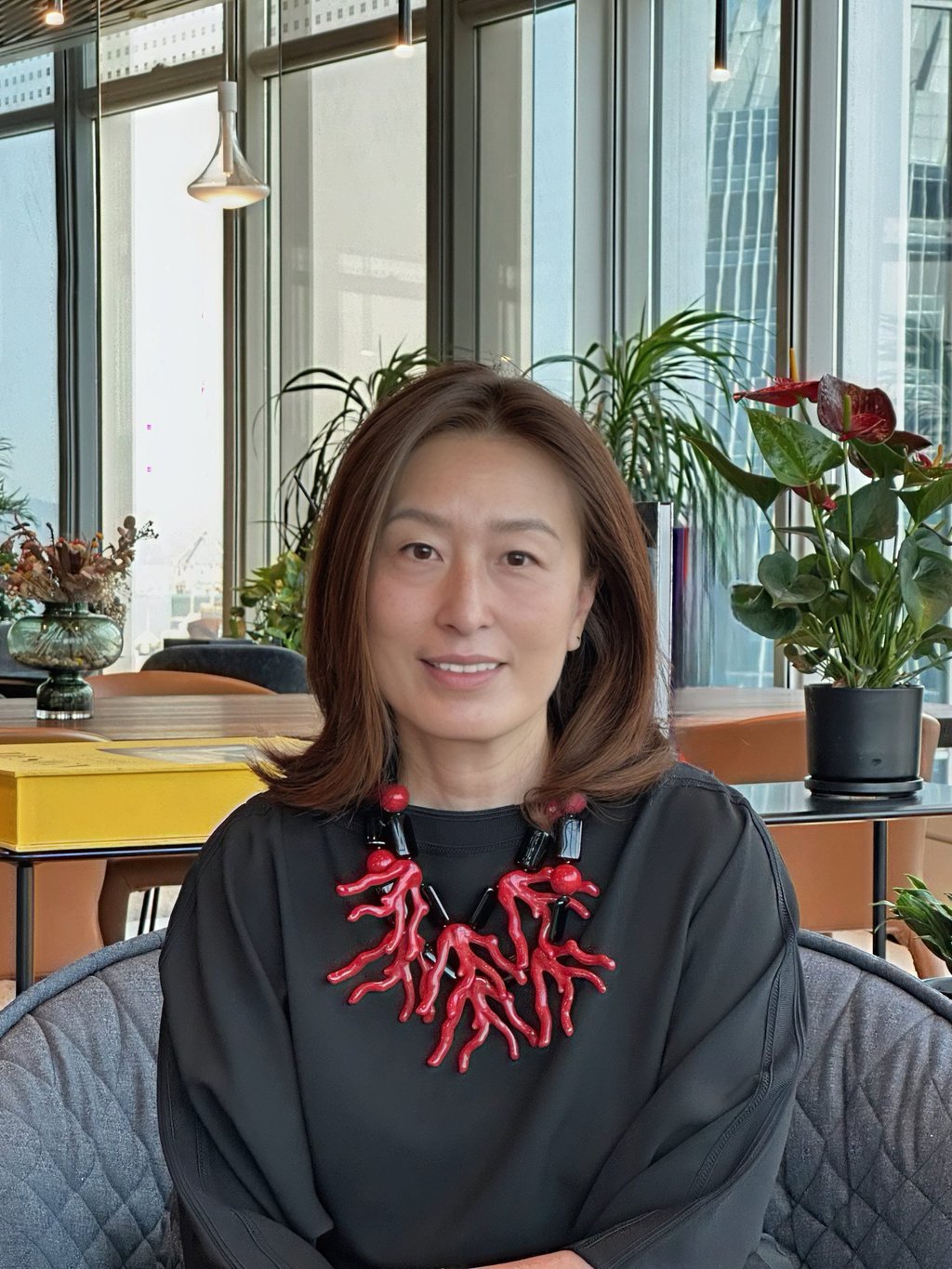
For Clara Ho, head of EQT Asia’s growth team, a major factor in the current operating environment is that start-ups in any industry must contend with the unprecedented pace of advances in technology and the disruption that brings.
So, if working with an active investor, such companies are looking for an extra level of support in these areas to understand what is happening in a broader sense, even when their work is essentially tech-based.
“The other aspect that seems set to stay, rather than going away, is business complexity caused by geopolitical situations, supply chain risks, tariffs and so on,” Ho says. “A company may not have started out thinking about these issues, but nonetheless they now have to, especially if the founders have a world-class product and their vision – for example with a medical breakthrough – is to have a positive impact on the world as a whole.”
She says that, when first interacting with the Impact Challenge winner, it is made clear that EQT’s policy is to back the founder and support the business, not come in and run it.
However, a certain amount of due diligence also takes place to ensure there is clear alignment in terms of vision and planning. That “getting to know you” process might be an hour-long meeting in a coffee shop or involve something rather more formal.
Typically, the discussion would cover the start-up’s present organisation and management line-up, the product, intellectual property, any obvious gaps and where hands-on assistance would definitely help.
“If EQT is coming in as an investor, there needs to be a very frank conversation about the division of labour, what we are good at and the share of responsibility,” Ho says. “The great thing, though, is that the founders we work with are very passionate – that is why they started their company – and very focused on what they believe in.”