Inside Labuan IBFC, the Malaysian centre built for cross-border finance
This single-regulator model has 35 years’ history helping firms set up, transact and stay compliant when operating across multiple markets

Cross-border finance is becoming more complex, not less. Businesses operating across jurisdictions are dealing with tighter regulation and more pressure to demonstrate transparency across markets, raising the bar for the international financial centres they use.
This shift helps explain why global benchmarking is gaining more attention. Labuan International Business and Financial Centre (Labuan IBFC) entered the Global Financial Centres Index (GFCI) in 2025, debuting at 60th out of 120, and has already climbed five places, to 55th, in the latest edition released in March this year. Within the Asean bloc, Labuan IBFC ranks second in GFCI 39’s fintech ranking, after Singapore. This index combines quantitative indicators, like talent, digital infrastructure and the wider business and regulatory environment, with assessments from global fintech professionals, weighting both to produce each centre’s score and ranking.
An authority built for today’s world
Labuan IBFC was established in 1990 by the Malaysian government on Labuan Island, a federal territory off the coast of Sabah. An international business and financial centre built for cross-border activity, Labuan IBFC serves global investors and companies operating across multiple markets.

Strategically positioned in Southeast Asia, Labuan IBFC is close to major Asian markets and is time-zone aligned with key cities, with connectivity to international airports in Kuala Lumpur and Kota Kinabalu, as well as a seaport that is a key part of a busy logistics network.
Data from the centre shows that in 2025, Labuan IBFC was home to nearly 5,000 operating companies from more than 100 countries, with 60 per cent based in Asia-Pacific. Incorporations also rose by more than 5 per cent in 2025. The centre reported continued growth in its financial system, with industry assets reaching US$94 billion and capitalisation rising to US$22.5 billion, up 13 per cent and 32.3 per cent respectively.
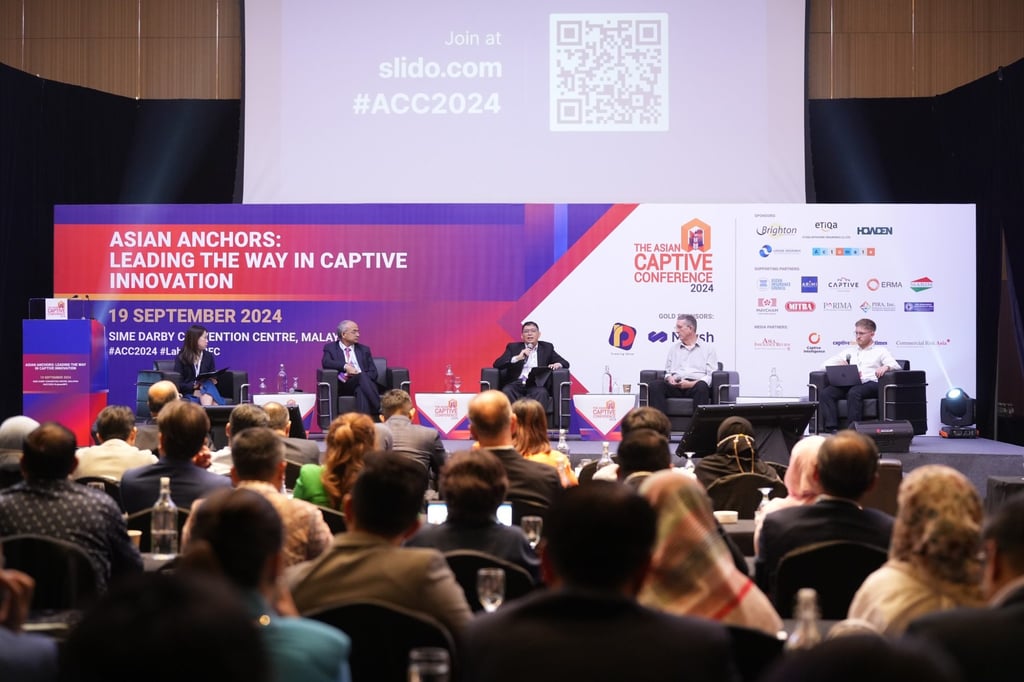
“The 2025 World Domicile Update”, an annual report published by London-based trade publication Captive Review, ranked Labuan IBFC as the second-largest hub for captive insurance solutions in Asia, offering structures where companies set up a “licensed captive”, an in-house insurer that covers some of the company’s own risk. According to the “2025 Labuan IBFC Market Report”, this market is growing robustly; captive insurance gross premiums grew by 7.2 per cent last year to US$726 million. The centre will host the Asian Captive Conference in September this year, bringing industry players together to discuss the latest trends in captive insurance.
Consolidated oversight
Labuan IBFC’s differentiator is its consolidated model. The establishment and regulation of Labuan entities are administered through the Labuan Financial Services Authority (Labuan FSA), a single statutory authority which comes under the remit of Malaysia’s Ministry of Finance.
For businesses, the benefit is clearer accountability and a more coherent compliance pathway as they establish and operate cross-border structures and activities. Because of this streamlined regulation, Labuan IBFC supports an ecosystem of financial service providers, including trust companies, legal advisers and accountancy firms.
Credibility is currency
In a world where scrutiny is increasing, one aspect of an international financial centre’s core proposition is key.
“Credibility is currency in cross-border finance, and Labuan IBFC continues to reinforce this credibility through its unwavering commitment to transparency, economic substance and a trusted regulatory framework,” says Ben Quah, CEO of Labuan IBFC Inc.
Under the Organisation for Economic Co-operation and Development (OECD) Global Forum, Labuan IBFC was rated “Largely Compliant” in 2019 for its standards on transparency when assessed on its ability to provide taxpayer information to treaty partners on request. Since then, the centre has continued to align its framework with evolving OECD standards.
In November 2025, Malaysia’s Inland Revenue Board issued guidelines that clarify requirements for Labuan entities, building on substance rules first introduced in 2019, including expectations around full-time employees and operating expenditure in Labuan. This reinforces the jurisdiction’s credibility by tightening expectations around economic substance, making it clear that entities should have real operations, not merely a registered address.
Malaysia’s anti-money laundering framework has also been assessed through the Financial Action Task Force (FATF), which reviews both the strength of a country’s financial regulations and how effectively they work in practice. In 2025, Malaysia was placed by the FATF in the “Regular Follow-Up” track, the most favourable post-assessment category, signalling increased confidence in its framework since the 2015 evaluation and bolstering the reputation of Malaysian financial centres in general, including Labuan IBFC.
This credibility becomes even more important as finance increasingly shifts online. Labuan IBFC’s digital financial services (DFS) community tripled in number from 2019 to 2024, reaching almost 100 providers in 2025, as interest rises in tokenisation, digital asset services and technology-enabled financial models.
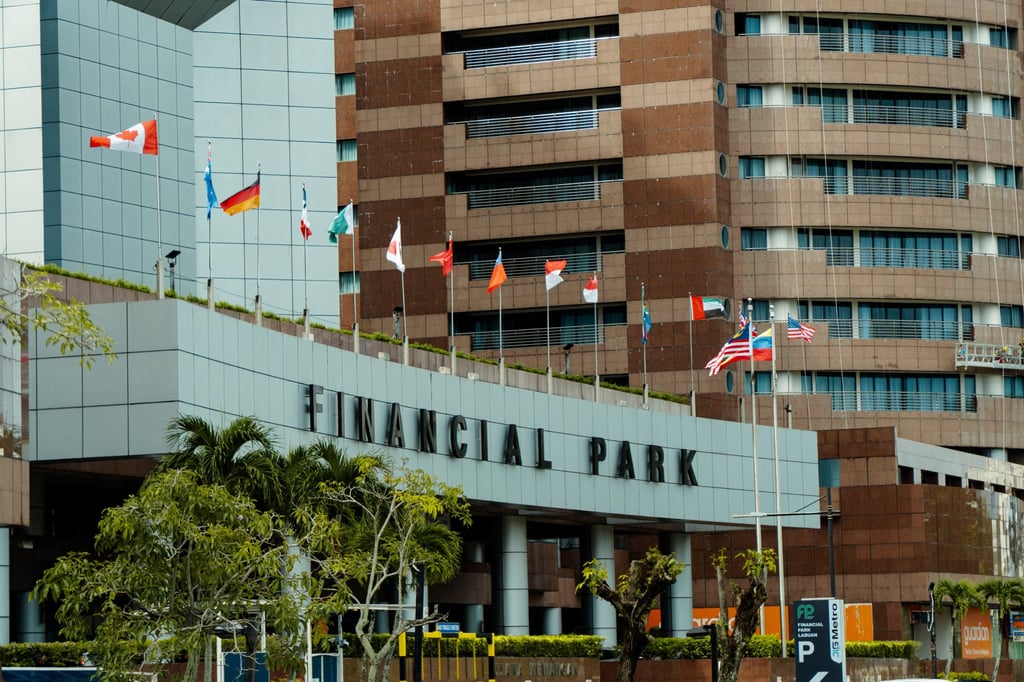
As Malaysia leads Asean in Islamic financing, Labuan IBFC is well positioned to combine its digital financial services with this niche offering that follows sharia principles. Islamic finance focuses on ethical financial parameters and clear, asset-linked transactions. In 2022, the centre launched the Islamic Digital Asset Centre to support companies that want to leverage digital finance while adhering to these principles.
Cross-border rules
For cross-border operators, predictability matters. Labuan IBFC positions its regulatory and tax framework around efficient international operations. Companies in Labuan IBFC can use most of Malaysia’s 70-plus country double-tax treaty network, which can lower withholding tax rates on certain cross-border payments where treaty conditions are met.
For Labuan IBFC’s private clients, cross-border wealth structuring is an important part of the centre’s wealth management toolkit, including succession planning structures such as foundations. The “2025 Labuan IBFC Market Report” noted this is a growing sector for the centre: foundation assets under management (AUM) grew year on year by 12 per cent to US$802 million, while new foundation registration expanded by 29 per cent.
As cross-border finance continues to evolve, Labuan IBFC is positioning itself as a regional base for internationally oriented activity, with established expertise spanning industries from captive insurance to digital financial services to Islamic finance. With AUM by fund managers up 9.4 per cent from 2024, the centre is aiming to build on that momentum.