AIA Alta’s Optimal Longevity Index shows health and wealth go hand in hand
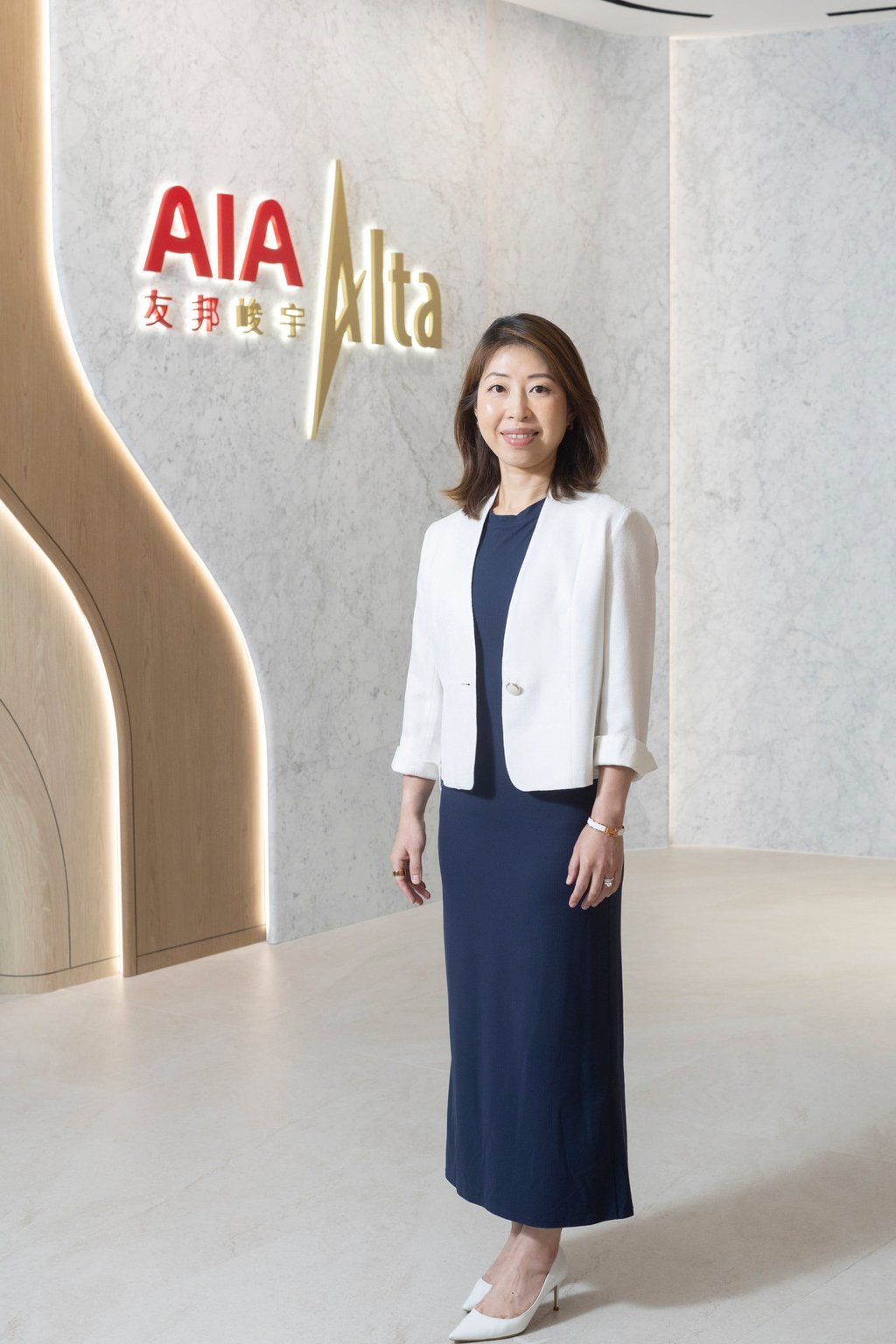
Chief proposition and healthcare officer Alice Liang says high-net-worth families need to integrate healthcare into their succession plans

Hong Kong’s 2024 census reveals a staggering life expectancy of 82.7 years for men and 88.2 years for women – figures that consistently rank amongst the world’s highest.
However, while people in Hong Kong may be champions in longer lifespans, the inaugural AIA Alta High-Net-Worth Optimal Longevity Index – that was developed by Boston Consulting Group – suggests the city’s high-net-worth (HNW) and ultra high-net-worth (UHNW) families are surprisingly under-equipped to face the challenges of ageing.
This new report looks at the readiness levels of HNW and UHNW individuals in Hong Kong and mainland China in their wealth and health plans, given that average life expectancy has increased.
While longevity is often defined as living longer, the report suggests that for HNW and UHNW families, it should mean more than simply an extended lifespan. Instead, it calls for a shift in focus towards “longevity readiness”, where health and finance plans are integrated to account for a longer life journey.
Despite overseeing multimillion-dollar assets, HNW families appear not to have applied the same diligence to their health planning as they have to wealth management.
With an overall score of 62 out of 100, the index places the HNW segment in a “developing” category rather than one with fully planned health and medical arrangements in place.
This suggests that for affluent families, the challenge lies in bridging the gap between awareness and execution, and the necessity for putting in place the structures needed to sustain a long and increasingly complex life.
AIA Alta’s findings, based on interviews with more than 300 HNW individuals across the region, assess readiness across the two “pillars” of health and wealth. The study evaluated three key dimensions: “awareness” of risks and implications of longer lifespans; “confidence” in maintaining independence, health and financial security; and “preparedness” in having the right documents, structures, resources and routines in place.
Based on the findings, the index highlights three areas in which HNW families need to strengthen their readiness for longevity.
Longevity planning needs to be integrated
“The index is the first of its kind in the market. It makes one point very clear: longevity cannot be managed in silos,” Alice Liang, chief proposition and healthcare officer of AIA Hong Kong and Macau, says.
She suggests that the future of longevity planning for HNW families is not just about tax and succession, but also an “institutionalised” health pathway.
“Many families now operate across multiple jurisdictions financially, medically and personally,” Liang says. “Without a coordinated framework, fragmentation often becomes apparent during moments of stress or major life transitions, when alignment matters most.”
In other words, as lifespans lengthen and family arrangements become more complex, health, wealth, mobility and legacy planning can no longer be treated as separate issues.
Health planning remains the weak link
AIA’s report identifies a weakness in preparedness: while 80 per cent of wealthy individuals have secured their finances through wills or trusts, only 20 per cent have established what the index describes as “health decision-continuity mechanisms”.
This points to a lack of effective systems when it comes to health, such as designating a medical power of attorney if one becomes incapable of making decisions, or formalising decision-authorisation documents for times of crisis.
The weakness is also evident in cross-border healthcare management. The report shows confidence in being able to receive “urgent care” whenever and wherever needed is surprisingly low. Only 10 per cent of UHNW respondents expressed full confidence in accessing cross-border urgent care within a 48-hour window.
Taken together, these findings suggest that health planning remains less developed than wealth planning, despite the growing operational demands of a longer life expectancy.
Building resilience throughout generations
“HNW individuals are no longer planning only for their own wealth and health… they are increasingly preparing for their legacy – including their next gen’s well-being as well,” says Liang.
True longevity readiness extends beyond the individual and requires mentoring the next generation. The index indicates that only about 30 per cent of respondents have completed training for their successors to ensure they are capable of managing the wealth that will eventually be transferred to them.
The findings point to a broader challenge: longevity planning is not only about protecting assets and health today, but also about ensuring the next generation is prepared to navigate increasingly complex family responsibilities over time.
Through activities organised by AIA Alta Discovery Academy, the company helps the younger generation in HNW families in developing key skills – from leadership to complex decision-making capabilities – to enable them to handle family legacies across decades.
One “orchestrator” as the answer to evolving HNW family needs
While most HNW families have access to sophisticated, multidisciplinary advice, Liang notes they often lack a central “integrator” who can ensure decisions across different advisers, structures and jurisdictions remain coherent, actionable and continuously updated as circumstances evolve.
“Our role, therefore, is to act as a long-term orchestrator of family decision-making, ensuring strategies remain aligned, are reviewed regularly and can be executed consistently across different stages of life,” Liang says.
“This philosophy underpins the establishment of the AIA Alta Prestige Wealth Centre: to provide families with a stable and cohesive execution platform, helping them convert longevity awareness into actions that can be implemented and sustained over time.
“We have also introduced a comprehensive suite of bespoke products and services designed exclusively for the HNW segment.”
The “One Orchestrator” strategy is how AIA envisions longevity management in an era of extended lifespans – a solution similar to a family office model. The goal is to provide a framework for people to live better in the era of longer life expectancy.
“Together, these dynamics help explain why more families are gravitating towards family‑office‑style governance models. This shift is not about pursuing complexity for its own sake. Rather, in an era of longer lives, the risks associated with fragmentation and lack of integration are significantly amplified,” Liang says.
In addition to legacy planning, the AIA Alta Prestige Wealth Centre provides trust, tax, legal and family-office-style services, supported by AIA’s dedicated HNW team and a network of international organisations.
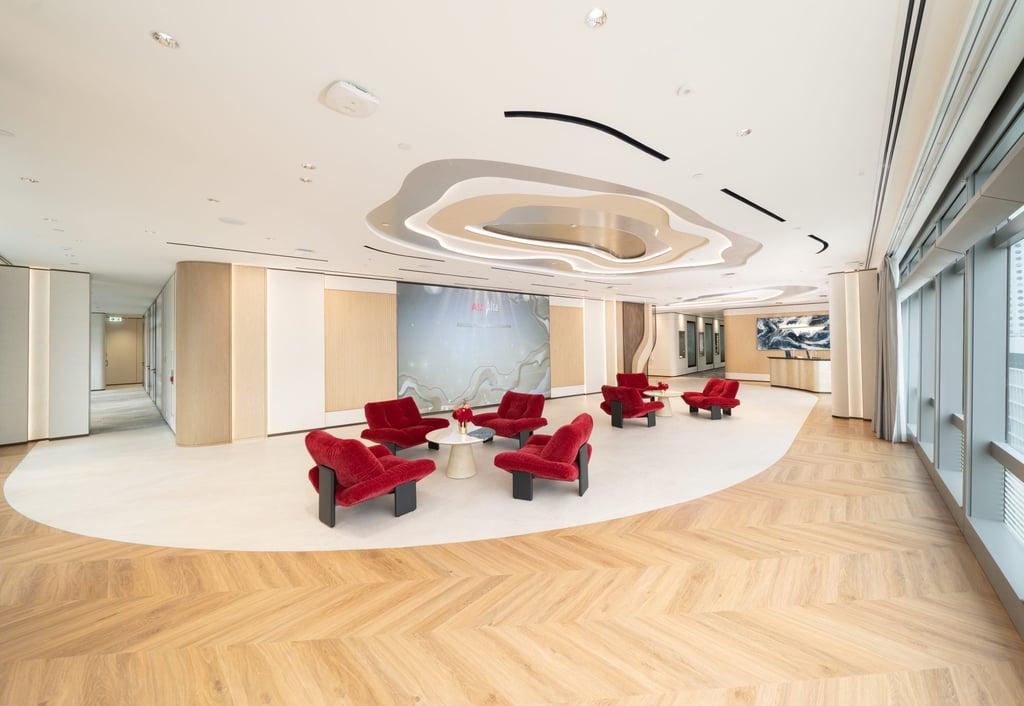
The index’s findings also suggest an emerging need for a more centralised approach to what AIA Alta terms as “Health Orchestration” and it currently addresses this with “health ambassadors” through its Family Health MedTeam, with professionals overseeing family health records and offering healthcare support 24/7 in Hong Kong and mainland China. The service caters for clients who maintain close ties to the mainland, as its medical system is different from Hong Kong’s.
Overall, AIA Alta’s Optimal Longevity Index confirms HNW families’ limited readiness for wealth and health longevity, indicating a need for a new standard of multidisciplinary governance that combines health and wealth protection into one, connected system.
In conclusion, Liang says: “Our focus has been on turning longevity management from a concept into a system. In longevity planning, clarity without execution can create a false sense of security. Our mission is to close this critical gap.”