UOB Private Bank redefines wealth building in Asia with personalisation and discipline
UOB’s discretionary portfolio management service helps clients grow and protect their wealth with steady returns and risk-managed strategies

In today’s volatile and complex markets, more investors are seeking professional guidance to manage their wealth. For many, that means turning to discretionary portfolio management (DPM), a service where a dedicated team of investment professionals builds and manages portfolios on the client’s behalf, aligning with their financial goals and risk preferences. By helping investors take a longer-term view and avoid emotionally driven decisions, DPM is gaining traction throughout Asia.
UOB Private Bank has emerged as a leader in this space, by building its DPM offering on a foundation of strong performance, transparency and personalisation. Earlier this year, it was named Asia’s top DPM provider by the Euromoney Private Banking Awards.
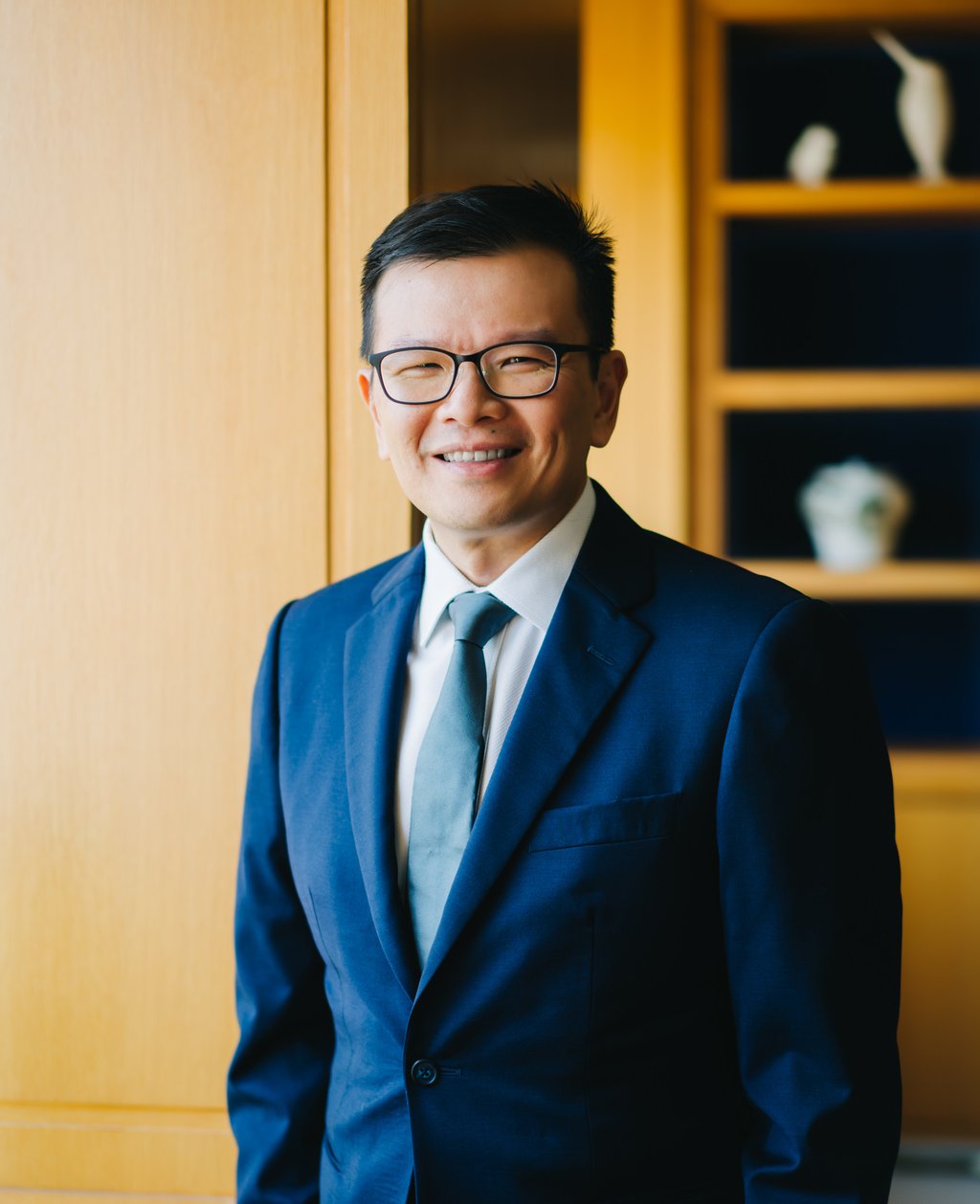
“We recommend that clients keep a large portion of their wealth in professionally managed, conservative risk services like DPM because investing is an emotional activity,” says Neo Teng Hwee, chief investment officer of UOB Private Bank. “A professional team provides discipline and emotional distance, helping clients stay focused on their long-term goals.”
Why DPM is growing in Asia
In Europe, DPM is a widely adopted practice among private banking clients. Neo explains that many European clients are multigenerational wealth holders who are comfortable delegating investment decisions. Asian wealth, by contrast, is still largely in the hands of first-generation entrepreneurs who are used to being in the driver’s seat.
Over the past two decades, events such as the 2008 global financial crisis, the Covid-19 pandemic and tariffs imposed by US President Donald Trump have led many Asian investors to rethink the way they manage their portfolios. “These points of extreme market stress have made Asian investors think, ‘Maybe I should leave it to a team of professionals and take a longer-term view’,” Neo says.
In Singapore alone, discretionary assets under management (AUM) now make up more than half of the city state’s S$5.4 trillion (US$4.2 trillion) in AUM. The shift towards DPM is accelerating, with nearly one in five banks in the region forecasting double-digit growth in discretionary AUM.
A client-first, tailored approach
UOB’s DPM journey begins with an in-depth consultation to understand a client’s needs, goals and comfort with risk.
“The service is highly personalised,” Neo says. “Clients can set certain restrictions, such as avoiding certain companies or sectors due to their ESG requirements.”
Based on that, the DPM team proposes a tailored strategy, complete with sample portfolios and risk analytics that include stress tests based on past market crises. Once approved, the portfolio is implemented directly. Clients then receive regular updates and, if so desired, have face-to-face meetings with portfolio managers.
Over 95 per cent of UOB’s DPM portfolios have been profitable since inception, with AUM growing at a compound annual growth rate of more than 30 per cent over the past five years, as of the end of 2024.
Protecting against downside risk
UOB’s investment philosophy emphasises resilience over rapid gains. The DPM team actively monitors macro and sector-level risks, making conservative calls when necessary. Neo cites China’s property sector crisis as a key example: “In 2022, we exited every position in the Chinese property market – not because we predicted the defaults, but because we saw stress and liquidity issues that didn’t justify the risk for our clients.”
This risk-aware approach supports what the industry calls “asymmetric returns”: portfolios that may capture slightly less upside in bull markets, but decline less during downturns. “We believe in limiting the downside, even at the expense of giving up a little bit of the upside capture, as it benefits the compounding of wealth in the long run,” Neo explains. “If you are down 50 per cent on your portfolio, you need 100 per cent just to make it back to your starting point.”
Regional expertise, global ability
Headquartered in Singapore, UOB has deep roots in Asean, and it is well-positioned to respond quickly to regional shifts. Last year, the bank launched a bespoke derivatives strategy, a custom investment option that can help clients generate income while sitting on the sidelines during periods of elevated valuations and uncertainty.
Also in 2024, UOB launched its first Undertakings for Collective Investment in Transferable Securities (Ucits) fund, an investment vehicle governed by European Union directives that offers strong investor protections. Uniquely positioned among private banks, UOB’s Ucits fund focuses on Asian fixed income, providing global investors with targeted exposure to the region’s bond markets through a regulated and accessible format.
The fund, which is designed to meet the rising demand for Asia-focused products, grew to S$220 million in AUM within months of launching.
“We approached the creation of the Ucits fund from the lens of a wealth manager, aiming to offer it to a broader mass market,” Neo says. “It is a tailored option for clients looking to invest in Asian bonds at a smaller clip. So far, the Ucits fund has exceeded even my own expectations.”
Building long-term trust
DPM at UOB Private Bank is not just about returns, it is also about building lasting client relationships through consistent support, transparency and a deep understanding of each client’s individual needs. Neo explains that the bank takes a proactive approach, especially during periods of volatility, when clients are most in need of clarity and reassurance.
“We’ve done our own benchmarking, and our investment process has been proven to work,” he says. “We take the time to understand our clients, offering a compelling set of client-centric services. We do not just sell cookie-cutter solutions.”