Role of spices in fusion cuisines celebrated at Macau’s International Gastronomy Forum
The event, featuring discussions with renowned chefs, showcased how spices became a vital link between culinary traditions worldwide
Macau was named a Unesco Creative City of Gastronomy in 2017 for its unique mix of Portuguese and Chinese culinary traditions. This fusion cuisine was developed through centuries of cultural exchange, reflecting Macau’s history as a major trading port and the subsequent interactions between Portuguese settlers and the local community.
Back in the 16th century, when maritime trade was established in the city, one of the most lucrative commodities was spices. Previously unavailable in that part of Asia, cloves, cinnamon, peppercorns, saffron, chilli peppers and more were brought to Macau for the first time during the trading era, along with recipes from Portugal, Africa, India and Southeast Asia.
This culinary legacy took centre stage at the recent International Gastronomy Forum, Macao, which had the theme “The Spice of Life: Macao’s Culinary Connections”. Featuring two keynote speeches and three engaging panel discussions, the event explored the fascinating role of spices and herbs in worldwide cuisines.
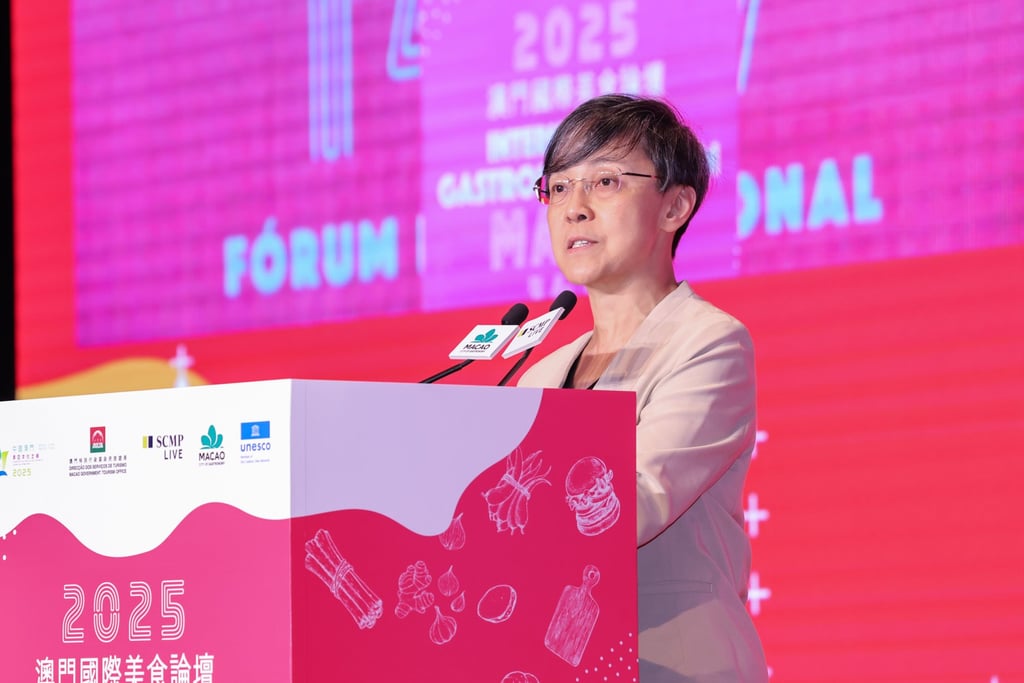
Representatives, culinary professionals and industry leaders from more than 30 other Creative Cities of Gastronomy gathered at the forum, which took place July 14 at the Macau Fisherman’s Wharf Convention and Exhibition Centre and was jointly organised by the Macao Government Tourism Office (MGTO) and the South China Morning Post.
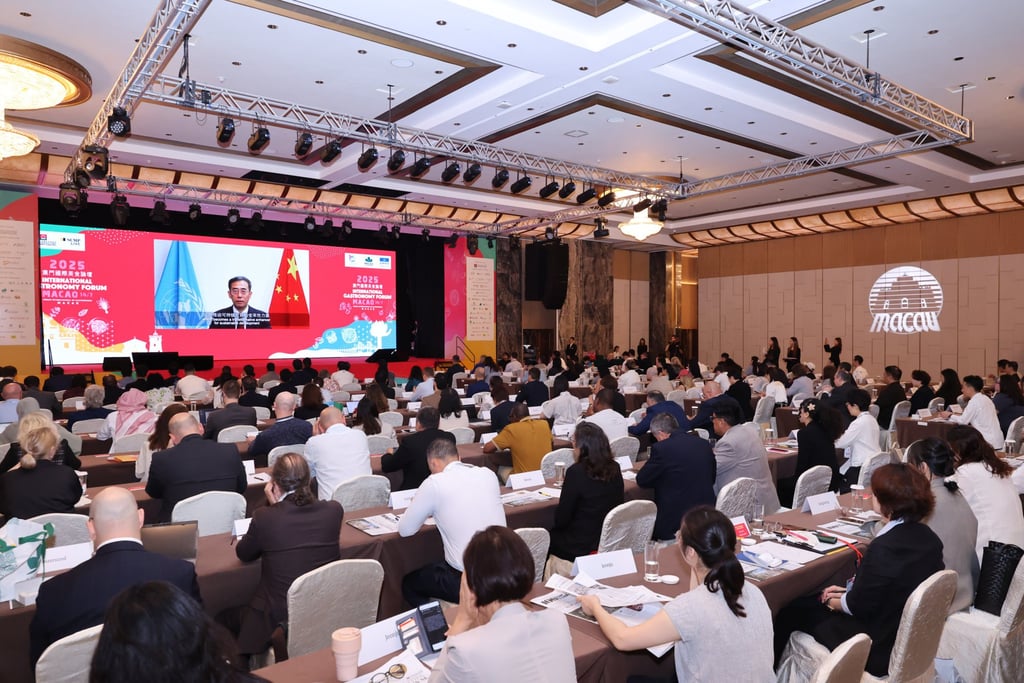
Welcoming remarks were given by Maria Helena de Senna Fernandes, director of MGTO, and Qin Changwei, secretary general of the Chinese National Commission for Unesco.
Noting that the forum is again being presented as part of the International Cities of Gastronomy Fest, Fernandes said: “We strive to share Macau’s unique gastronomic culture with the world, foster international exchange and steer our tourism towards sustainable development.”
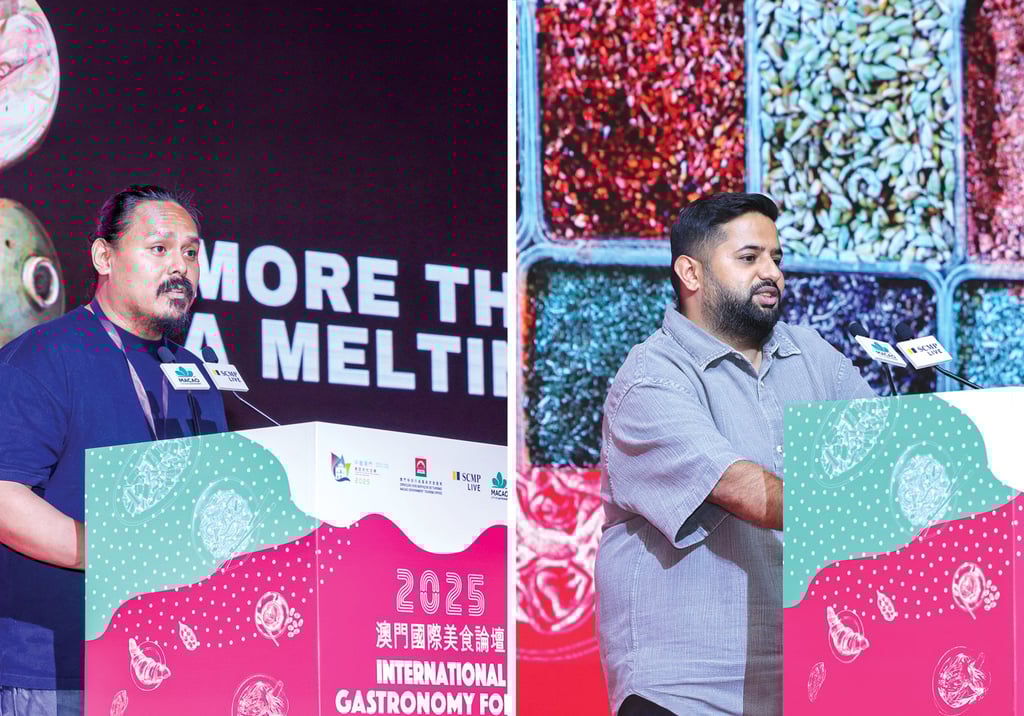
Two acclaimed chefs served as the event’s keynote speakers: Jordy Navarra, owner of Toyo Eatery in Manila, and Varun Totlani, head chef of Masque restaurant in Mumbai. In his speech, Navarra emphasised Macau’s culinary connections to the Philippines, highlighting the rich blend of cultural influences that shape its cuisine. Totlani talked about the dynamic relationship between spices and Indian cuisine, pointing out that no Indian dish relies on just a single spice, as unique spice blends are crafted in every household.
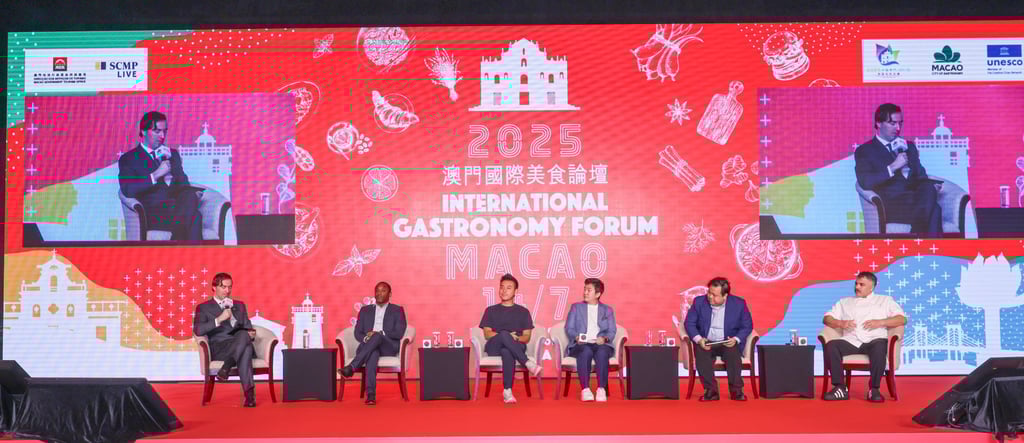
A line-up of culinary experts and hospitality professionals took part in three panel discussions. The first, titled “A History and Legacy of Spices: Tracing Fusion Cuisines’ Culinary Roots”, featured Dr David Wiley, a lecturer at the Macao University of Tourism, Vicky Cheng, chef and owner of the Michelin-star restaurant Vea as well as Wing in Hong Kong, Chonlathip “Bowling” Rayamas, a Thai food influencer, Hironori Maeda, executive chef of Mizumi at Wynn Palace in Macau, and Murat Kara, chef de cuisine at Grand Lisboa Palace Resort Macau.
Wiley discussed Macau’s significance as a key trading hub between Portugal, China and Japan, and Cheng shared his journey of learning traditional French cooking while craving Asian flavours. While Maeda noted that Japanese cuisine’s focus on fresh ingredients and fermentation means it often lacks spice, Rayamas emphasised how Thai cuisine evolved with the introduction of chilli peppers through trade.
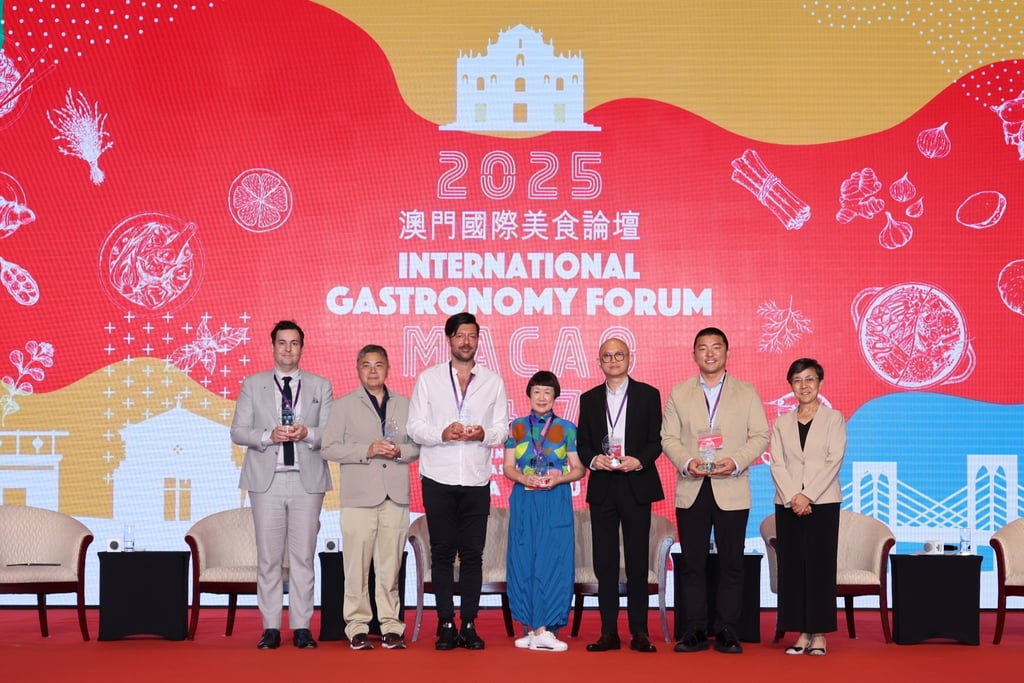
The second panel, “A Symphony of Flavours: Fusion Cuisine in Modern Macao and Beyond”, discussed the creative process of combining various culinary traditions, innovative cooking techniques and global influences. It featured Macanese chef Antonieta Fernandes Manhao, Antimo Maria Merone, executive chef and co-owner of Estro in Hong Kong, Susan Jung, the Hong Kong, Macau and Taiwan academy chair for Asia’s 50 Best Restaurants and the World’s 50 Best Restaurants, Jack Siew, director of culinary operations at City of Dreams in Macau, and Tony Yoo, chef and owner of Dooreyoo in Seoul.
Jung highlighted how necessity can often drive the best culinary creations, rather than creativity. The panellists also discussed the challenges of fusion cuisine, underlining the importance of understanding traditions and achieving balance instead of trying to force new elements into dishes.
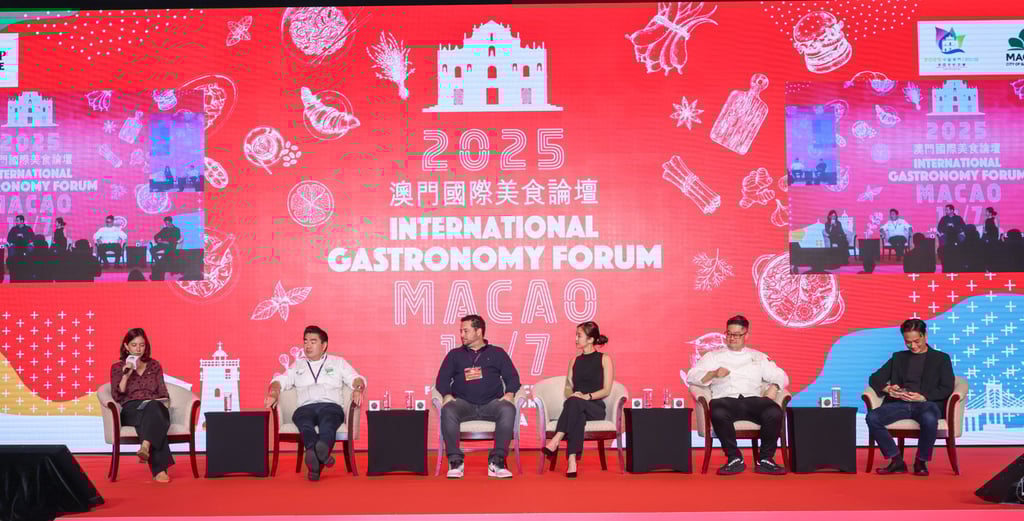
The final panel of the day, “Spice as a Bridge: Celebrating Cultural Fusion and Communities”, focused on how spices can serve as a vital connector between the diverse communities that call Macau home. The participants included Raymond Vong, chef and owner of Henri’s Gallery in Macau, Ricardo Chaneton, executive chef and co-owner of Mono in Hong Kong, Shelley Tai, founder of Mius Hong Kong, Jun Kim, executive sous chef at The Londoner Macao, and Norihisa Maeda, executive chef of Galaxy Macau’s Sushi Kissho by Miyakawa and Teppanyaki Shou. They discussed how flavour gets translated across cultures, highlighting umami in Japanese cuisine and Venezuelan spices.
The chefs on the panel noted it was important to understand demographics and adapt culinary practices accordingly, especially with sweetness and flavour profiles. The significance of collaboration in the culinary world was also emphasised, with Chaneton and Tai both advocating for fostering creativity within restaurant teams and young chefs being encouraged to remember their roots while being open to new experiences.
Watch the video to see key moments from the International Gastronomy Forum, including points from the day’s speeches and panel discussions.