Sir Simon Rattle: ‘more people in mainland China are learning the piano than the population of Germany’
- British music director of London Symphony Orchestra will conduct orchestra in Hong Kong to help celebrate Hong Kong Cultural Centre’s 30th anniversary

Asia offers great potential for the growth of classical music, says Sir Simon Rattle, the British conductor and music director of one of the world’s most prestigious orchestras, the London Symphony Orchestra (LSO).
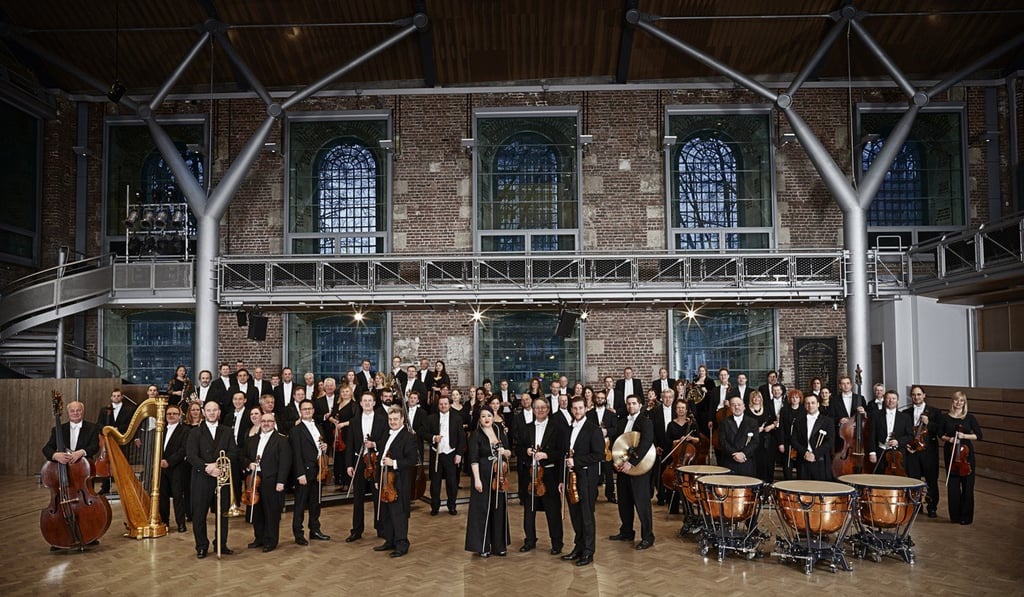
Rattle will be bringing the LSO to Hong Kong for three spellbinding evenings in September to celebrate the 30th anniversary of the Hong Kong Cultural Centre.
I believe there are more people in mainland China learning the piano than the population of Germany. If I was an investing man, I would put my money into Chinese pianos at the moment
Accompanying the orchestra on September 25 will be piano maestro Emanuel Ax, who will play Brahms’ fiendishly difficult Piano Concerto No 2 in B-flat, Op 83.
Two talented Hong Kong-born pianists will perform with the orchestra on the other two dates. Colleen Lee will play Prokofiev’s Piano Concerto No 3 in C major, Op 26 on September 22 and Aristo Sham will play Rachmaninov’s Piano Concerto No 3 in D minor, Op 30 on September 24.
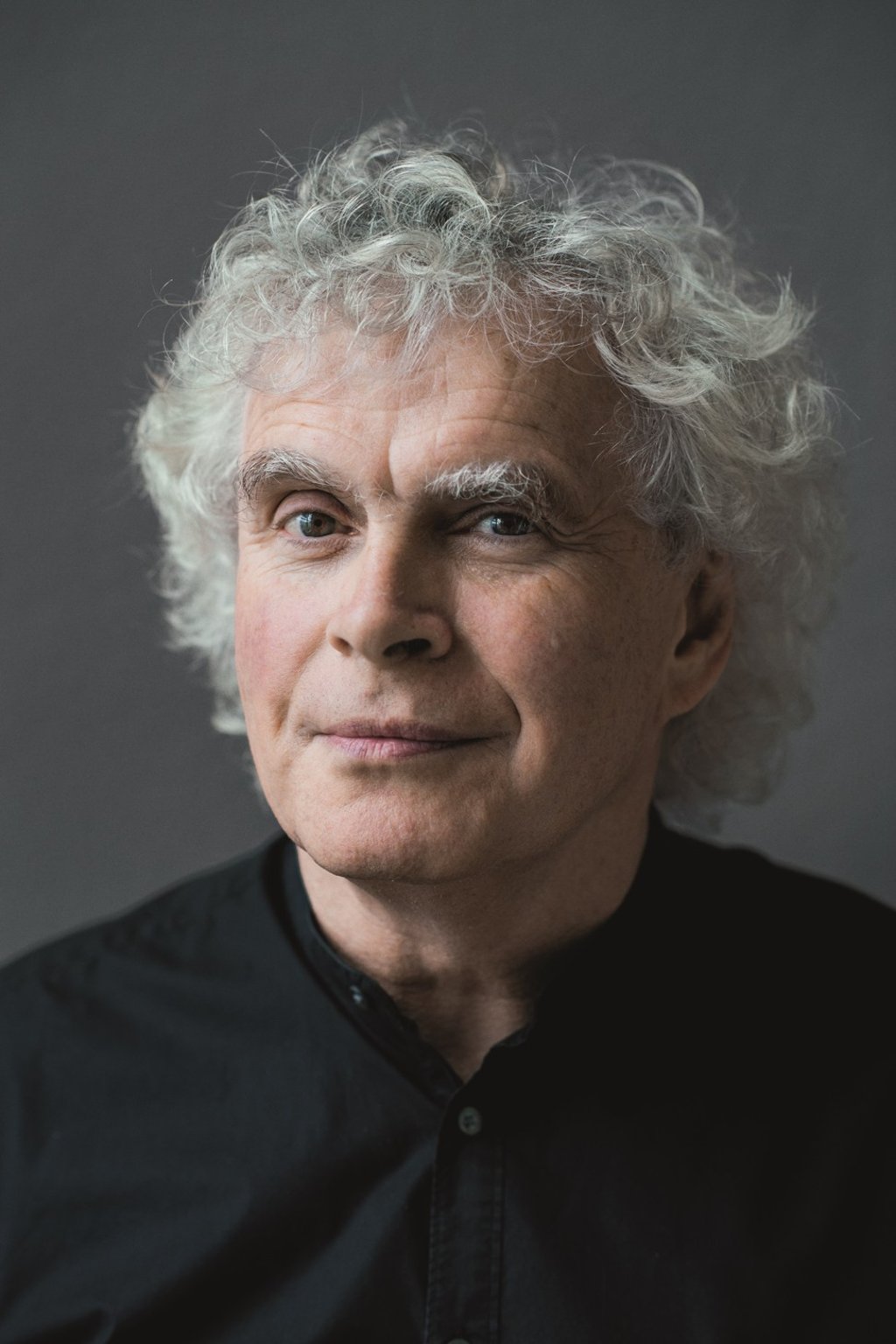
Rattle says that it is not only important for British classical musicians to go to Asia, but it is also very inspiring.
“Living in a country in which the arts are marginalised – and we wonder who is taking care of them – when we then go to Asia and see excitement and passion for music, this is something palpable and deeply moving for us,” he says.
I’ve been going to Asia for many years and you realise every place has its own input in music; [mainland] China, Korea, Japan, Taiwan – all of them have an immense hunger for music, but completely different responses to it
“When you play in Taipei, for example, and there is an audience of 2,000, but there are 40,000 outside watching it on a screen – this type of love of the arts is not happening where we are.”
China, in particular, has a classical music scene that looks destined to impress, he believes.
“I believe there are more people in mainland China learning the piano than the population of Germany,” Rattle says. “If I was an investing man, I would put my money into Chinese pianos at the moment.
When we then go to Asia and see excitement and passion for music, this is something palpable and deeply moving for us
“Of course, this means that there’s going to be a more vibrant musical life. It’s a relatively new development in China due to the historical situation, but it’s not just superstar extraordinary talent like Yuja Wang and Lang Lang, there are many more.
“This is something we will find more and more. I’ve been going to Asia for many years and you realise every place has its own input in music; [mainland] China, Korea, Japan, Taiwan – all of them have an immense hunger for music, but have completely different responses to it.”
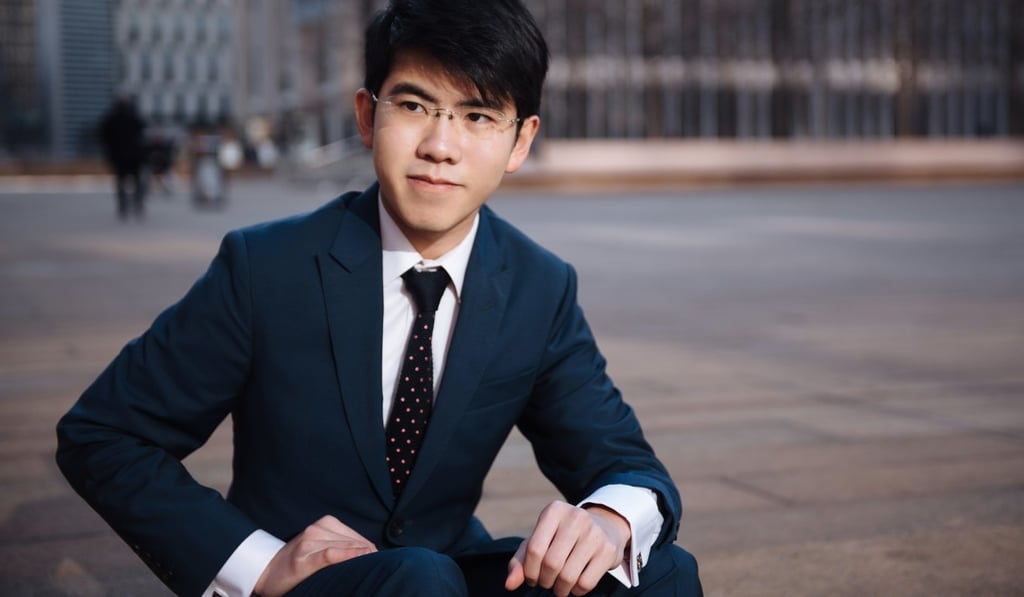
Twenty-three-year-old Sham says that classical music is going from strength to strength in Asia.
“People like to say that ‘classical music is dying’, but that could not be further from the truth,” he says.
People like to say that ‘classical music is dying’, but that could not be further from the truth. There are now, more than ever, myriad avenues to access high-quality classical music performances wherever we are
“There are now, more than ever, myriad avenues to access high-quality classical music performances wherever we are, whether it’s the range of live performances in increasingly innovative venues, or on our mobile phones with medici.tv and virtually every international competition that streams live.”
Hong Kong also provides opportunities for musicians to flourish. Lee points to the diverse music festivals and performances that bring the best artists, orchestras and ensembles to the city, providing opportunities for local talent to collaborate.
“I’m delighted to see more young people now in concerts, hoping the classical music scene in Hong Kong will continue to blossom, with support from all walks of life,” Lee says.
Rattle has long been committed to nurturing talent in classical music, going back to the 1990s when he first worked with the UK’s Birmingham Schools’ Symphony Orchestra.
Prokofiev’s [Piano Concerto No 3 in C major, Op 26] is full of sparks, humour and passionate expression … Hopefully I can get everyone holding their breath, electrified
At the LSO he has established a new programme in London that identified a group of talented young musicians currently entering the perilous teenage years – when many young people abandon music – and aims to inspire them to continue to flourish and perhaps become musicians in adulthood.
“Music education per se is being squeezed and I believe we, as professional musicians, have a responsibility to lobby governments to support this fundamental universal means of communication, and develop schemes and programmes to demonstrate what can be achieved and how young lives can be enriched by engaging in musical activity,” Rattle says.

Lee hopes her playing will enrich her audience’s musical experience. She describes Prokofiev’s concerto as “full of sparks, humour and passionate expression”.
The piece is known for its demanding speed and stamina. “Hopefully I can get everyone holding their breath, electrified,” she says.
Sham, on the other hand, will be playing the Rachmaninov concerto he performed at the end of his high school career in the UK as a celebration of the five years he spent there.
Hong Kong is the home of many astonishing pianists and we are working with two of them – Colleen Lee and Aristo Sham – and this will be a great experience for the orchestra to discover new talent, and for us to celebrate the local talent
Over the years he has also performed the piece with different orchestras. “For me, this is a piece with an incredible amount of both emotional and intellectual content, and cleverly constructed to be extremely effective for the audience,” Sham says.
“To perform this piece again with the LSO feels like coming full circle, especially since it was my guardian [of my UK years], mentor, and friend, the late Sir David Tang’s wish to watch me perform with the LSO one day.”
While Rattle has been to Hong Kong many times, he describes the forthcoming programme – a residency of three concerts – as a “special honour”.
His father worked in Hong Kong for at least a month every year when he was growing up, bringing back tales of all there was to see, do and eat.
Because of his Far Eastern work connections, many of his friends back in Liverpool were Chinese, so to him Hong Kong feels “almost like a second home”.
“Hong Kong is the home of many astonishing pianists and we are working with two of them in our time there, and this will be a great experience for the orchestra to discover new talent, and for us to celebrate the local talent,” Rattle says.
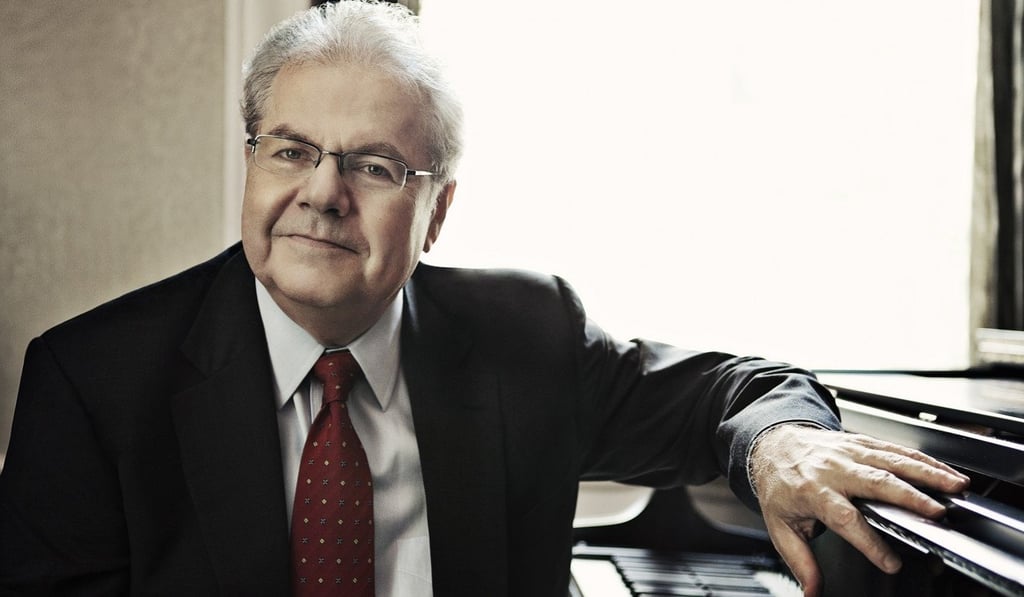
During the second concert, the audience will also get to listen to the American-Polish pianist Ax as he shows why he is regarded as the pre-eminent living performer of Brahms’ Piano Concerto No 2.
“How much better does my job get than doing this?” Rattle says. “The piece is so ferociously difficult, but he has a way of making it work without noticing.
“The story between piano and orchestra is very intense and requires a complete understanding. There are thousands of little adjustments everybody has to make to each other to make it sound like no adjustments were made. Mani is the absolute master of that.
“There’s always a queue of people to play the second with Mani, so we’re thrilled to be playing it with him and it will be a great experience. He’s also one of the funniest musicians going so everyone feels well when he’s around.”
The relationship between a soloist and the orchestra is crucial to any performance, but many concerts take place without a preliminary practice round.
How much better does my job get than doing this? [Brahms’ Piano Concerto No 2] is so ferociously difficult, but [Emanuel Ax] has a way of making it work without noticing … we’re thrilled to be playing it with him and it will be a great experience
Rattle says that building this dialogue is quicker than many would imagine.
“Interestingly, it’s normally just a matter of ears,” he says. “It’s good to get a feeling of what the person is and how we respond together, but it’s often not necessary to sit for hours working things out.”
While he sometimes relies on silly jokes to warm the atmosphere, he also says that a great deal depends on the orchestra.
“The LSO is one of the most welcoming orchestras, and the most generous to soloists,” he says. “Everybody is there simply wanting to play chamber music, so everyone has their ears open.”
Along with the stand-out soloist pieces, audiences can look forward to Rachmaninov’s Symphony No 2 in E minor, Op 27, and one of the most important pieces from the end of the 20th century: John Adams’ Harmonielehre.
The music of Haydn, which Rattle describes as “probably the dearest to my heart of any music”, is also represented in his great revolutionary Symphony No 86 in D major.
Live relays of the London Symphony Orchestra concert are available at Piazza Area C, Hong Kong Cultural Centre, Tsuen Wan Town Hall, Yuen Long Theatre and Tuen Mun Town Hall, on September 22, 24 and 25 at 8pm.
Free online registration: www.lcsd.gov.hk/CE/CulturalService/Programme/en/music/programs_737.html