Citywide programme makes Macao a new stage for young artists around the world
- Local and overseas young performers converge in city to show their craft
- Event serves as platform for actors, musicians and dancers to express cultural identities through art

Lam Teng Teng studied puppetry in Prague and has performed in Europe and Hong Kong. For the first time, she will join this year’s International Youth Drama Festival in Macau. For this young Macau resident, the co-founder of the Rolling Puppet Alternative Theatre, one show is worth much more than a thousand words.
“Theatre is a group artwork which provides a space for all kinds of talents and requires a collective working ability,” she said.
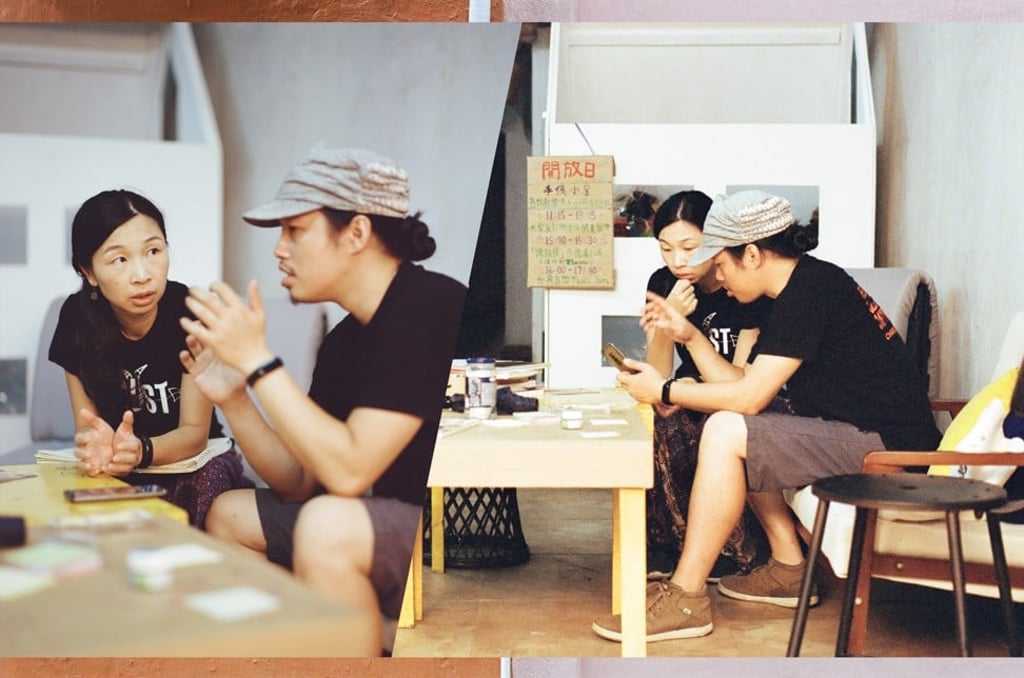
Rolling Puppet is driven by Lam and co-founder Kevin Chio. A combination of puppetry techniques married with interactive media in humour-driven and critical performances, her group’s craft is what makes Art Macao – the arts celebration incorporating the drama festival, the International Youth Music Festival and the International Youth Dance Festival – a fantastic discovery of beauty and human exchange.
Theatre is a group artwork which provides a space for all kinds of talents and requires a collective working ability
With dozens of theatre, music, and dance performances in the second half of July, Art Macao is rooted in European and Asian traditions. Accomplished individuals and groups proposing to revive forgotten heritages will perform plays and pieces, old and new, often with a modern twist.
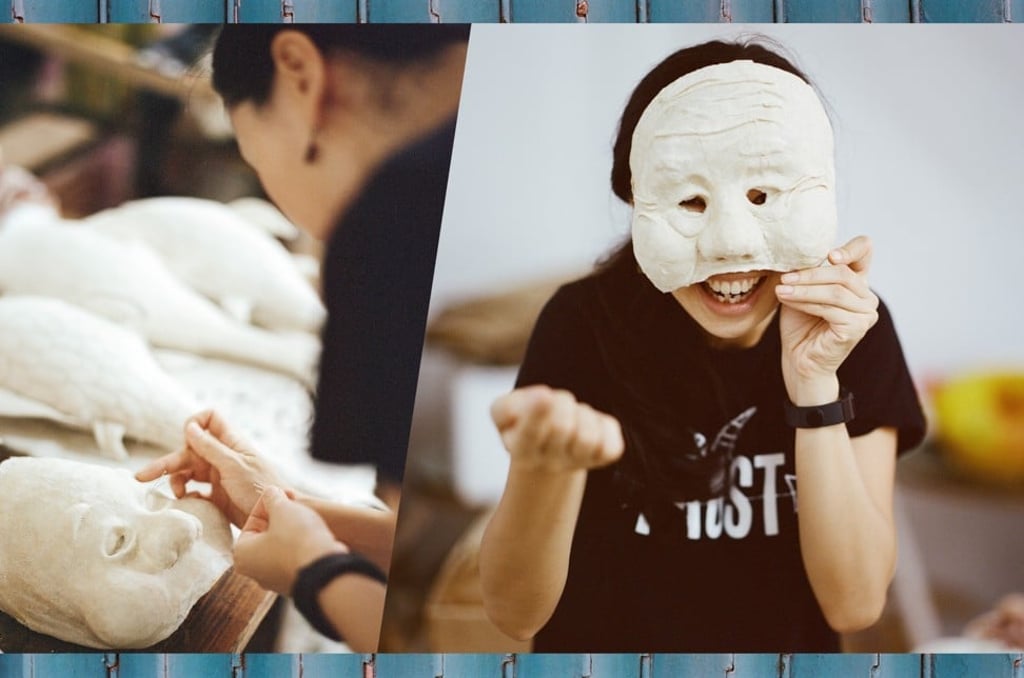
Many of the performers are visiting Macau for the first time and say they are looking for inspiration in folk traditions, artistic freedom, and the bonds that their craft enables.
Noteworthy tunes
Jason Kunwar, from Kathmandu-based folk band Night, said he was excited to perform “alongside wonderful artists from all around the world.” A festival newcomer, the group formed in 2006 to focus on playing lost and endangered Nepalese musical instruments: piwancha, sarangi or nyakhin. The instruments’ surprising names give an idea of what to expect.
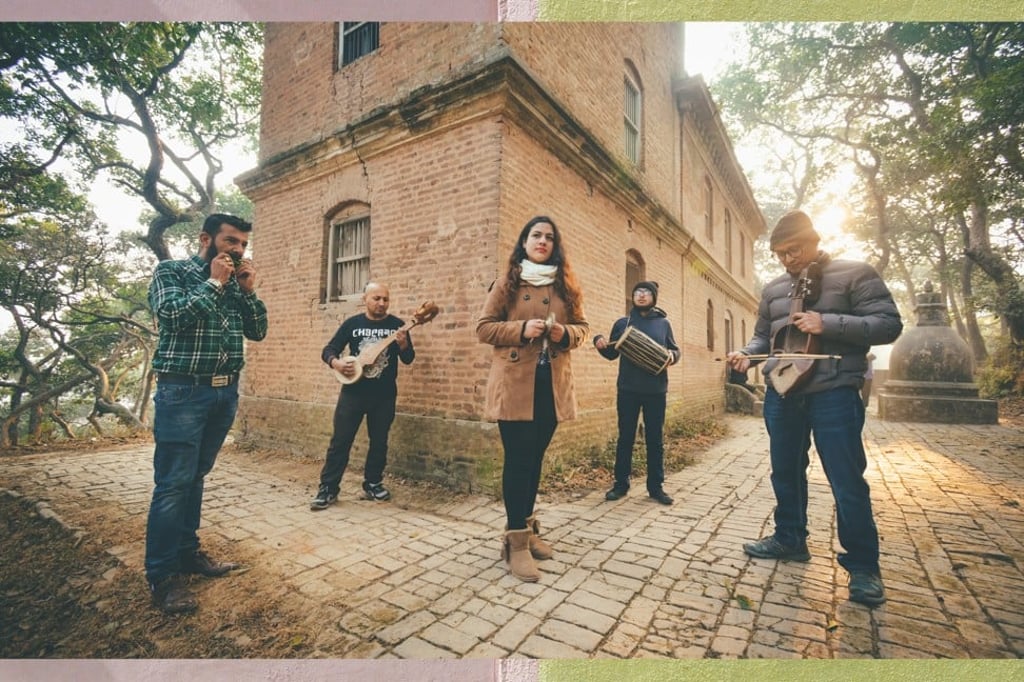
“The music-making process itself is fascinating. It is an outlet for imagination and intellectual curiosity,” said Kunwar. “There is always a sort of liberty and freedom to express one's true feelings that seem to be impossible to convey otherwise.”
A search for inspiration that began in Bulgarian folk music has led Yana Nikol, a flautist in Project Locréa, to explore global folk music. A combination of the words love and creativity, Locréa’s multi-ethnic composition mirrors its country of origin, the United States, with members from Bulgaria, such as Nikol herself, Argentina, Azerbaijan, China and America.
The music-making process itself is fascinating. It is an outlet for imagination and intellectual curiosity
The group combines traditional instruments such as the Chinese dulcimer, the Azerbaijani tar and Argentine bombo, with classical and jazz instruments from the West. The group will make its first trip to Macao, where it will perform twice.
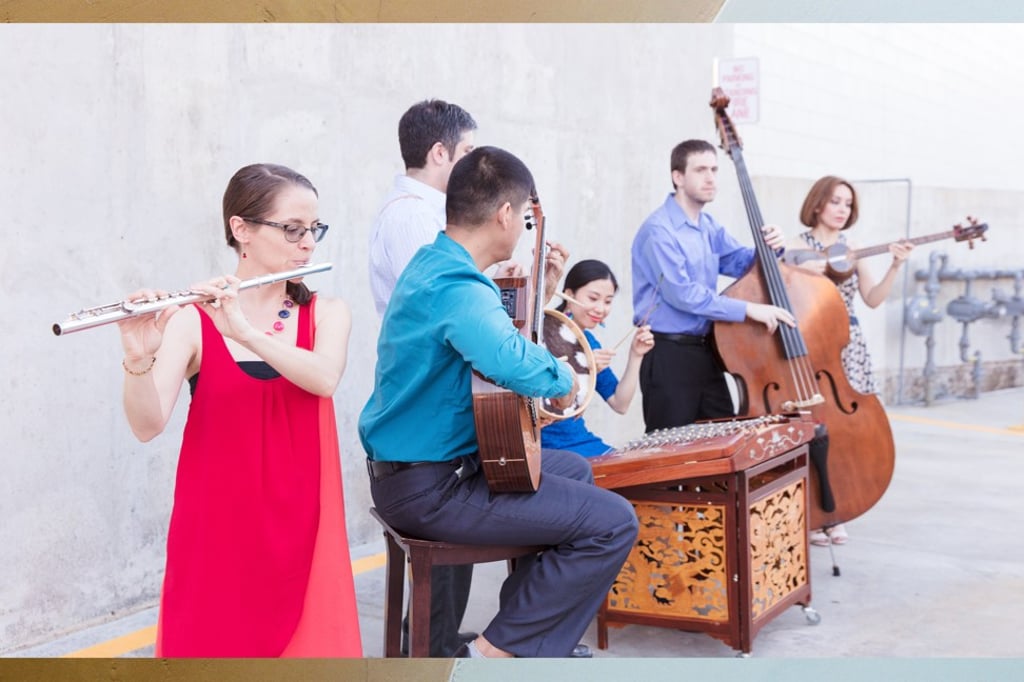
“It is all about bringing a deeper human connection through sharing our folk music. I am looking forward to good music, coffee and food, and meeting new musicians and everyone else,” says the Bulgarian musician.
The world’s a stage
While the audience is transported to distant lands, the city itself at festival time replicates a microcosm of cultural expression and encounters that reflect its centuries of tolerance.
[A Midsummer Night's Dream] will be performed at sunset and then slowly enter a totally dark environment, just like the original story happens in the dark forest.
A collaboration between the Hong Kong Repertory Theatre and Theatre Farmers from Macao at World Heritage-listed Mount Fortress promises a new, outdoorsy experience.
“What inspires me to stage A Midsummer Night's Dream is the stage,” says director Mike Chow Chiu-lun. “The show will be performed at sunset and then slowly enter a totally dark environment, just like the original story happens in the dark forest.”
Dance companies from Europe, China, Mexico, and Malaysia, among others, will also stage performances at outdoor venues.
Our young dancers have rehearsed a lot, with dancers who will gather from different countries and continents to communicate, share experiences, and become friends
Nino Lauretta, from Akragas Folk Dance Group in Sicily, Italy, says the company has been “trying to participate for a long time” and is eager to show audiences its Sicilian history and culture.
Russia’s Loktev Song and Dance Ensemble, whose choreographic group took part in 2016’s International Youth Dance Festival in Macao, is returning with its dance cast. The 80-year-old group has a repertoire that combines dance and songs of different peoples from around the world.
“Our young dancers have rehearsed a lot, with dancers who will gather from different countries and continents to communicate, share experiences, and become friends,” says Lektov’s Alexander Smirnov.
Into the spotlight
Shared experiences with a diverse crowd is one reason Chan Chon, a 20-year-old Macao resident, wants to become a professional dancer. “There is currently more demand than supply in town, and the salaries are attractive,” he says.
I know that any quality events are greeted with tremendous enthusiasm by the young people of Macao, who often appear to want to have more of these than are currently available
It seems young, amateur and aspiring artists benefit from the festivals, which, while not new, are for the first time being assembled under the Art Macao rubric. The new initiative is to be applauded and developed to its full potential after this inaugural year.
“I know that any quality events are greeted with tremendous enthusiasm by the young people of Macao, who often appear to want to have more of these than are currently available,” says Patricia Thompson, a professor and trained musician with an extensive resume.
Chloé Faulon and Vítor Lau, who have acted with Doci Papiaçám di Macau, a troupe that performs in a Macao creole called Patuá, share the enthusiasm as they see such events as encouragement to pursuing artistic endeavours.
“It is always a good thing to explore the theatre scene in Macao, and this type of festival brings out the hidden talents of people in the city,” said Lau. For Faulon, 14, pursuing a career in theatre is out of the question but she would be open to joining workshops.
Providing young artists with an opportunity to perform is an important function of the festival. “Macao does not have a school or academy of performing arts dedicated entirely to this creative area, although some courses are incorporated within other programmes,” says Lúcia Lemos the president of Creative Macau, a non-profit organisation that supports Macao-based artists.
For Lam, the value of theatre for youth is “unbeatable.” “It is the age when they learn to express their personality and ideas towards the world. Art provides this tunnel for them and also for the rest of society to get in touch with their thoughts,” she says.
The youth festivals will become cultural promotions for Macao according to Maria Helena de Senna Fernandes, the director of the Macao Government Tourism Office. “The festivals have been a great way for young non-professional performing artists from Macao and around the world to exchange and unleash their talent,” she said.
“Since many of the performances are staged in our heritage and other well-known sites, the events have also become a colourful offer for residents and visitors to enjoy.”
Interested in further exploring Macao as an art and cultural destination? Visit our Uncover Art Macao page.