Master puppeteers show pulling power of Chinese Culture Festival’s mix of old and new
Hong Kong’s annual celebration of national heritage blends traditions with innovation in over 290 performances as attendances reach 960,000

Master puppeteers left an audience entranced with their spectacular lion dance as they pulled the strings of two marionettes resembling orange-and-gold lions while performing one of China’s most celebrated ancient art forms.
The affectionate mother lion and her cub leapt and twirled nimbly across the stage as three puppeteers moved with elegant kung-fu-like precision, manipulating the marionettes’ movements with deft tugs on dozens of fine silk threads.
It was a special performance of Ancient Chinese Puppetry with Timeless Charm – a production featured in Hong Kong’s four-month-long annual Chinese Culture Festival – for about 300 young children at Sai Wan Ho Civic Centre on Hong Kong Island.
After the show, the children eagerly asked questions of the performers – all members of the Quanzhou Marionette Show Inheritance and Protection Center, from the city of Quanzhou in southern China’s Fujian province – and even tried their hands at moving the puppets.
It was also one of more than 30 interactive workshops and performances attracting up to 8,000 youngsters, teachers and community members, which formed part of the festival’s “Chinese Culture for All: A Special Performance Series” of presentations introducing different art and culture to the community.
One of the festival’s core aims is to ensure the nation’s traditional art forms reach modern audiences of all ages, while “contributing to the inheritance, transformation and development of traditional Chinese culture in Hong Kong”.
From spectators to participants
The festival, first held last year, was organised by the city government’s Leisure and Cultural Services Department to “promote fine Chinese culture and enhance the public’s national identity and cultural confidence”.
This second edition, which ended in September, featured over 290 performances and activities by artists from across the Chinese mainland and Hong Kong and with total attendances reaching 960,000. The four-month celebration showcased everything from Peking opera enhanced with digital technology to contemporary dance interpretations of classical poetry.
“During last year’s inaugural edition, we saw that visitors, particularly the younger generation, sought deeper engagement with cultural experiences,” Veron Lam, chief manager of the department’s Cultural Presentations Section, said. “Therefore, the second edition has enhanced elements such as workshops, demonstrations and community outreach, transforming participants from mere spectators into active contributors to cultural heritage.
“This shift from ‘observing’ to ‘experiencing’ meets the new expectations of contemporary audiences for cultural events on a deeper level.”
Embracing traditions through innovation
Beyond hands-on programmes, the festival’s main stage productions showed how classical arts can thrive through creative reinterpretation.
The festival’s emphasis on innovation was evident from the opening programme, Dongpo: Life in Poems, which used modern dances to reimagine the life and poetry of Su Dongpo, a Northern Song dynasty (960-1127) literary giant.
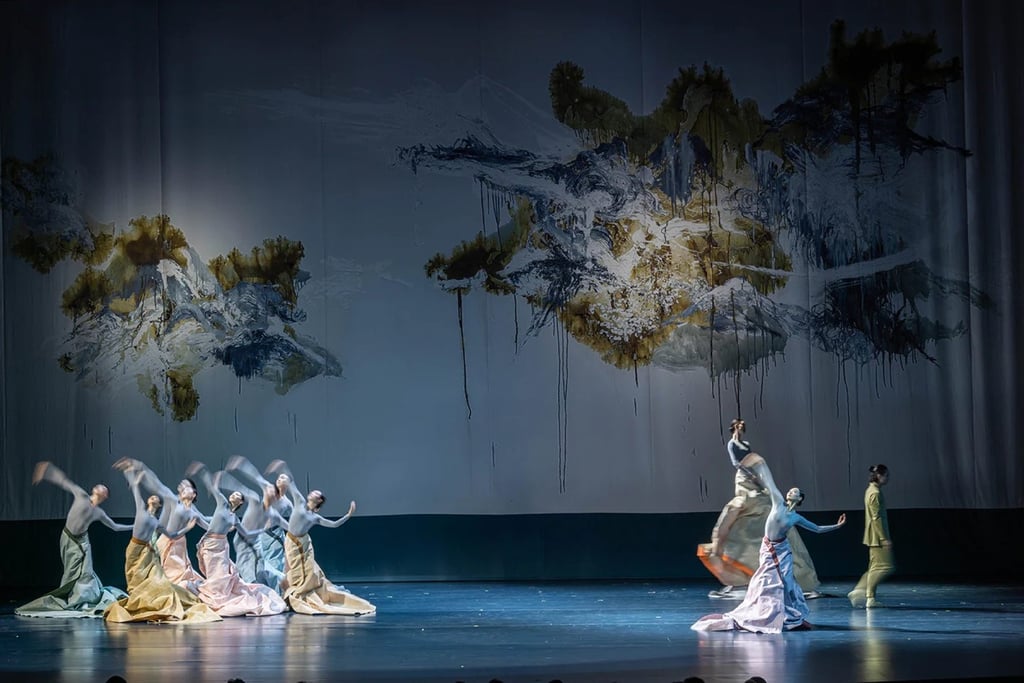
The performance by the prestigious China Oriental Performing Arts Group blended Su’s work with various Chinese art forms including martial arts, traditional and contemporary music, calligraphy and landscape painting.
“This approach made abstract poetic imagery tangible,” Lam said. “Together with powerful visual projections, the performance vividly conveyed Su Dongpo’s sentiments, humanity and patriotism through a contemporary lens and an international perspective.
“It perfectly embodies the principle of the festival, upholding traditions while embracing innovation.”
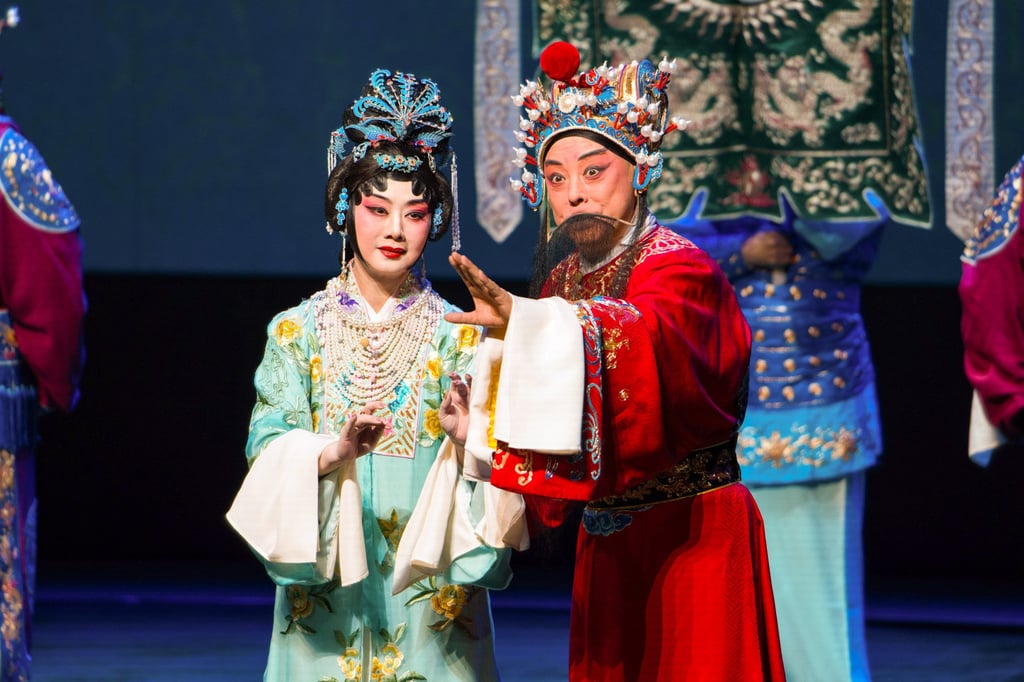
Another highlight, Cession for Consolidation of the Song Regime by the China National Peking Opera Company showed how classical arts can stay relevant – and even thrive – through modern interpretation.
Developed over two years, the production creates a new Peking opera masterpiece by fusing modern visual elements and storytelling to present an account of the life of Qian Chu, who was the last ruler of Wuyue during the turbulent Five Dynasties and Ten Kingdoms period of China from 907 to 979.
The experience has been enhanced by modern theatre technology and aesthetics including the set design and audio effects, while virtuosos such as Yu Kuizhi and Li Shengsu showcased their traditional opera techniques that have been perfected from decades of practice.
In another sold-out performance, August’s dance drama A Dream of Red Mansions saw a new generation of creatives breathe new life into a timeless literary classic.
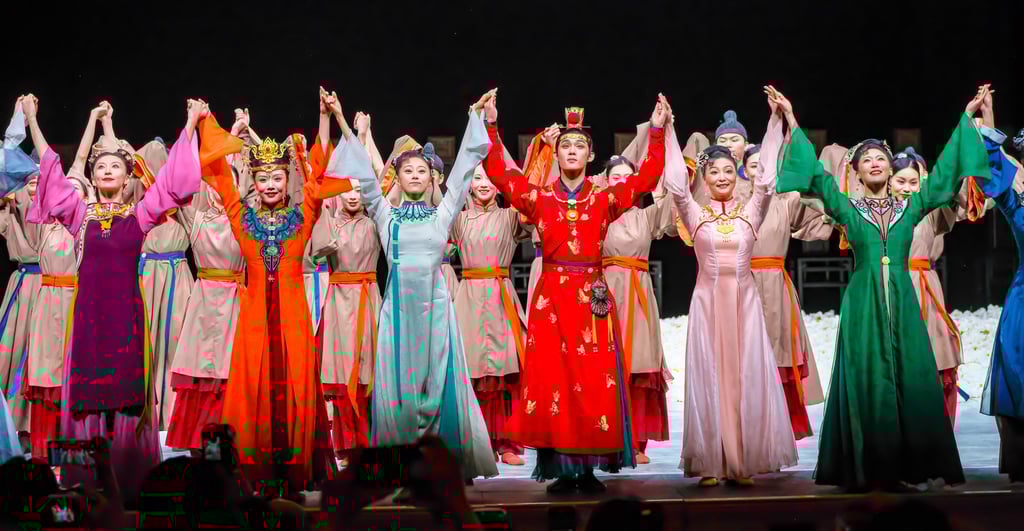
The love triangle between Jia Baoyu, Lin Daiyu and Xue Baochai depicted in the 18th-century Chinese novel Dream of the Red Chamber was given a modern, emotional reinterpretation through graceful dance scenes that resonated with contemporary audiences.
Chinese heritage carried on by the young minds
Another successful programme targeting a younger audience was July’s concert, titled Innovative Music-making Journey to China: MO x e-Orch, created by about 80 local primary school pupils, who are learning about digital music and part of a special music training programme run by the Leisure and Cultural Services Department’s Music Office in collaboration with the Education University of Hong Kong (EdUHK).
Four digital music orchestras (e-Orch), formed by the children, combined music and technology to perform both original compositions inspired by Chinese culture and rearrangements of traditional scores performed with the Music Office’s Chinese music and string ensembles.
“I found the programme very innovative and energetic,” said Ho Sze-wai, a conductor of participating St Rose of Lima’s School, who is a trainee teacher at EdUHK.
“Traditional Chinese music may sound stuffy and even boring for young people. The integration of technology makes it sound more interesting and engaging. It’s a playful way to help pupils understand and encourage them to continue the heritage.”
A city that ‘embraces diversity’
Award-winning musician Zhao Taisheng, principal sanxian player with Hong Kong Chinese Orchestra, said the beauty of Chinese Culture Festival lies in its diverse offerings.
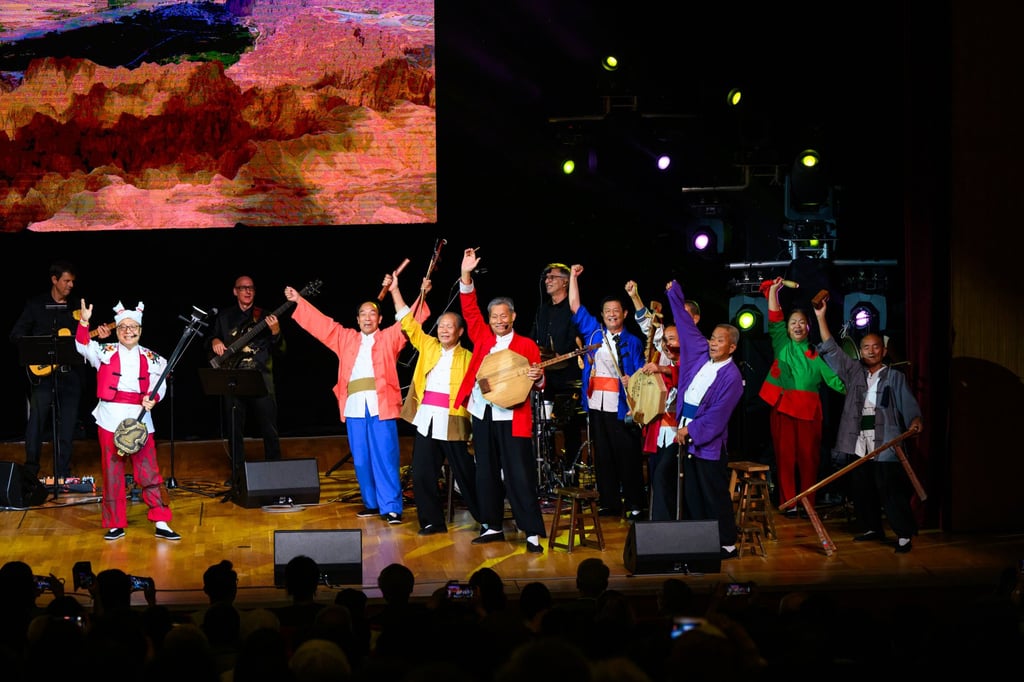
“In this festival, you can find ancient Chinese music sharing the spotlight with modern jazz,” he said, adding this included Chinese ancient rock ‘n’ roll, or Huayin Lao Qiang – a tradition of rhythmic, lusty folk singing and narration dating back over 2,000 years – now recognised on the National Intangible Cultural Heritage List. “That diversity is fitting for Hong Kong, as it’s a city that embraces hundreds of rivers. It’s truly an inclusive metropolis.”
Zhao, named Artist of the Year (Music) at last year’s Hong Kong Arts Development Awards, performed at the festival alongside the visiting Shaanxi Huayin Lao Qiang Troupe and members of a jazz band in a concert titled Taisheng and Huayin Lao Qiang: Big Uncle, Second Uncle are All His Uncles and organised by the China Federation of Literary and Art Circles Hong Kong Member Association.
Festival ‘evolves with community’
Lam said: “Through creativity, the second edition of the festival has preserved the profound essence of Chinese culture while addressing the needs and preferences of modern audiences. This has laid a solid foundation for establishing the festival as one of Hong Kong’s flagship annual cultural events.”
The festival’s success was achieved thanks to the joint efforts of the government, cultural institutions, business sector and the community, she said.
“This year, the Agricultural Bank of China Hong Kong Branch and non-government organisations Chamber of Young Snow and Paso a Paso Foundation have supported highlighted programmes and special events for the Chinese Culture Festival.
“Sun Hung Kai Properties also provided the venue and promotion for the ‘Encountering Chinese Culture’ Carnival. We are very grateful for all the support from these partners and organisations, as well as friends from the media.”
Lam said next year’s edition will build on this year’s success and continue its mission to make traditional Chinese culture accessible and engaging for contemporary audiences.
The organising team had already begun planning enhanced community outreach programmes and exploring new ways to involve Hong Kong’s younger generation as active participants in cultural conservation, she said.
“We’re committed to ensuring the festival evolves with our community while staying true to its core purpose,” Lam said. “Each edition will bring fresh perspectives on our rich Chinese culture to our audience.”