The truth about ‘Zhangjiang nan’ – China’s version of the Silicon Valley tech guy
- The country’s internet is rife with memes stereotyping the young men who work and live in Zhangjiang Science City, a tech hub in Shanghai
- Two of them set the record straight, showing how they represent what is actually a diverse group with a broad range of interests
In the West, the term “tech geek” instantly conjures up a certain image. It could be the black turtleneck-and-jeans ensemble made iconic by the late Apple CEO Steve Jobs, or an ever-present hoodie in the style of Facebook’s Mark Zuckerberg. But you know one when you see one, thanks to TV shows like HBO’s Silicon Valley and CBS’s The Big Bang Theory immortalising this type of look.
In China, the equivalent could very well be the young men who work and live in Zhangjiang Science City, a thriving centre of innovation considered to be Shanghai’s version of Silicon Valley, which covers 220 sq km (84.9 square miles) in the city’s Pudong district. Called Zhangjiang nan, which literally translates to “Zhangjiang guy”, the stereotype has already gained plenty of attention in Chinese popular media.
“I learned of Zhangjiang nan from the internet even before moving here two years ago,” says Liu Ge, 30, who does marketing for an IT company in the area.

“They are said to be dressed in checked shirts most of the time, always on their computers, awkward in social situations and frequently have to work overtime,” she explains.
Chen Jiehong, 29, admits to regularly working overtime in his role as a product manager. “It’s not unusual for me to get off at 8pm or 9pm,” says the Shanghai native, who moved to Zhangjiang in October last year.
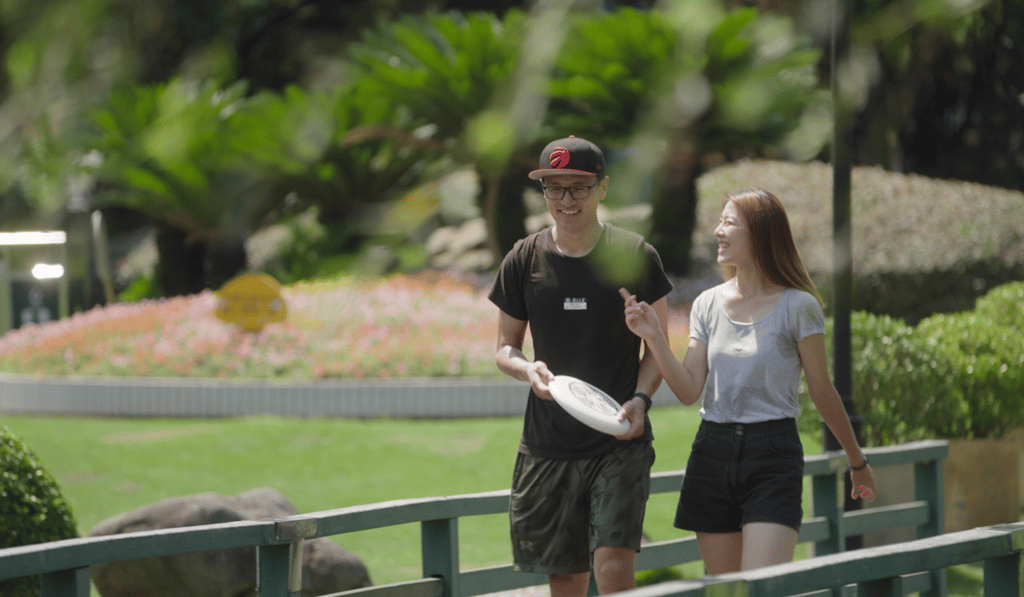
That being said, Chen plays hard as well, proving that this internet stereotype may not hold up. “Zhangjiang nan are said to be homebodies and not into sports,” says Chen, who plays frisbee for one of Shanghai’s top frisbee clubs, enjoys basketball and is also a self-described extrovert.
“[The stereotype] is rather exaggerated,” he adds. “I think the term Zhangjiang nan does not define all the men here – we are actually a very diverse group, and come in with different characteristics.”
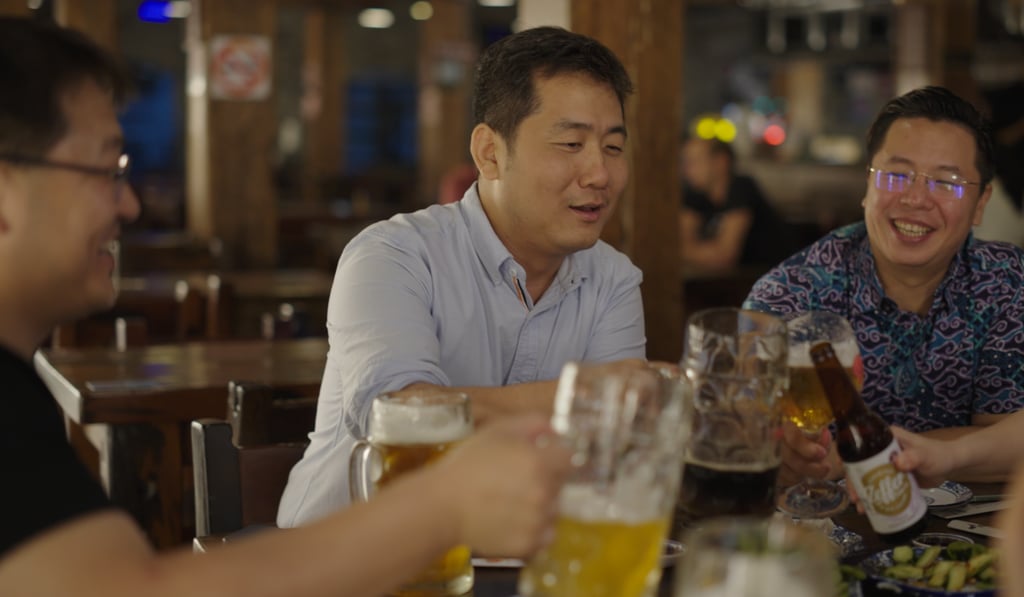
Andy Li, who runs his own fintech start-up, moved to Zhangjiang from Singapore, where his company was originally based, last year amid the Covid-19 pandemic. At first glance, Li may seem to perpetuate the stereotype, especially with his day-to-day wardrobe of same-style Uniqlo T-shirts in a range of colours – supposedly another common practice among Zhangjiang nan.
Looking beyond the surface, however, this Zhangjiang nan is far from socially awkward. Li calls himself a “pretty social dude” who enjoys dining out as much as he likes cooking at home.
“I am even the go-to person for restaurant recommendations among my social groups,” he says.
Li, 38, who was born in Tianjin, a city in northeast China, and also lived in Malaysia and Thailand before returning to his home country, finds the Zhangjiang hustle and spirit inspiring. “The people are really hard-working here, which in turn motivates me to also keep moving,” he says.
That is perhaps why he does not find the Zhangjiang nan label to be even remotely offensive. “These days, the term has a positive image, referring to men here who are driven and dedicated – not just at work, but also in their personal lives,” Li says. “It implies a passionate and creative spirit, so I’m OK to be called one.”
Liu, who hosts a social platform for people in Zhangjiang to meet, communicate and possibly date, agrees that there is a new view of Zhangjiang nan. “They are husband material – hard-working, but devoted to family,” she says. “They also represent excellent qualities – they are focused, logical and caring.
“We should see them as a whole, instead of labelling them.”
Watch the video, in which we debunk the Zhangjiang nan myth.