Sun-worshippers' delight: digital era takes the guesswork out of the search for the fountain of youth
Connected technologies have the potential to transform how we monitor skin's exposure to external factors, such as harmful ultraviolet rays

Humans have a love-hate relationship with the sun. It warms the skin, nourishes the body, and makes us feel good in spades – but that slow roasting also hastens the ageing process and, in excessive doses, can lead to skin cancer.
Safe exposure to sun requires a quality sunblock and, in summers of the future, technology may take the guesswork out of when to re-apply.
It also heralds the entry of technology into the beauty sector: specifically, wearables designed to keep us looking younger.
L’Oréal’s patch is a transparent adhesive which, unlike the rigid wearables on the market, stretches and adheres directly to the skin. Measuring around one square inch, and half the thickness of an average strand of hair, the patch contains photosensitive dyes that factor in the baseline skin tone and change colours to indicate varying levels of sun exposure.
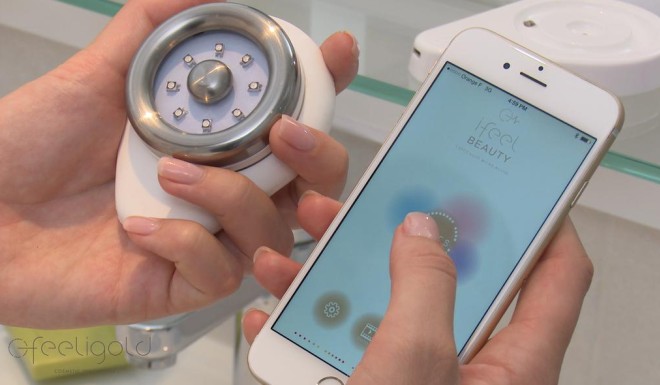
Sun worshippers will be able to take a photo of the patch and upload it to a mobile app, which analyses the data. Eventually, the aim is to give the wearer personalised, après-sun beauty advice, including the best rejuvenating products to suit their complexion.
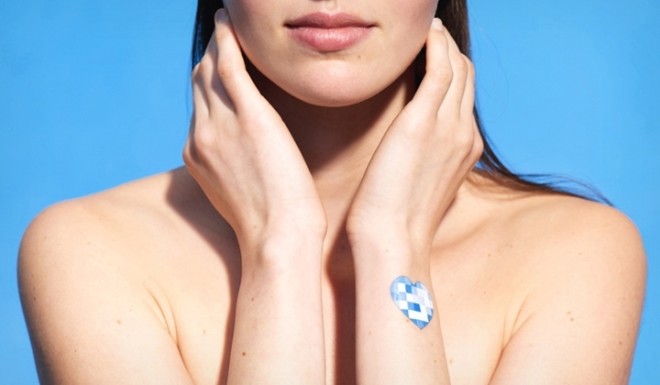
“Connected technologies have the potential to completely disrupt how we monitor the skin’s exposure to various external factors, including UV,” says Guive Balooch, global vice-president of L’Oréal’s Technology Incubator, a business division dedicated to technological innovation.
Previous technologies could only tell users the amount of potential sun exposure they were receiving per hour while wearing a rigid, non-stretchable device, Balooch explains.
“The key was to design a sensor that was thin, comfortable and virtually weightless, so people would actually want to wear it. We’re excited to be the first beauty company entering the stretchable electronics field and to explore the many potential applications for this technology within our industry and beyond.”
My UV Patch was developed in conjunction with MC10, a leading stretchable electronics company innovating to create intelligent, stretchable systems for biometric health care analytics. It is expected to be available to consumers later this year.
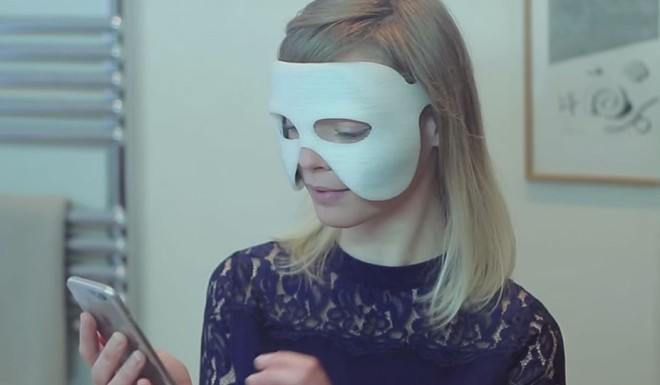
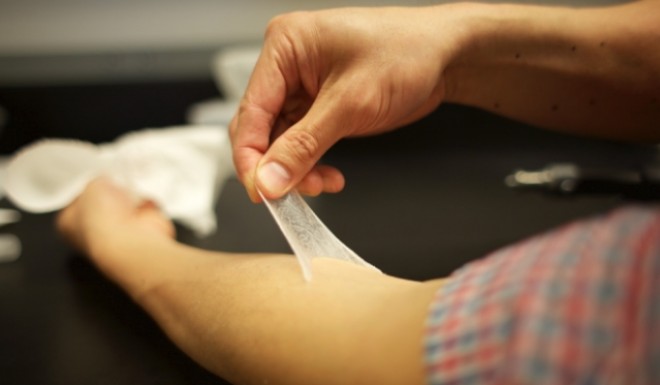
The material, a silicone-based polymer that could be applied on the skin as a thin, imperceptible coating, mimics the mechanical and elastic properties of healthy, youthful skin. In tests with human subjects, the researchers found that the material was able to reshape “eye bags” under the lower eyelids and also enhance skin hydration. This type of “second skin” could also be adapted to provide long-lasting ultraviolet protection, the researchers say.
“It’s an invisible layer that can provide a barrier, provide cosmetic improvement, and potentially deliver a drug locally to the area that’s being treated. Those three things together could really make it ideal for use in humans,” says Daniel Anderson, an associate professor in MIT’s department of chemical engineering and a member of MIT’s Koch Institute for Integrative Cancer Research and Institute for Medical Engineering and Science.
Humankind has been searching for the fountain of youth for centuries. Perhaps now, the digital era can deliver.