How future scientists and innovations are encouraged for the greater good
Rolex teams up with the CERN and Society Foundation to inspire interest in science and also supports breakthroughs tackling global challenges

Every day, innovative individuals and organisations are conducting important research that can help safeguard the planet and its population against challenges related to health, safety and climate change. Rolex is a staunch supporter of such projects, having launched the Perpetual Planet Initiative in 2019 to champion groundbreaking discoveries and technologies that are making a positive impact across the globe.
The Swiss watchmaker recognises the importance of not only making science more accessible, but also inspiring young people to take an interest in the subject. To that end, Rolex has been working with the European Organization for Nuclear Research, also known as CERN – based in Meyrin, a suburb of Geneva, Switzerland – on its educational mission to nurture the next generation of scientists.
Investing in the future of science
Researchers working at CERN, the world’s leading particle physics laboratory that was established by European governments in 1954, have achieved many significant scientific breakthroughs over the years.
One of the most notable discoveries, in 2012, is the Higgs boson particle, also called the “God particle”, regarded as one of the biggest recent breakthroughs in the field of physics as it has deepened our understanding of how matter is formed. Other milestones achieved at CERN include British computer scientist Tim Berners-Lee’s invention of the internet in 1989, and the pioneering development of touch-screen technology in the 1970s.
Rolex and CERN have long shared a passion for exploration and discovery. Their partnership dates back to 1956, when Rolex asked CERN scientists to help test a new watch designed to withstand strong magnetic forces like those used in a particle accelerator.
Today, the watchmaker is also a title partner of the CERN and Society Foundation, a charitable entity established by the organisation in 2014 to help promote its scientific accomplishments to the public.
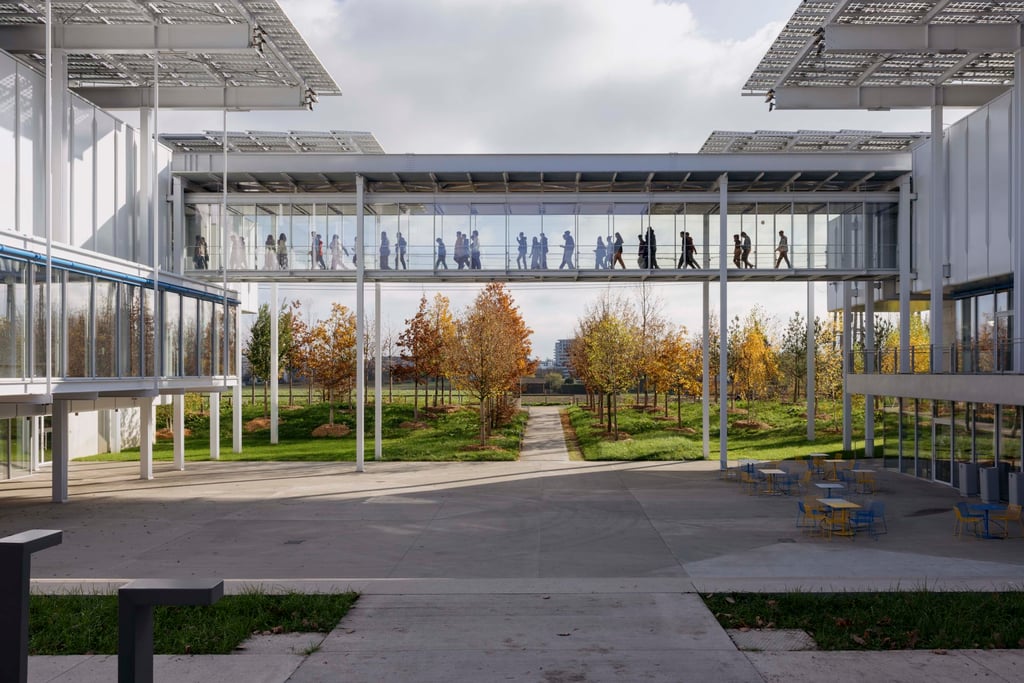
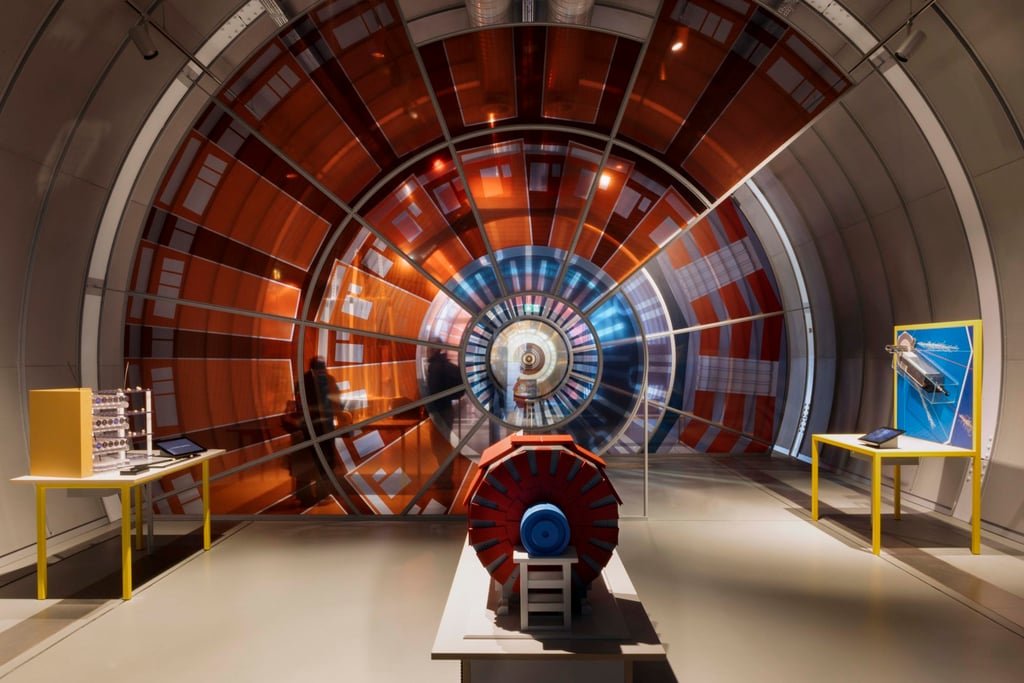
Most recently, Rolex supported the construction of the foundation’s education and outreach centre, the CERN Science Gateway. Opened in October 2023 in Meyrin, the carbon-neutral building designed by Italian architect Renzo Piano hosts an array of interactive multimedia exhibitions, hands-on lab workshops and other educational events aimed at inspiring visitors to become more curious about science and the universe. In its first year of operation, CERN Science Gateway received about 390,000 international visitors.
The CERN and Society Foundation is also inspiring young people to immerse themselves in the field of science through its annual Beamline for Schools Competition, which is just one of the many educational activities supported by the Rolex Perpetual Planet Initiative. The competition gives secondary school students from around the world an opportunity to visit CERN to conduct a particle physics experiment they have proposed.
The winning student teams also get the chance to test their hypotheses in an actual beamline – the path in a particle accelerator that leads the particles to an experimental area. Last year, 461 teams from 78 countries submitted proposals.
Markus Joos, the competition’s technical coordinator, says development is a key part of the students’ experience at CERN, whether they go on to work in an academic field or apply the problem-solving skills they have learned in a different industry. “Young scientists very quickly get specialised, but here they do everything from electronics to communication,” he says. “If the students grow, for me, that’s as important as the scientific knowledge.”
Supporting pioneering research with a global impact
For more than 40 years, Rolex has presented its Rolex Awards to inspiring individuals who have developed innovative projects that help make life on the planet better. The Laureates receive support from Rolex so they can continue to work on solving the pressing problems that affect the well-being of people and the environment.
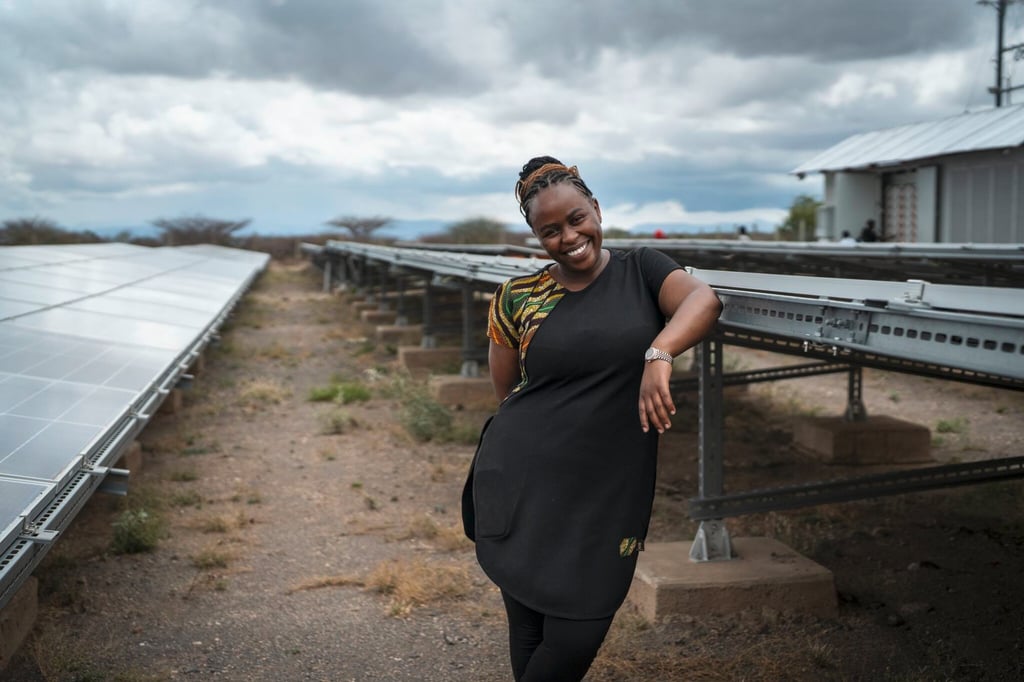
One such Rolex Laureate is Kenyan entrepreneur Beth Koigi, co-founder of the social enterprise Majik Water. Her organisation installs solar-powered atmospheric water generators (AWGs) that extract water from the air, which is then filtered and mineralised to generate up to 500 litres of fresh water per day. About 30 AWGs have been deployed in arid regions of Africa, producing more than 200,000 litres of water per month to communities affected by severe droughts.
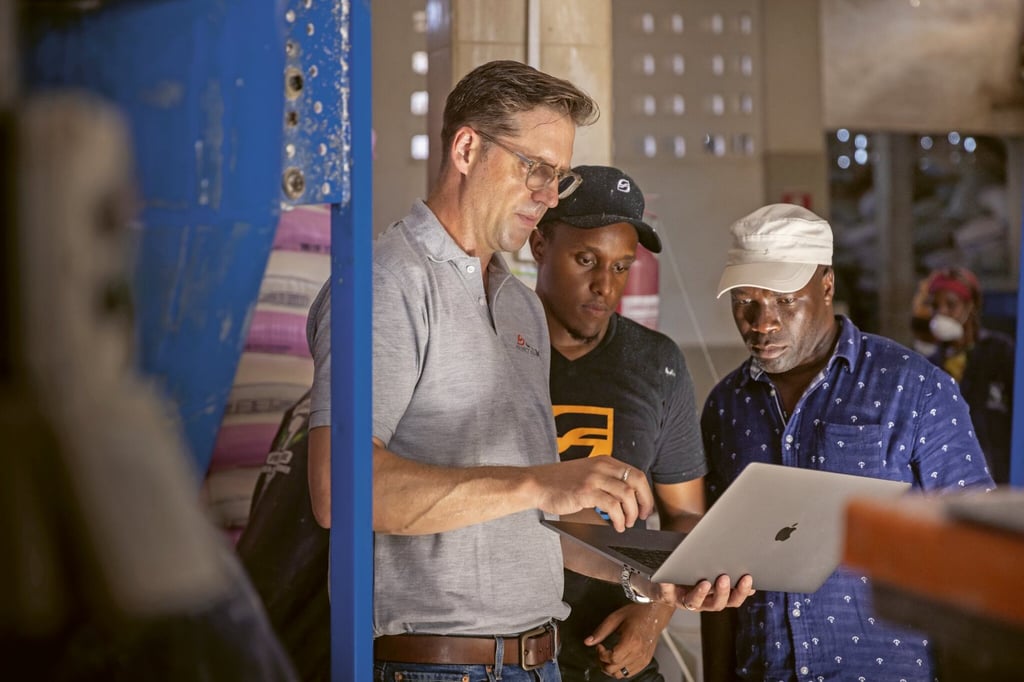
Another Laureate, Felix Brooks-church, is an American who co-founded the social enterprise Sanku to combat malnutrition in Africa. Sanku equips flour mills with “dosifier” machines, which allow each bag of flour to be fortified with essential nutrients. Brooks-church used the prize money he received from Rolex to buy 40 extra dosifiers, which produce enough enriched flour to feed up to 200,000 people.
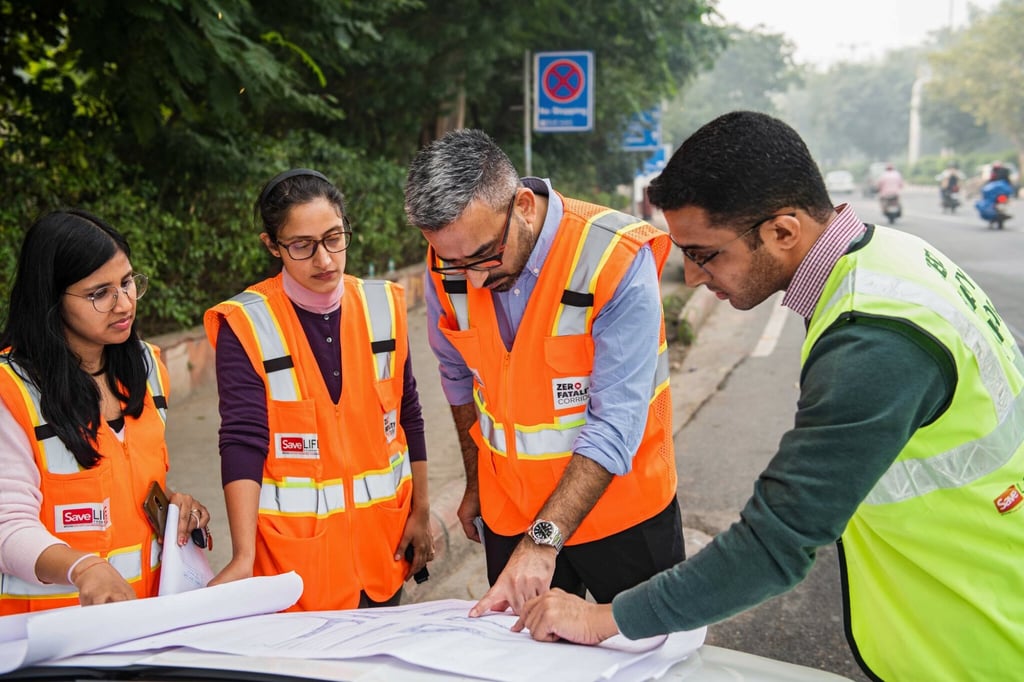
Indian social entrepreneur Piyush Tewari’s data-driven approach to improving road safety in his home country earned him a Rolex Award. Following the death of his cousin in a road accident, this Laureate launched the SaveLife Foundation to help reduce the number of preventable deaths caused by such incidents. The foundation research has helped identify and improve thousands of engineering issues on India’s busiest motorways. It also provides first-aid training to police officers and volunteers, with Tewari estimating that it has helped to save the lives of more than 350,000 people.
The Rolex Award enabled Miranda Wang to develop her scientific solution to the growing global problem of plastic waste. The Canadian entrepreneur’s company, Novoloop, is a pioneering recycling technology start-up that transforms plastic waste into industrial-grade chemicals, which can be used to manufacture new products like sports goods and car parts.
Other Rolex Laureates are actively addressing healthcare-related issues through groundbreaking research and technologies. French neuroscientist Grégoire Courtine has made major breakthroughs in bioengineering technologies to treat spinal cord injuries. At NeuroRestore, the research and treatment centre he founded in Switzerland, he developed an implant that has helped several spinal injury patients regain mobility.
In Pakistan, Sara Saeed is changing the way healthcare is delivered in remote parts of the country while also giving her fellow women doctors a way to continue practising medicine after marriage. She co-founded Sehat Kahani, a telemedicine service that connects underserved communities to home-based women doctors for digital screenings and online consultations.
British ophthalmologist Andrew Bastawrous has long been dedicated to bringing eye tests and treatments to people in developing countries across Africa. He created Peek Vision, a social enterprise focusing on eye health, and later developed a smartphone app that can be used to conduct eye exams in any location and identify cases to refer for further treatment. Peek Vision has since expanded to Asia, and more than 500,000 people now benefit from the app each month, thanks to funding from the Rolex Award that allowed Bastawrous to scale up his organisation’s operations.
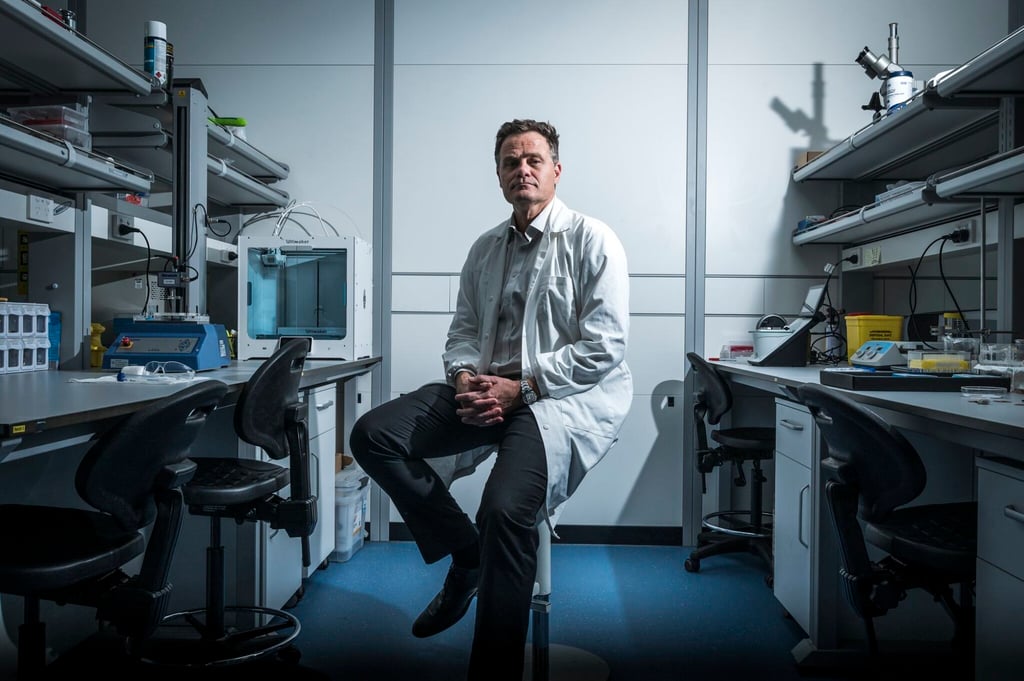
The financial support provided through the Rolex Award also allowed Australian biomedical engineer Mark Kendall to test the Nanopatch, his invention that delivers vaccines through a sticker placed on the skin. He is now applying his expertise from that project to develop wearable sensors that can monitor vital signs and provide early warnings for conditions such as a heart attack.
“The journey would not have happened without the cataclysmic effect of the Rolex Award,” Kendall says. “It encouraged me to be even more enterprising, braver in what I undertook. It also brought me in contact with the most amazing people, including experts who look far beyond the horizon at the challenges that lie ahead.”