Human capital: Asia’s decisive advantage in the energy transition
The pace of Asia’s energy transition will be set not only by capital and technology but also by the workforce that delivers it

[The content of this article has been produced by our advertising partner.]
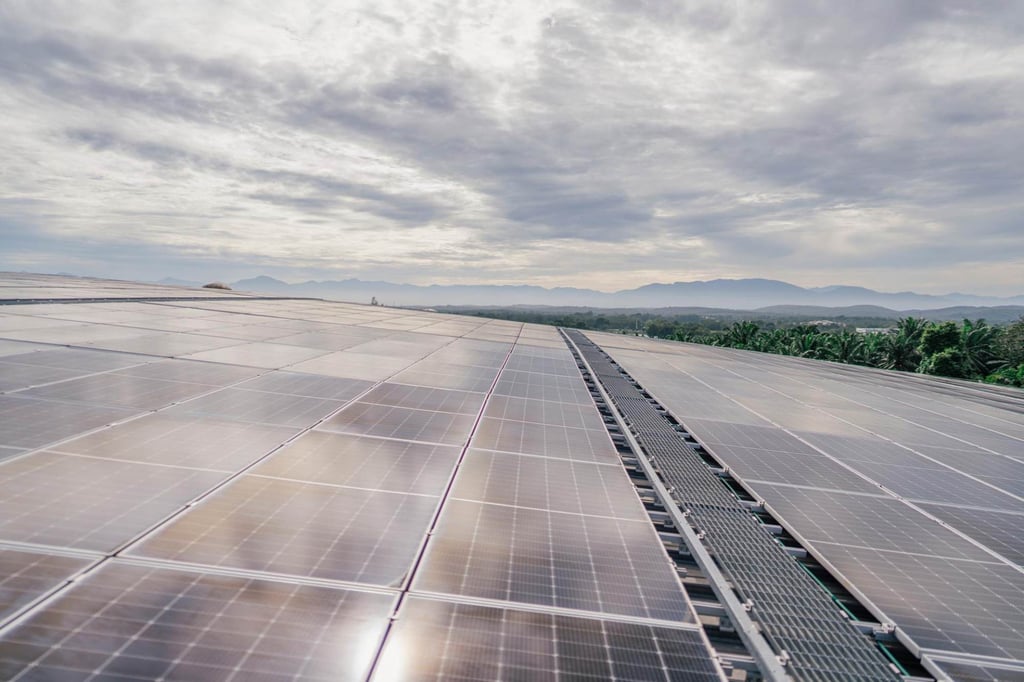
Asia is scaling renewable power, electrification and clean manufacturing faster than any other part of the world. Yet the pace is outstripping the availability of skilled workers, creating a bottleneck that could slow progress towards net zero.
Global renewable energy jobs reached 16.2 million in 2023, an 18 per cent increase year on year, driven largely by growth in solar energy, equipment manufacturing and power infrastructure, according to the “Renewable Energy and Jobs Annual Review” published by the International Renewable Energy Agency (IRENA).
Asia dominates this landscape. China alone accounts for an estimated 7.4 million renewable energy jobs – about 46 per cent of the global total – with solar representing nearly 4.6 million roles. India, despite being a net importer of renewable energy equipment, employs just over 1 million green workers, primarily across solar and hydropower.
Looking ahead, demand for talent is set to rise sharply as the International Energy Agency (IEA) projects that 14 million new clean energy jobs will be created in the coming decade, alongside the transition of 16 million workers from fossil fuel sectors into new-energy roles.
Yet behind these headline numbers lies a growing imbalance. Skills formation is lagging behind deployment as shortages across applied technical roles emerge, while competition for experienced professionals is driving up labour costs and stretching project timelines.
These realities were brought into sharp focus at Energy Asia 2025, held in Kuala Lumpur in June. Across discussions involving policymakers, industry leaders, energy professionals and academics, there was a consensus that Asia’s energy ambitions will not be met without a fundamental shift in how the region builds, mobilises and retains talent.
Experts emphasised that technical expertise is no longer sufficient: the future energy workforce must also master digital systems, automation, AI-driven optimisation and real-time energy management. Equally critical are leadership capabilities, project delivery experience and cross-disciplinary fluency that bridges engineering, finance, policy and community engagement.
At a system level, stronger coordination between policy, industry and education is essential. Solutions are emerging as governments across Asia are embedding workforce planning into national energy strategies.
Malaysia’s National Energy Transition Roadmap links technical and vocational pathways directly to projected energy demand; Singapore’s Green Skills Committee coordinates national standards and certifications; India’s Skill Council for Green Jobs is developing standardised competencies; and Indonesia’s SWIFT platform brings multiple stakeholders together to prepare workers for net zero.
academic institutions are reinforcing these efforts. Beijing’s Tsinghua University and North China Electric Power University are advancing specialised research and professional training, while universities across Asia continue to expand programmes in renewable engineering, sustainability finance and climate policy.
The private sector is also stepping up. India’s Adani Group has committed more than US$230 million to establish Schools of Excellence focused on green energy and advanced manufacturing. Meanwhile, PETRONAS – through its Energy Transition Academy (P-ETA) – is equipping the workforce to meet the challenges and opportunities of a low-carbon energy industry.
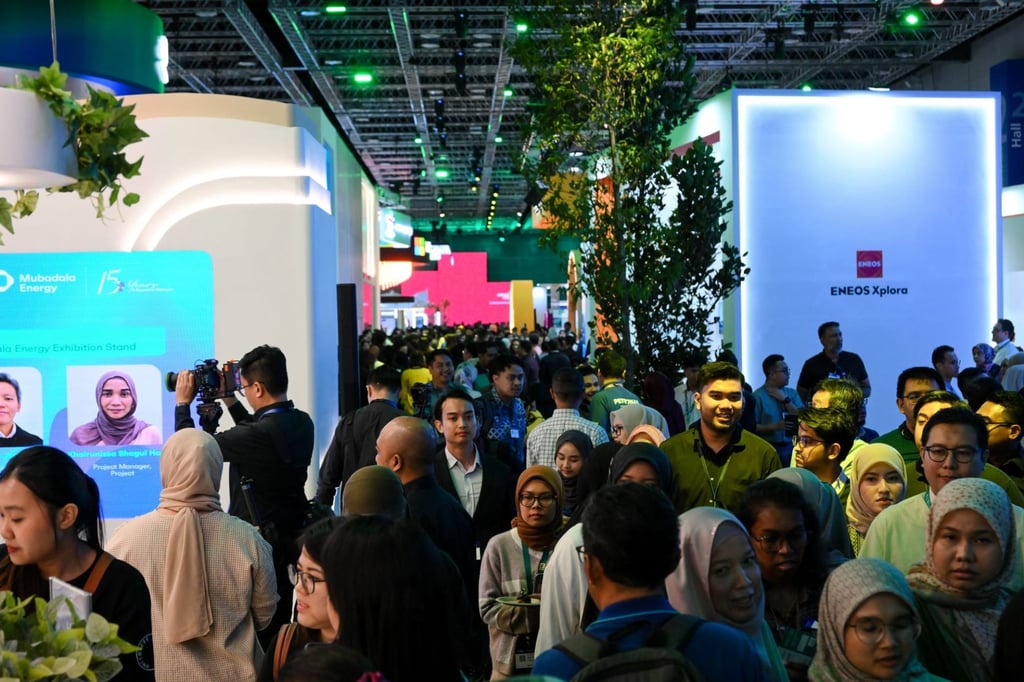
Alongside skills development, discussions at Energy Asia also looked at how companies attract and retain talent. As younger professionals increasingly prioritise purpose, flexibility and career mobility, traditional employee value propositions are being tested. Energy careers today must offer clear transition pathways, continuous learning, exposure to emerging technologies and a tangible role in building a low-carbon future.
Together, these initiatives illustrate a broader shift from fragmented approaches to integrated talent ecosystems. Governments, academia and industry are beginning to align policy, investment and training to ensure human capital scales alongside energy infrastructure. Meanwhile, platforms like Energy Asia provide spaces for practical dialogue, shared learning and solution-driven collaboration.
Asia has a rare opportunity: to not only lead in manufacturing capacity but also set the global standard in knowledge, innovation and technical excellence. Technology will continue to evolve and capital will flow, but it is people who will define the pace and success of the transition. Mobilising, reskilling and retaining the workforce is not just a supporting task: it is the cornerstone of Asia’s energy ambition.