A safe bet: how the Jockey Club’s responsible gambling benefits the community
The Hong Kong Jockey Club has been awarded the highest level international accreditation for responsible gambling five times in succession since 2011

It is no secret that Hongkongers enjoy a wager. The Hong Kong Jockey Club (the Club), which operates the city’s three legal betting services – horse racing, football and the Mark Six lottery – has been a revered Hong Kong institution for 140 years. But illegal gambling and its associated problems, such as credit betting, debt and crime, remain a persistent challenge, particularly during major international sporting events. To combat this, the Club actively collaborates with the government and law enforcement agencies to prevent and address unregulated betting activities.
“As the city’s sole licensed betting operator authorised by the Hong Kong government, we have robust frameworks in place to promote responsible gambling,” says Freely Cheng, the Club’s head of external affairs. “We enforce strict age verification, prohibit credit betting and provide self-exclusion options. We also train our staff to act in accordance with the responsible gambling policy and have a stringent approval process for new products.”
Indeed, the Club has been granted World Lottery Association Level 4 certification for the fifth consecutive time since 2011. This is the highest level of international accreditation for responsible gambling, positioning the Club as one of Asia’s leading operators dedicated to safe wagering.
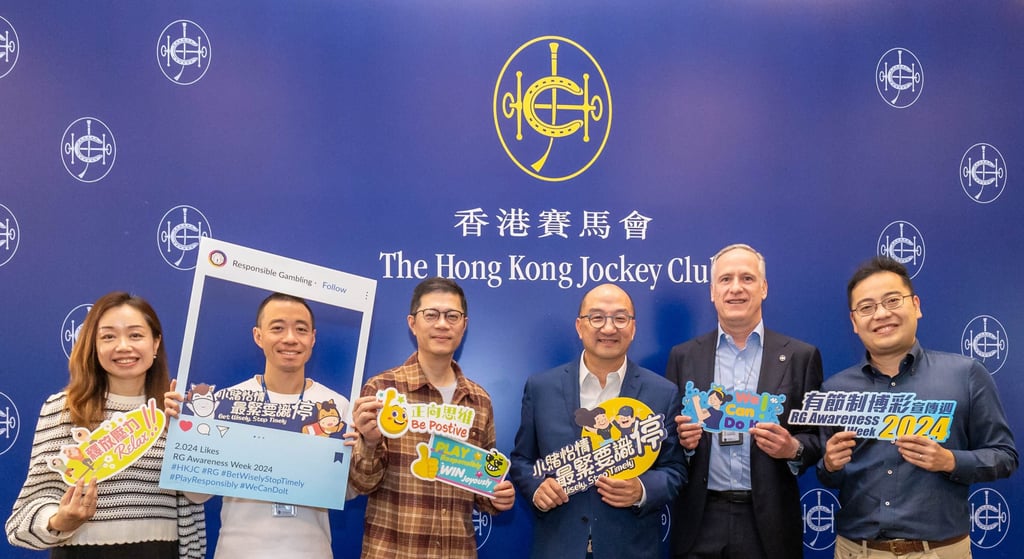
However, the Club’s purpose differs from that of other betting operators around the world, many of which are listed companies that aggressively market their wagering products to increase revenue. “We see ourselves as partners with the government and police, sharing resources in helping to combat illegal gambling activities,” Cheng says. The regulation of betting products, he adds, ensures that gambling proceeds benefit the community as a whole.
The Club has a unique integrated business model encompassing world-class racing and racecourse entertainment, a membership club, responsible sports wagering and lottery, and charities and community contributions. Through this, the Club channels betting proceeds back to the community, generating economic and social value. In 2003, for example, the Club allocated funding to the government to establish the Ping Wo Fund, which supports responsible gambling education with counselling and treatment services. As of 2024/25, the Club had contributed HK$631 million to the Ping Wo Fund.
The “Off-course Betting Branches Counselling Outreach Programme” offers another example of the Club’s commitment to responsible gambling. Organised by the Club with the support of four non-governmental organisations (NGOs) that operate the gambling counselling and treatment centres funded by Ping Wo Fund, the project was launched in 2017 and expanded in 2022 to cover all the Club’s off-course betting branches.
As gambling habits evolve, so too must the methods of outreach. “In the past, people sought help only when they hit rock bottom,” says Joseph Fung, a caseworker at Tung Wah Group of Hospitals Even Centre, one of the Club’s four partner NGOs. “Now, we focus on early detection, even before individuals realise they have a problem.”
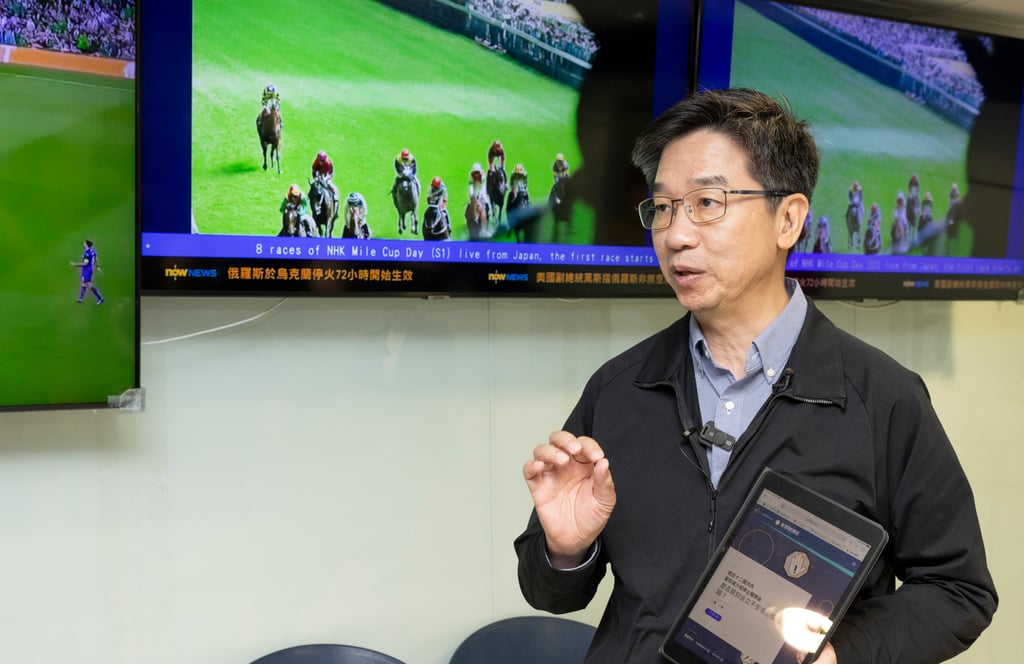
As part of the programme’s proactive approach, Fung and other counsellors make regular visits to off-course betting branches around Hong Kong to chat with bettors and look for behavioural warning signs, such as increased stress and anxiety, or feelings of guilt or shame about their habit. If symptoms are detected, the individuals are encouraged to join targeted counselling services.
The programme also provides support through social media, including guidance via WhatsApp messaging. Counsellors send participants biweekly messages that encourage them to reflect on their gambling dependency. By monitoring gambling frequency, amounts wagered and emotional responses, counsellors can tailor interventions to each person’s needs. “We reassess progress after three months. If needed, we extend the duration of the service further,” Fung says.
In treating gambling disorders, the outreach programme takes a creative approach. One particularly effective campaign addresses the so-called sunk-cost fallacy – gamblers’ tendency to continue betting to recoup their losses – with a light-hearted yet sobering reminder of how reckless gambling can leave them without enough money to cover basic food costs.

Beyond counselling, the Club supports financial planning and cyber wellness programmes for children and youths, including the four-year “Mighty Mind Wellness Programme” and three-year “FiNet Mind Programme” – targeting primary and secondary school students, respectively. The programmes are expected to benefit more than 80,000 students, teachers and parents.
“Our goal is to promote a positive way of living,” Cheng says. “We don’t just tell teens not to gamble, we teach them money management skills so they can make informed choices when they become adults.”
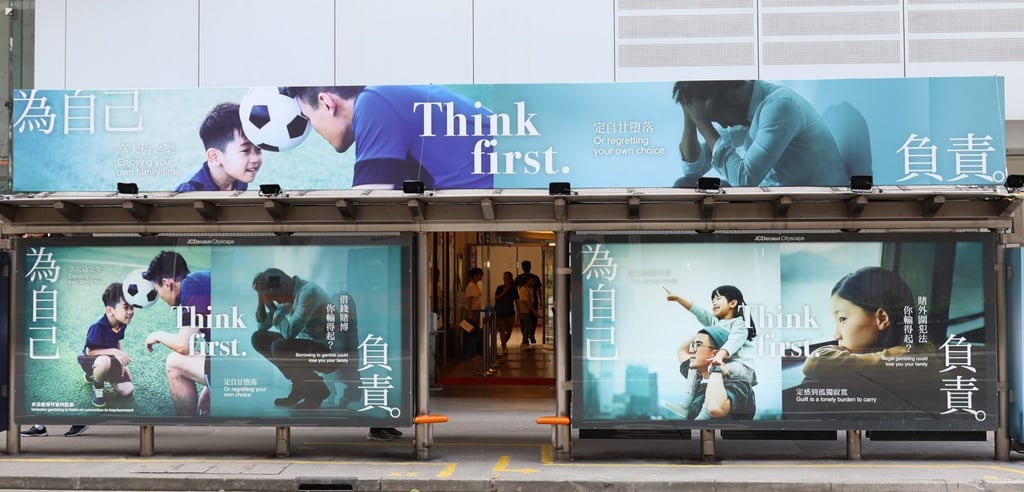
All the Club’s initiatives are made possible through its integrated business model, Cheng adds, which is “a force for social good”.
Fung echoes that sentiment, saying: “We want to help people regain control and find balance. Responsible gambling will allow them to reassess their priorities and to live fuller and healthier lives.”