Hong Kong entrepreneurs put pitching skills to the test with business magnate Allan Zeman
Given just 45 minutes and use of the Huawei MatePad Pro 13.2-inch, three business owners create presentations to be judged by the Lan Kwai Fong Group chairman
The life of a young entrepreneur can become quite frenetic, as they must juggle all the challenges that come with getting a business off the ground.
But what can make it a lot easier are the abilities to embrace technology and think outside the box. To test themselves in this regard, three Hong Kong-based entrepreneurs and influencers recently took part in a friendly competition adjudicated by Allan Zeman, founder and chairman of Lan Kwai Fong Group.
Zeman and his company are known for transforming Hong Kong’s nightlife entertainment scene. In addition, he holds leadership roles at various businesses as well as government advisory positions.
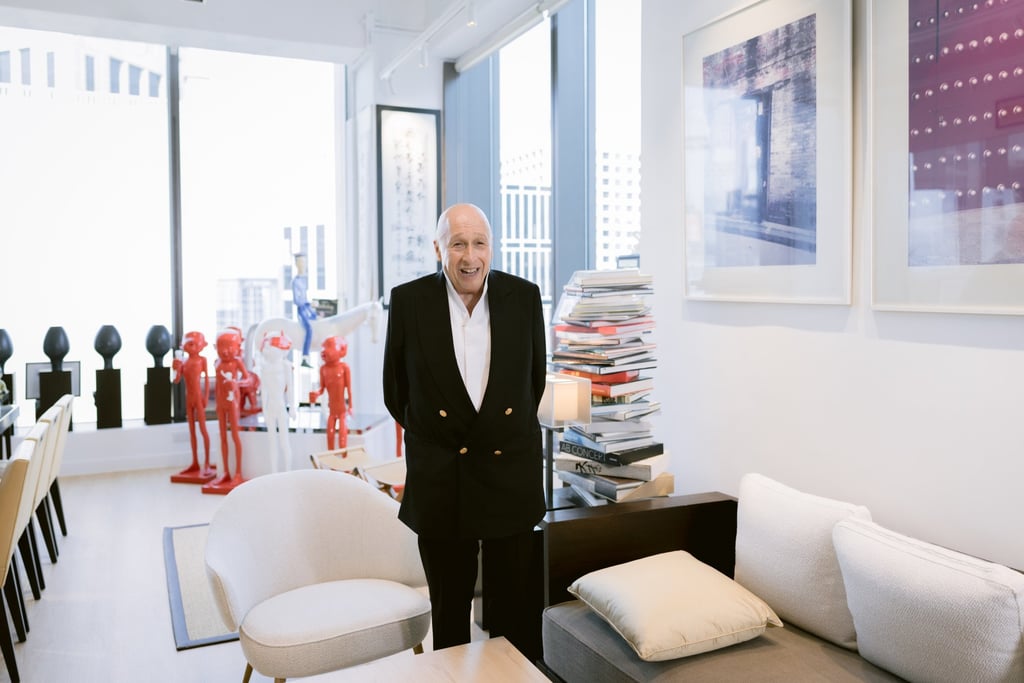
The competition was organised by the Post’s Morning Studio team in collaboration with Huawei. Participants were given a mere 45 minutes and use of a Huawei MatePad Pro 13.2-inch to create engaging presentations for Zeman to evaluate, built around their ideas on how to repurpose Hong Kong’s urban spaces to benefit the community.
Among the contenders was Stella Wong, a clinical researcher and practitioner of traditional Chinese medicine (TCM) who is also the founder of Lectcha. Her company makes kombucha – a fizzy, fermented tea drink – with a healthy herbal twist and in many flavours; the idea was initially conceived during her postgraduate studies.
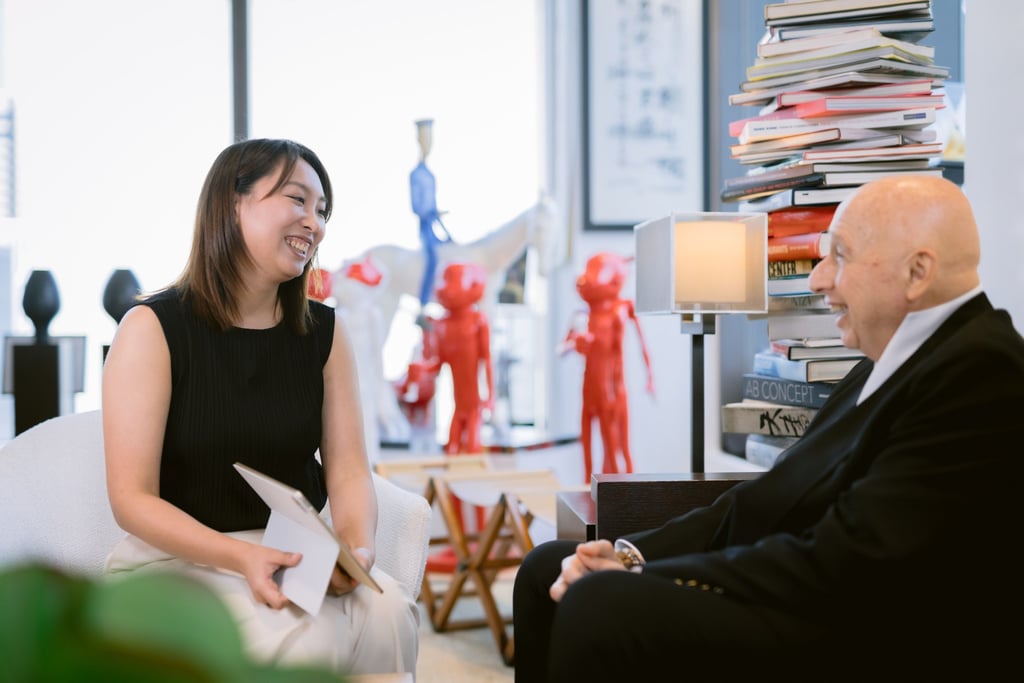
However, the idea she pitched to Zeman focused on how the 3,000 or so public phone booths still standing in Hong Kong can be repurposed to meet the community’s changing needs.
Wong quickly came up with a well-structured presentation consisting of data, stock photos and illustrations to make a case for equipping the booths with artificial intelligence (AI) technology. She envisioned them being used to provide healthcare services for the elderly or information to tourists, or to serve as sites for special business promotions.
“The basic infrastructure is already there,” Wong said. “AI can help in learning what the community needs. We can create a model that generates revenue and is self-sustaining.”
Another pitch was put together by Alan Tong, a professional bodybuilder and co-founder of Not a Gym Company. His business provides personalised fitness training, with a focus on creating healthier lifestyles.
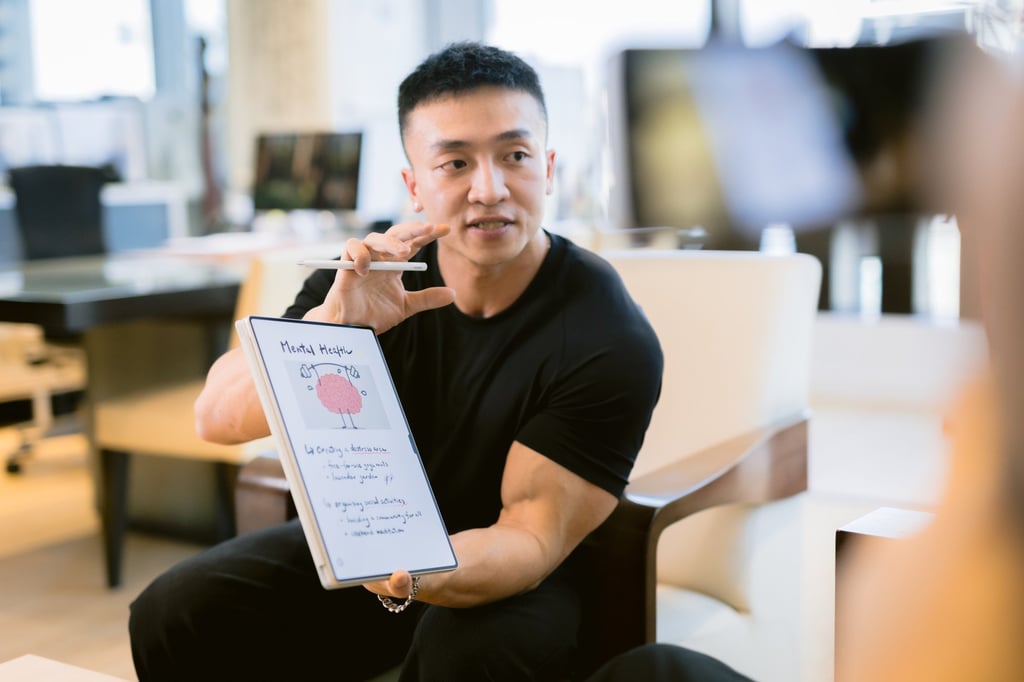
Showing a clean and neat presentation that included workout photos and handwritten notes, Tong explained how making the city healthier could be achieved by making use of underused urban spaces, including unleased offices, where simple exercise equipment such as high bars, benches and yoga mats could be set up. This, in turn, could also encourage social interactions, which are beneficial for mental health.
“We could put QR codes with instructions and suggestions about suitable routines and how to de-stress,” Tong said. “It can all be done in a low-cost way and be a starting point for other social activities.”
Poon Realiam, a designer and music video director who is also owner of the bespoke clothing brand Rojol, believes change is essential for Hong Kong’s public parks. His pitch highlighted four pain points that he saw: single-function syndrome, daytime-only use, too many rules and almost zero interaction between people.
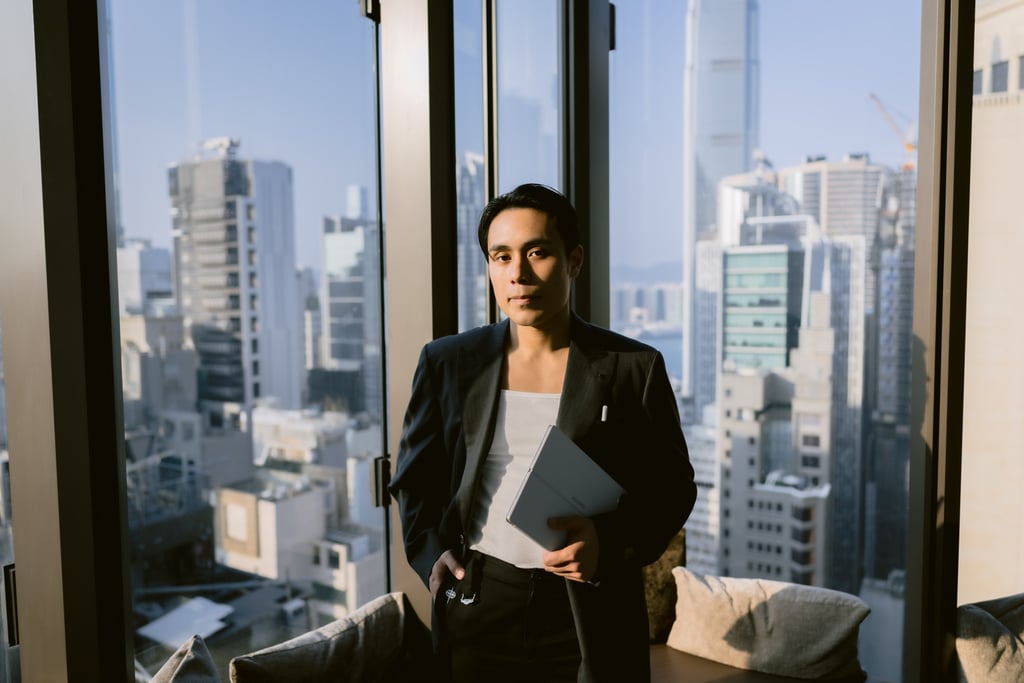
Reflecting his artistic field of work, Poon used his drawing skills to come up with a whimsical and visually engaging presentation.
The core solution he proposed was to “light things up” at the parks by creating opportunities for random socialisation. He suggested offering pop-up markets, performances and open-air art shows, which would be free of charge and open to everyone.
“This can unleash grass-roots creativity and make better use of the space available,” Poon said. “Great parks aren’t designed, they are ‘played’ into existence by the citizens who go there.”
Wrapping up the pitch competition, Zeman commended the innovative thinking and pitching skills of all three contestants. After deliberating each presentation, he selected Wong as the winner.
“She came up with a unique idea to give new life to the city’s unused phone booths,” Zeman said. “This does something for the community and can make money too.”