Beijing seeks to avoid ‘black swan’ financial market disruptions as trade war fears rise
Top financial regulators say country must fine-tune monetary policy so there is enough liquidity to manage economy amid growing challenges

Chinese financial regulators have met again to discuss growing concern about surprise events, such as a sharp escalation in the trade war with the United States, that could severely damage China’s financial markets.
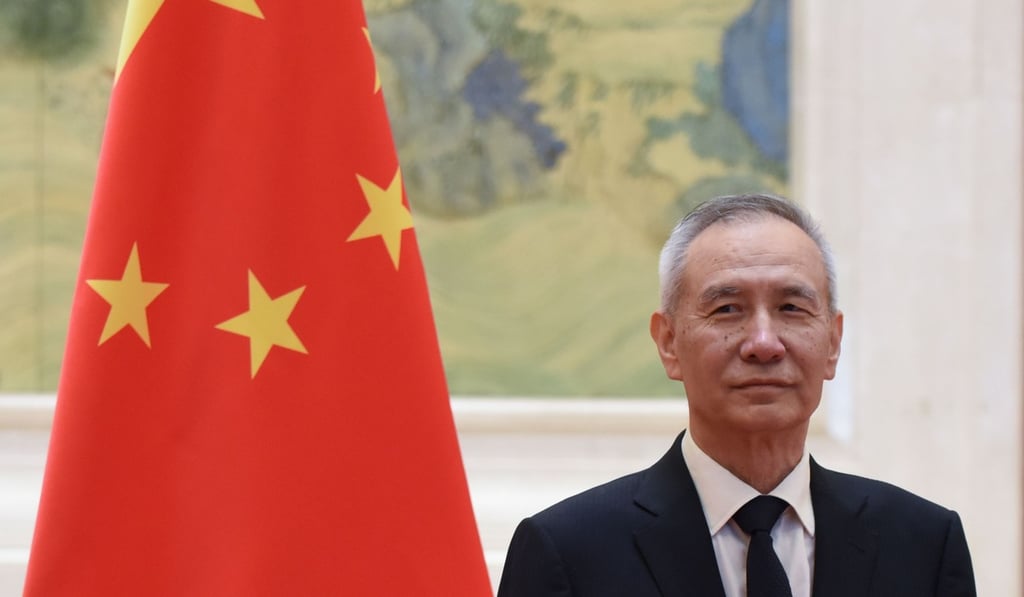
The discussion of what to do to avoid “black swans” that could cause major disruptions was made at the latest meeting of the Financial Stability and Development Committee (FSDC), the agency coordinating financial regulation chaired by Vice-Premier Liu He, according to a statement on Monday.
The meeting, which took place on Friday, also concluded that China must fine-tune monetary policy to maintain ample liquidity in financial markets to manage its economic and financial situation in the light of escalating challenges posed by the trade war.
It comes less than a week before the 10th anniversary of the collapse of the Lehman Brothers securities firm that precipitated the worse financial crisis since the 1930s.
China must “prevent all kinds of ‘black swan’ events to maintain a healthy development of stock, bond and exchange rate markets”, according to the statement, referring to a term popularised by Nassim Taleb early this century to describe surprise events that cause significant disruptions.
It was the third meeting of the FSDC in the last 100 days, reflecting Beijing’s heightened alertness to financial volatility as Trump’s trade war escalation and financial turmoil in a number of emerging markets, particularly Turkey and Argentina, started to erode investor confidence. Members of the FSDC include Yi Gang, governor of the People’s Bank of China, and Guo Shuqing, head of the China Banking and Insurance Regulatory Commission.