Humans to blame for scale of devastation caused by Typhoon Haiyan, say experts
Population rise, poverty, poor housing and climate change make much of Philippines vulnerable
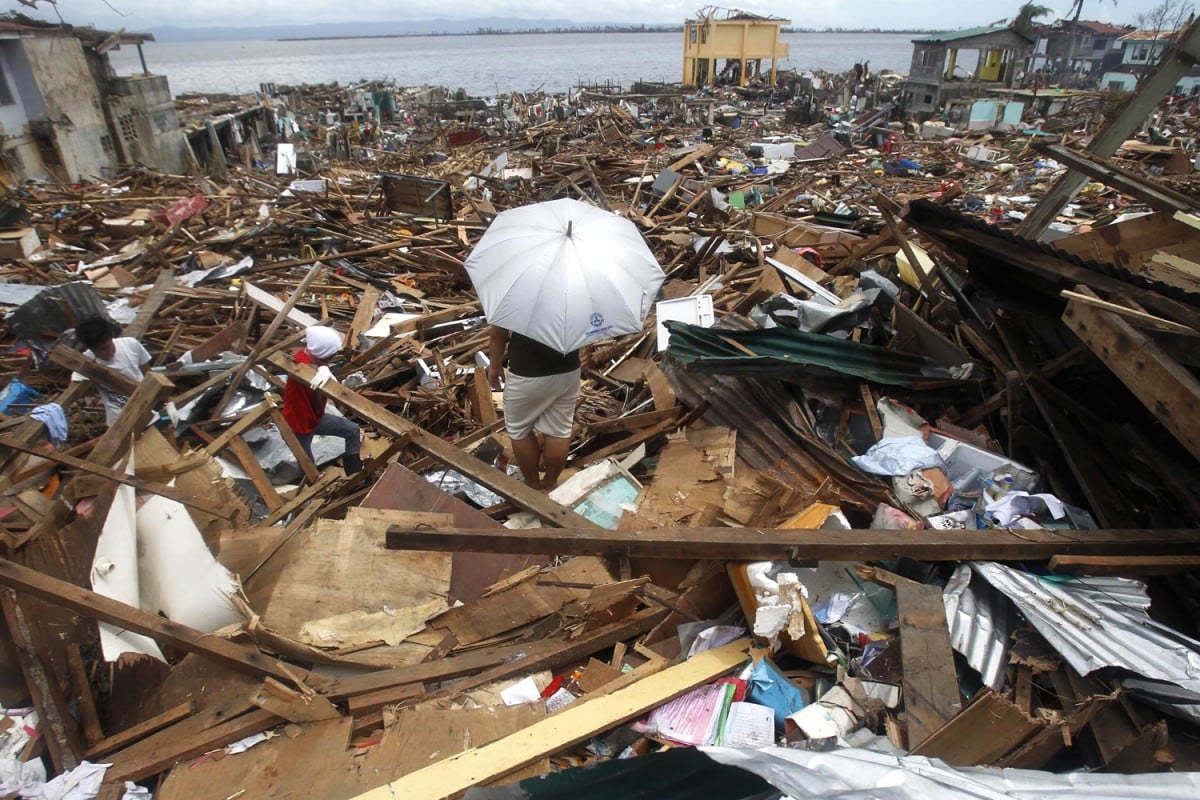
Typhoon Haiyan was an example of nature's fury at its most extreme.
But some experts say that although meteorology and geography contributed to the vast scale of the unfolding disaster in the Philippines, the lion's share of blame belongs to the human factor.
Poverty, shoddy construction, a booming population, and perhaps to a lesser degree climate change, all combine to make the Philippines the nation most vulnerable to the deadly effects of powerful typhoons, according to several scientific studies.
And Typhoon Haiyan was an extremely powerful storm. It produced a storm surge two storeys high and some of the highest winds ever measured in a tropical cyclone. An untold number of homes were blown away and thousands killed.
"You have a very intense event hitting a very susceptible part of the world. It's that combination of nature and man," said MIT tropical meteorology professor Kerry Emanuel. "If one of those ingredients were missing, you wouldn't have a disaster."
The 7,000 islands of the Philippines sit in the middle of the world's most storm-prone region, which gets some of the biggest typhoons because of vast expanses of warm water that act as fuel and few pieces of land to slow storms down.