Asia falling out of love with rice as new wave of superfoods make their way onto dining tables

Lunchtime in Taipei’s Ximending district is a test of wills and patience as tourists and locals jostle at restaurants and street stalls to choose between steamed and fried dumplings, flat and thin noodles, stuffed pancakes, grills and desserts.
In this foodie haven, one item makes only an occasional appearance on menus and on plates – rice.
Once a staple of Taiwanese diets, rice consumption per person has fallen more than two-thirds in 50 years, according to the United Nations’ Food and Agricultural Organisation (FAO), as “smart crops” and “super foods” muscle their way onto plates.
It is the steepest drop in Asia but it mirrors a trend across the continent as urbanisation, rising incomes, climate change and concerns about health and food supplies drive a push for alternatives for the future such as millets and more protein.
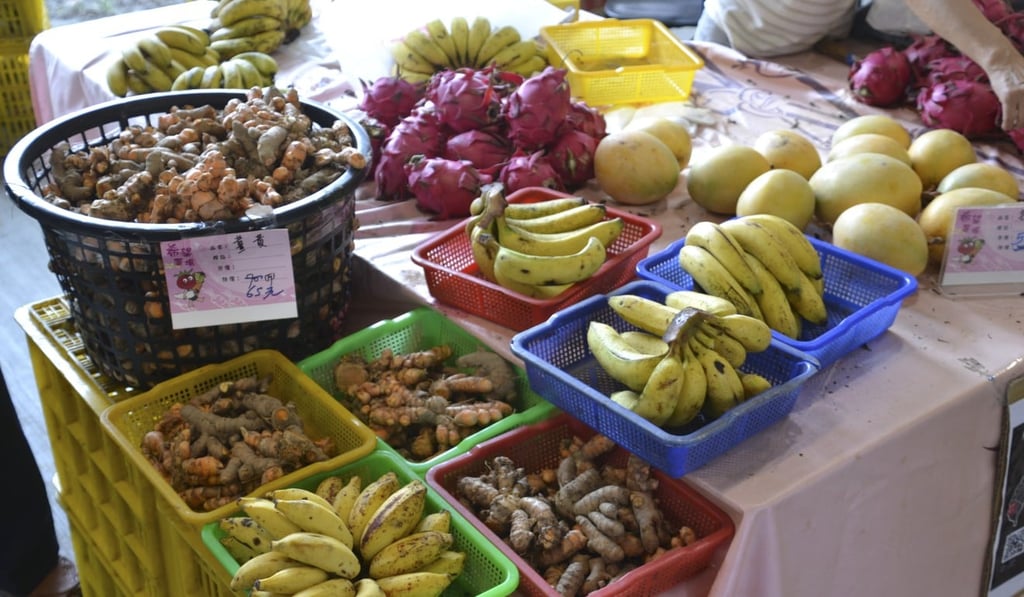
“I ate a lot of rice when I was younger but now I eat more vegetables, fish and meat. It’s healthier,” said Guan-Po Lin, 24, who moved to Taipei for university.
“People are spending more on food, and they want to eat healthy, and rice is not seen as a healthy choice.”