Nuclear ghost town reveals the risk for Taiwan’s energy shift
President Tsai Ing-wen’s order to shut all of the island’s nuclear reactors to shut by 2025 has set off a high-risk gamble to find alternatives

A map at the guardhouse of the Lungmen Nuclear Power Plant in Taiwan shows what might have been: classrooms, dormitories, a grocery store, a police station.
It was supposed to be a self-contained city on the island’s northeast coast designed to meet growing demand for electricity.
Instead, the complex stands empty – unfinished and never used – a US$10 billion casualty of growing public opposition to nuclear power.
Since a disastrous 2011 reactor meltdown in Japan, more than 2,250 kilometres (1,400 miles) away, Taiwan has rewritten its energy plans. President Tsai Ing-wen ordered all of the island’s nuclear reactors to shut by 2025.
That has set off a high-risk gamble to find alternatives to nuclear, which supplies 12 per cent of the island’s electricity. The sprint reflects a drive across the region towards cleaner energy sources such as sunlight, wind and natural gas.
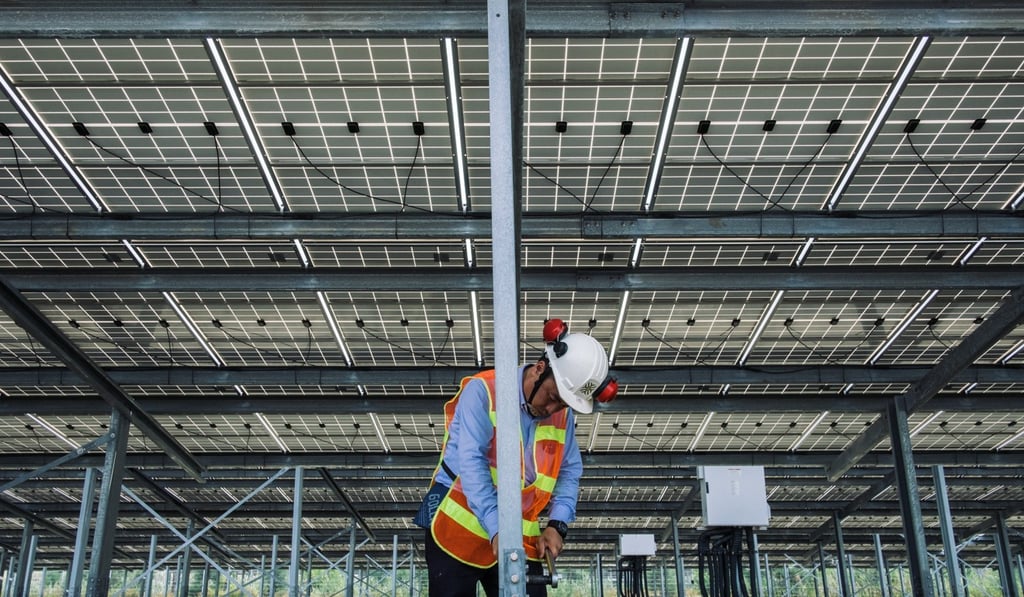
The solution: wind turbines are planned for the blustery Taiwan Strait, solar panels are popping up on coastal salt flats, and terminals are being planned to import more liquefied natural gas.