How China buys influence with Myanmar’s ruling party through boozy dinners and shopping sprees
- Beijing hopes ‘soft power’ efforts will overcome historic distrust and debt fears to drive infrastructure development
- Despite the VIP treatment, NLD leaders say they are not unduly influenced by the visits

Myanmar’s National League for Democracy, led by Nobel laureate Aung San Suu Kyi, was forged in an uprising against one-party rule. Its activists spent years in jail under the country’s military junta. But since taking power three years ago, the party has found an unlikely ally – the Chinese Communist Party.
The trips are part of a push to make Myanmar a vital stop on Chinese President Xi Jinping’s flagship belt and road initiative, offering to build deep-sea ports, hydropower dams and economic zones in a country desperate for investment.
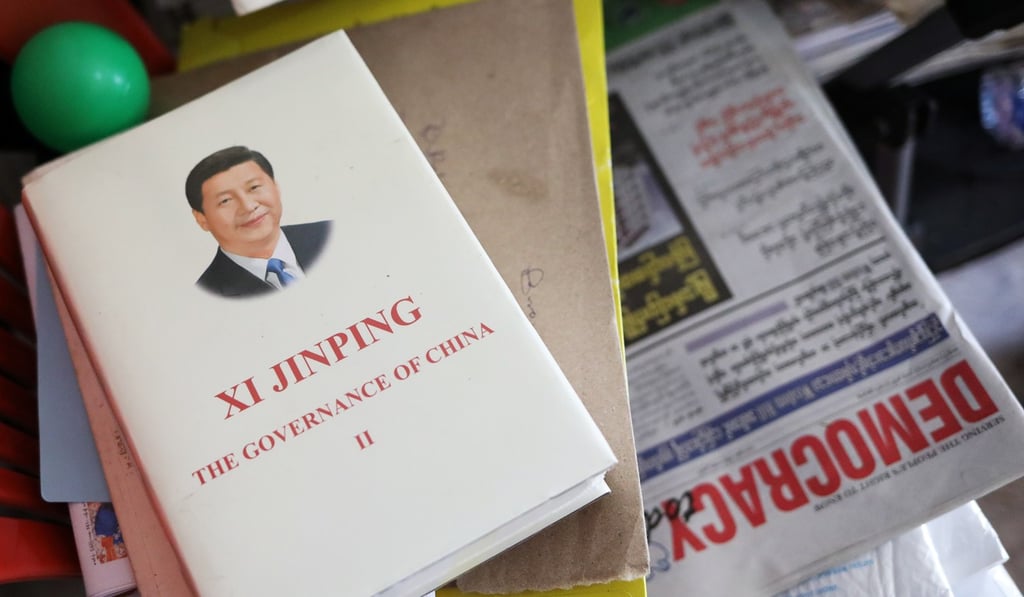
Reuters interviewed more than 20 party members and lawmakers who have visited China on expenses-paid trips, through which Beijing hopes to overcome historic distrust and fears among many in Myanmar of becoming indebted to their much larger neighbour.
“In the past it was only a relationship between two governments – [China] did business with the military generals and Myanmar people didn’t have good feelings towards them,” said Aung Shin, who edits the party’s newspaper.
The invites have flowed since Myanmar’s relations with Western countries soured following their sharp criticism of a 2017 army crackdown in its northwestern Rakhine state, from which 700,000 Rohingya Muslims fled to Bangladesh.