From India to Thailand, plastic pollution threatens Asia’s elephants, dolphins, seabirds: UN report
- The Ganges and Mekong river basins together contribute an estimated 200,000 tonnes of plastic pollution to the world’s oceans every year, the report said
- It also stressed that Asia-Pacific species face a multitude of other threats, including habitat loss, overfishing, industrial pollution and climate change

Plastic particles have infiltrated even the most remote and seemingly pristine regions of the planet, with tiny fragments discovered inside fish in the deepest recesses of the ocean and peppering Arctic sea ice.
The paper by the UN’s Convention on the Conservation of Migratory Species of Wild Animals (CMS) focused on the effects of plastic on freshwater species in rivers and on land animals and birds, which researchers said were often overlooked victims of humanity’s expanding trash crisis.
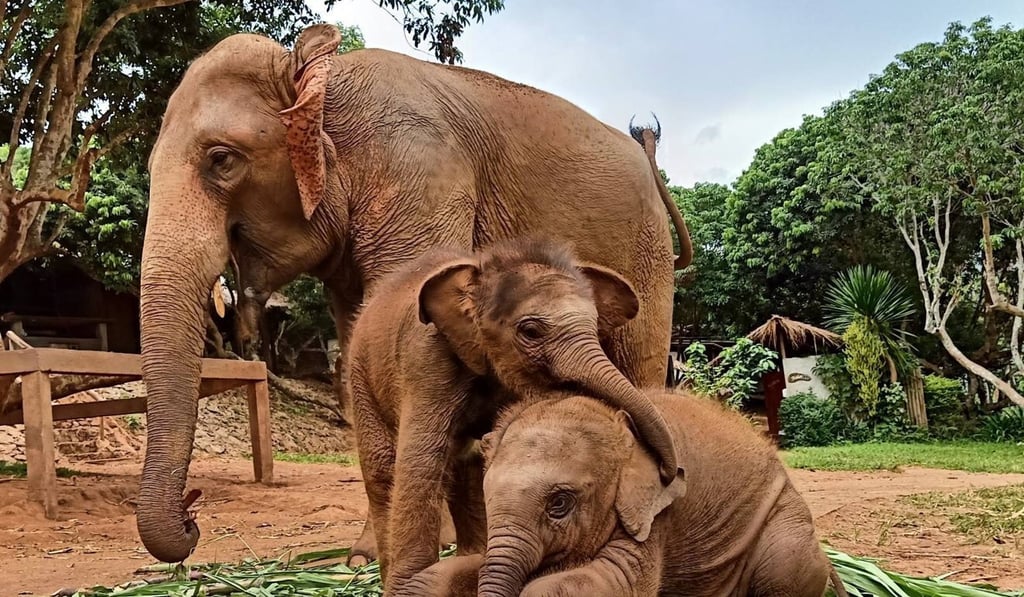
It said that because these creatures encounter different environments – including industrialised and polluted areas – they are likely at risk of higher exposure to plastics and associated contaminants.
Researchers cited estimates that 80 per cent of the plastic that ends up in the oceans originates on land – with rivers thought to play a key role in carrying debris out to sea.