High fertiliser costs catching up to Asian rice farmers, threatening ability to feed 500 million people
- Soaring fertiliser costs have rice farmers across Asia scaling back their use, a move that threatens harvests of a staple that feeds half of humanity
- Fertiliser prices have been rising globally due to supply snags, production woes, and more recently Russia’s invasion of Ukraine

Soaring fertiliser costs have rice farmers across Asia scaling back their use, a move that threatens harvests of a staple that feeds half of humanity and could lead to a full-blown food crisis if prices aren’t curbed.
That’s a “very conservative estimate,” said Humnath Bhandari, a senior agricultural economist at the institute, adding that the impact could be far more severe should the war in Ukraine continue.
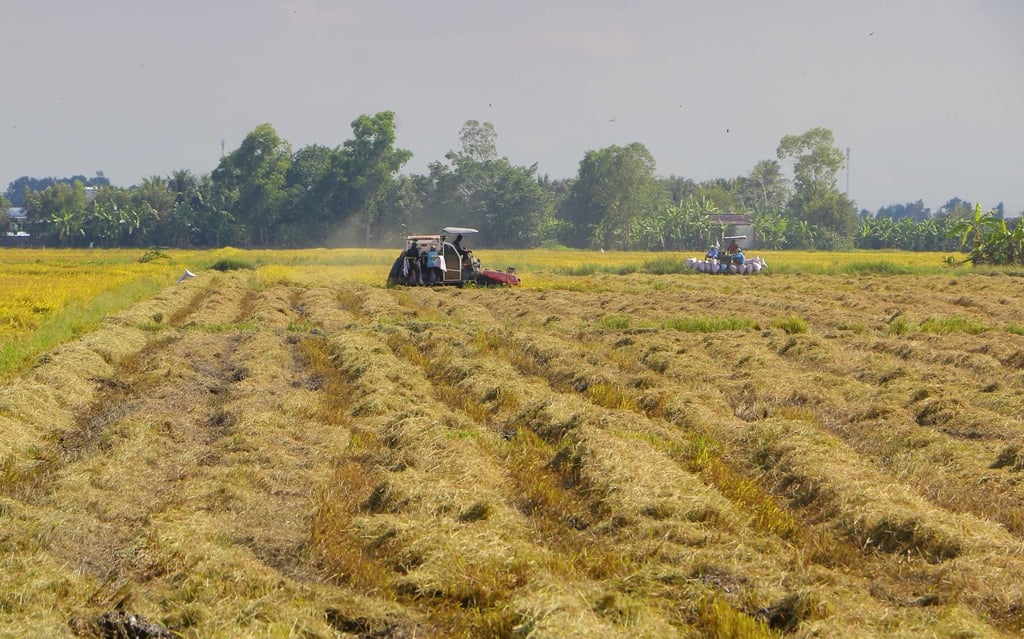
The surge in fertiliser costs is threatening to stoke food inflation assuming farmers continue to cut back and crop yields suffer. If that happens, global supply chains are likely to take a major hit: Practically every plate of food makes it to the dinner table with the help of fertilisers.
Rice farmers are particularly vulnerable. Unlike wheat and corn, which have seen prices skyrocket as the war jeopardises one of the world’s major breadbaskets, rice prices have been subdued due to ample production and existing stockpiles. That means rice growers are having to deal with inflated costs while also not getting more money for their grains.
Nguyen Binh Phong, the owner of a fertiliser and pesticide store in Vietnam’s Kien Giang province, said the cost of a 50-kilogram sack of urea – a form of nitrogen fertiliser – has jumped three-fold over the past year. He said some farmers have slashed fertiliser use by 10 per cent to 20 per cent because of soaring prices, leading to a lower output.