From Australia to India, massive passenger demand sparks travel chaos
- As borders reopen, travel has sprang back with such voracity that it’s resulted in an unprecedented labour crunch for the aviation industry
- In Asia, airports have typically been more proactive than elsewhere in the world when it comes to avoiding meltdowns. Others are just hoping for a breather

Airline and airport executives spent the past two years trying to convince everyone it’s safe to fly during a pandemic, touting reduced touch points and hospital-grade filters. Little did they know how overwhelmed they’d be once travel came roaring back.
As countries reopen borders and Covid-19 curbs fall away, travel has sprang back with such voracity that it’s resulted in an unprecedented labour crunch, made worse by the pandemic-induced lay-offs of hundreds of thousands of workers, from pilots to cabin crew and ground-handling staff. Many are in no mood to come back but even if they were, scaling up at such pace is a risk for airlines and airports, with spiralling inflation and economic pressures putting a question mark over how sustainable the current demand really is.
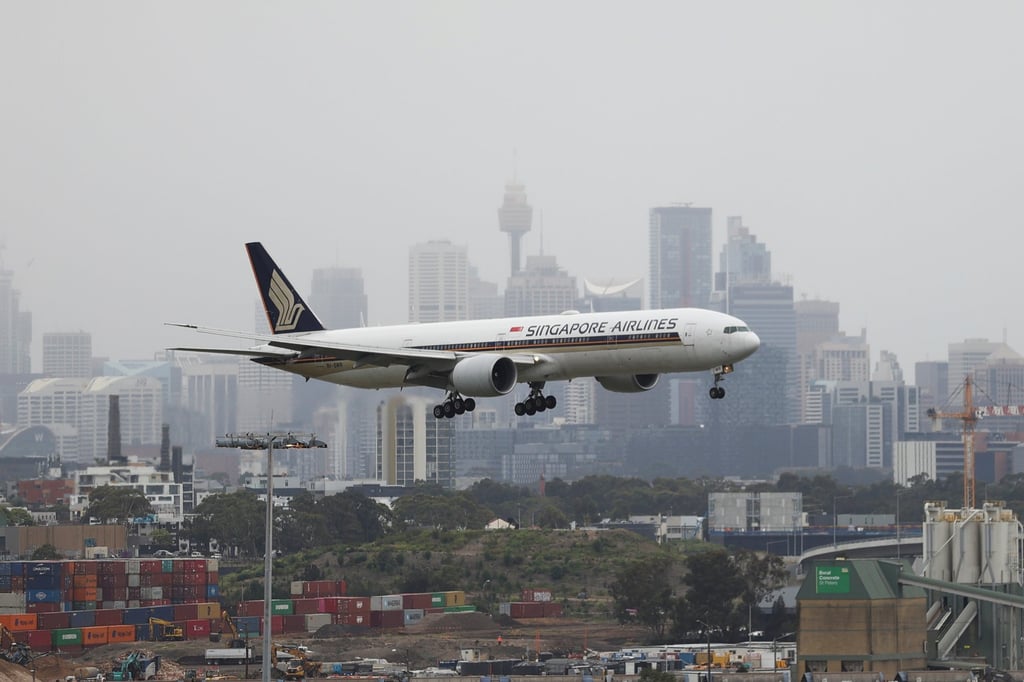
“All airports and airlines are short staffed at the moment,” said Geoff Culbert, the chief executive officer of Sydney Airport, where almost half the 33,000-strong workforce lost their jobs during Covid-19. The aerodrome is furiously trying to rebuild, but “we’re not as attractive a place to work as before,” he said. “There’s still an element of concern around job security.”
The severe staff shortage, sure to be a topic of discussion at the International Air Transport Association’s 78th annual general meeting that kicks off in Doha on Sunday, has led to delays, cancellations and extreme frustration for both airlines and travellers across geographies. The situation has become so bad that Ryanair Holdings Plc Chief Executive Officer Michael O’Leary called for help from British military personnel and Australia’s Qantas Airways Ltd. has taken to cajoling head office staff to work as airport volunteers during the peak July holiday period.
“The staff shortages mean that we are struggling to operate our planned schedule with the quality and punctuality we promise,” Jens Ritter, the CEO of Lufthansa, said in a LinkedIn post last week, apologising for cancelled flights in Munich and Frankfurt. “Many people have left the aviation sector during the pandemic and found work elsewhere. Now, our system partners such as airports and caterers are experiencing an acute staff shortage and are struggling to hire new staff.”