Antarctic sea ice retreats to lowest level since records began 44 years ago
- Last month saw the lowest extent of Antarctic sea ice on record for July, following record low levels for June too, according to a monitoring group
- July was also dry across much of the Americas, Central Asia and Australia, but wetter than usual in eastern Russia, northern China and eastern Africa

The European Union’s Copernicus Climate Change Service (C3S) found Antarctic sea ice extent reached 15.3 million square kilometres (5,900,000 square miles) – some 1.1 million square kilometres, or 7 per cent, below the 1991-2020 average for July.
This was the lowest ice cover for July since satellite records began 44 years ago, and followed record low Antarctic sea ice levels for June too.
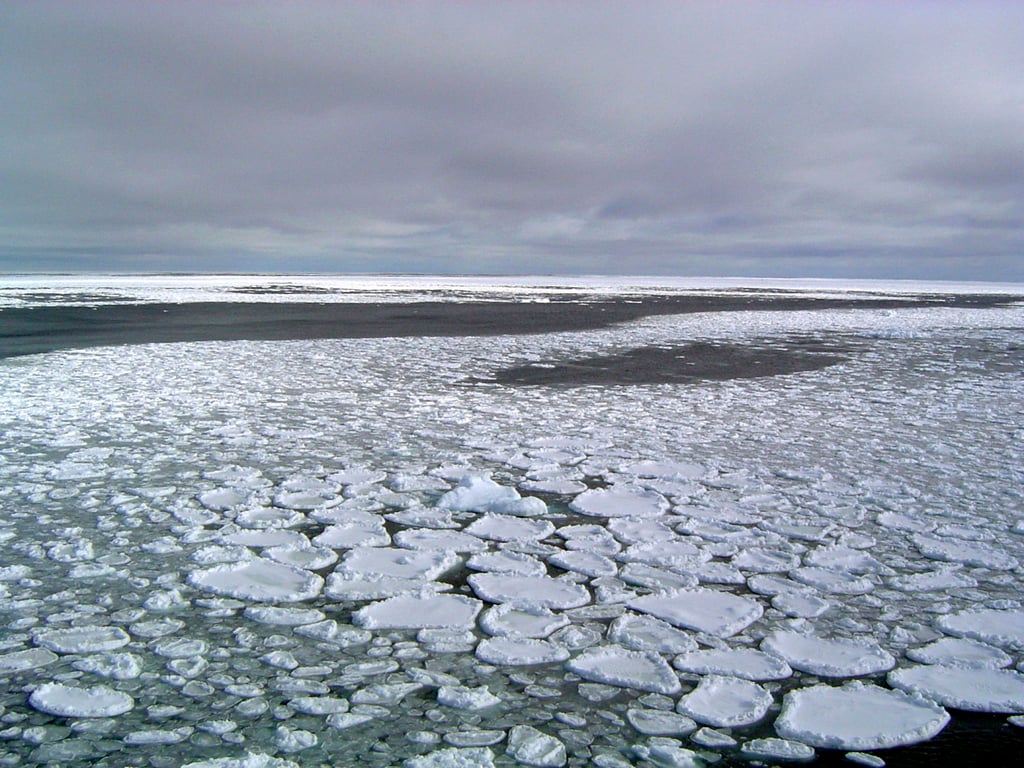
C3S said the low ice values continued a string of below-average monthly extents observed since February 2022.
The service said in its monthly bulletin the Southern Ocean saw “widespread areas of below-average sea ice concentration” last month.
Arctic sea ice cover meanwhile was four per cent lower than average, making it the 12th lowest July sea ice extent on record.