Advertisement
China leading Asia’s air travel boom, Airbus says
- The European plane manufacturer expects the global fleet to more than double over the next two decades to 46,560 commercial aircraft
- China is developing its own single-aisle airliner as it seeks to break into the lucrative duopoly for such jets now held by Airbus and Boeing
1-MIN READ1-MIN
1

Airbus predicts aircraft manufacturers will deliver 40,850 new jets over the next two decades as customers, particularly in Asia, expand their fleets and replace older aircraft with more fuel-efficient models.
The plane manufacturer expects the global installed fleet to more than double through 2042 to 46,560 aircraft, with 23,680 planes representing growth and 17,170 going toward replacement of older jets, it said in its latest Global Market Forecast.
About 80 per cent of the new deliveries will be narrowbodies such as the A320neo and Boeing’s 737 MAX, and the bulk of the expansion with come from China and the rest of Asia, Airbus said.
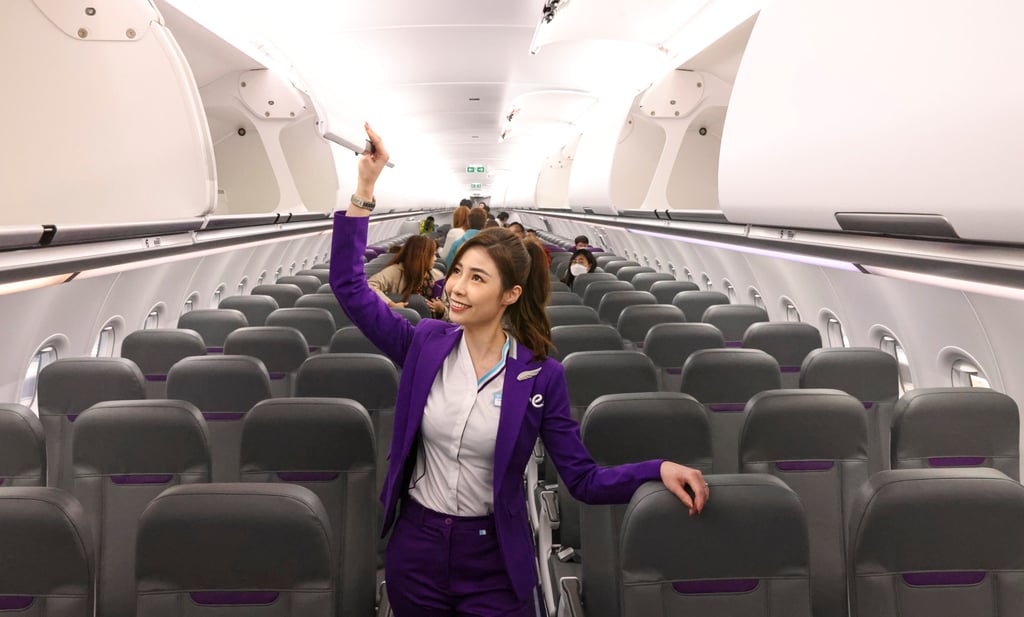
The aviation industry has seen demand surge from a virtual shutdown at the height of the pandemic. Capacity on domestic routes in May 2023 was higher than 2019 while international traffic is back to 89 per cent of pre-pandemic levels, the planemaker said.
Advertisement
Airbus’s forecast comes a day after jet lessor Avolon Holdings Ltd made a similar prediction, highlighting the industry’s confidence that it has returned to its growth path.
Avolon expects Airbus to expand its lead in narrowbody jet manufacturing, the biggest segment of the commercial aircraft market, over the next two decades, while US rival Boeing will maintain its dominance in widebody sales.
Airbus said China alone will have 9,440 aircraft by 2042, of which 85 per cent will be narrowbodies. The country is developing its own single-aisle airliner, the Comac C919, as it seeks to break into the lucrative duopoly for such jets now held by Airbus and Boeing.
Advertisement
Select Voice
Select Speed
1.00x