Criminal gangs and drug traffickers operating within fishing industry are devastating tiny island states
Palau is seeking international backing for measures to tackle overfishing, illegal fishing, wildlife poaching and organised crime

Ministers from tiny island states including Palau, the Solomon Islands and Kiribati are calling for help over the “devastating” impacts of criminal networks in the fishing industry.
Fishermen, unable to work because stocks are so low, are being lured into gun-running and drug trafficking by international organised crime, the nations’ officials told an industry conference in Copenhagen this week.
Estimates of the scale of the problem varies, but the black market in marine wildlife including corals and reef fish in Southeast Asia and the Pacific alone is worth US$850 million, according to the UN Office on Drugs and Crime (UNODC). The actual costs of crime in the industry, which includes tax transgressions, human trafficking and other offences, is far greater.
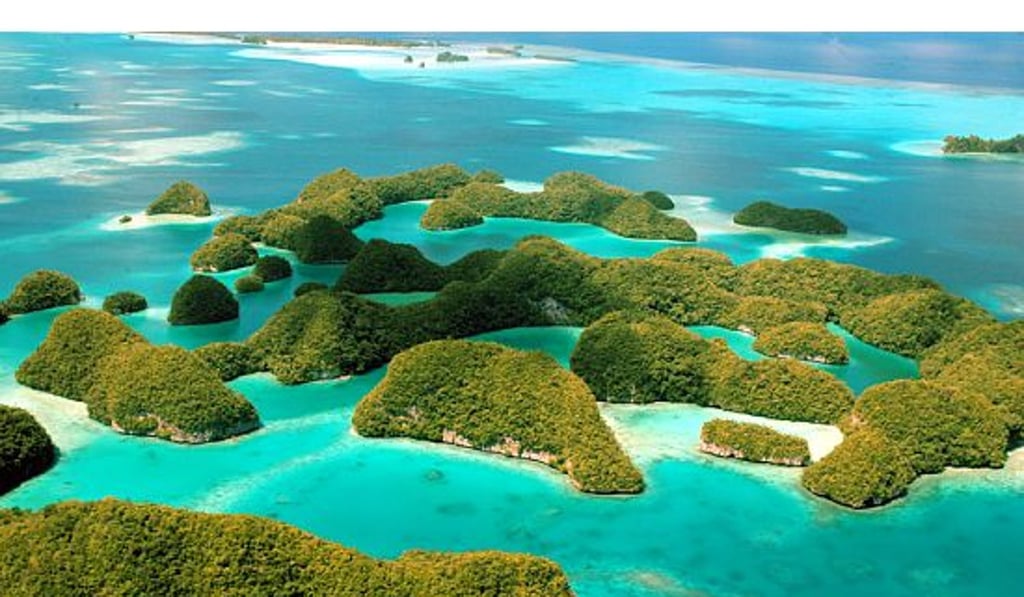
A minister from Palau told The Guardian he believed the nation’s deepening crystal meth crisis was being fuelled by distant water fishing vessels involvement in the trade. In the Caribbean, where the value of fish has decreased due to overfishing, a coastguard spoke of “fishing canoes leaving Jamaica with marijuana and within 24 hours, coming back with weapons”.
In Ghana, children are being recruited and exploited as “hard labour” to work in canoes and boats, according to an environmental specialist from the country.