New Zealand waterways are filled with sewage and faeces because it has ‘too many cows’
- A booming dairy farming industry, along with mass tourism, has taken its toll on the country’s environment
- Despite its clean, green image, New Zealand has some of the most polluted waterways among OECD countries, with about 60 per cent of them unfit for swimming

New Zealand’s clean, green image took a beating this summer as tourists travelling through the countryside posted pictures of lakes and rivers off limits due to contamination by farm effluent, garbage and human faeces.
A booming dairy farming industry, along with a surge in tourists seeking unspoiled natural attractions, has taken its toll on the country’s environment, heavily marketed as “100% Pure”.
Particularly affected is its vast network of once pristine rivers and lakes, which are now some of the most polluted among OECD countries, according to some experts. About 60 per cent of them are unfit for swimming, the Environment Ministry said in a report in 2014. Experts say water quality has deteriorated further since.
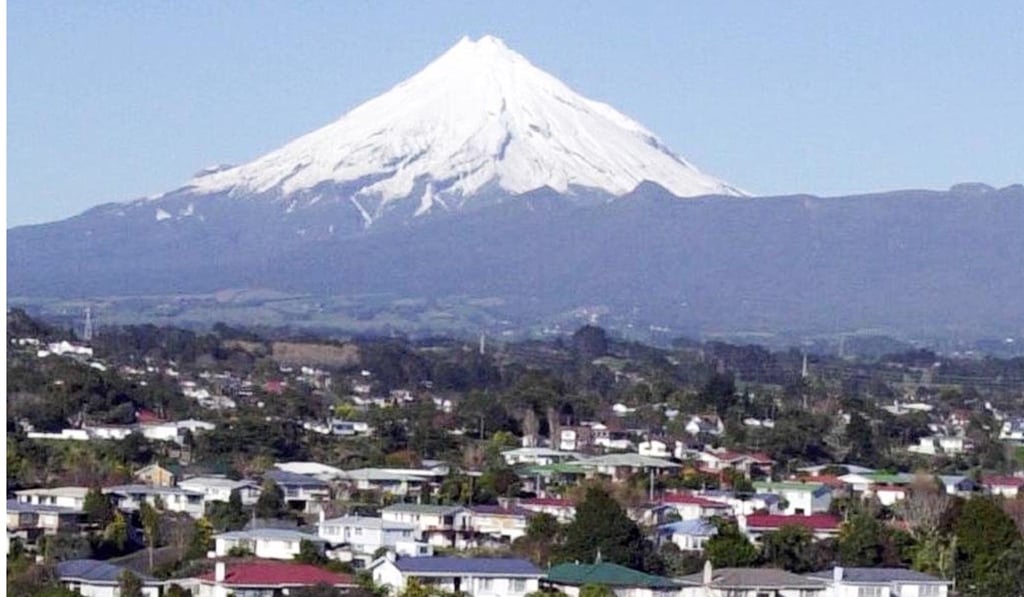
Popular swimming holes near the famed Mt Taranaki in New Zealand’s North Island were shut this month due to high E.coli bacteria, an indicator of faecal contamination. Tests are underway to determine the cause, but effluent from nearby dairy farms has been blamed in the past for contaminating these waters.
More than 13,000 people signed a #toomanycows Greenpeace campaign on Twitter launched last week calling for a ban on synthetic nitrogen fertiliser.