Potentially deadly antibiotic-resistant superbugs found on Australian gulls
- Virologist warns that people could be exposed if they touch their mouths or eat after being on grass or rocks where seagulls had been

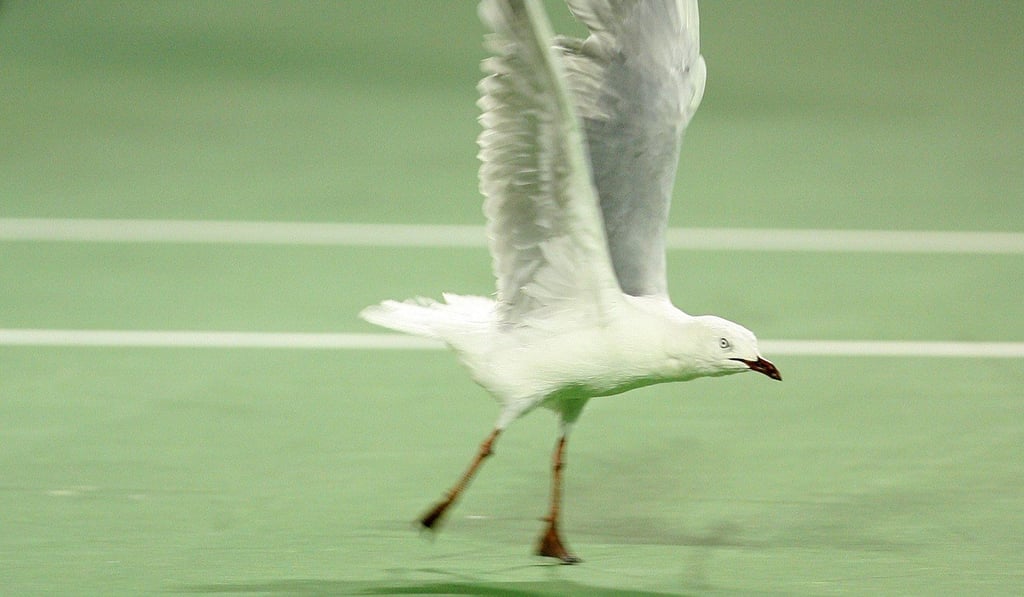
Australian gulls are carrying superbugs resistant to antibiotics, raising fears that disease-causing bacteria may spread from the birds to humans, livestock and pets.
A team of scientists led by researchers at Perth’s Murdoch University found more than 20 per cent of silver gulls nationwide were carrying pathogenic bacteria, such as E coli, that are resistant to drugs. E coli can cause urinary tract infections, life-threatening sepsis and meningitis.
Sam Abraham, a lecturer in veterinary and medical infectious diseases at the university, said the “eye-opening” study should be a warning for Australian governments.
“What we found was, regardless of the state, the gull population in Australia are carriers of superbugs, or antimicrobial resistant bacteria, that cause infection in humans,” Abraham said. “These are the ones that are resistant to drugs of importance to human health, that is where our initial concerns are.”
Globally, antimicrobial resistance has risen to “dangerously high levels” and it is one of the biggest threats to health and food security, according to the World Health Organisation and the Australian federal government.