Tourists rush to climb Uluru ahead of hiking ban, bringing trash, congestion and overflowing waste
- Up to 500 people scaling famous Australian rock formation daily, with number expected to rise as October 26 ban approaches
- Uluru is sacred to the indigenous Anangu, who have long campaigned to keep outsiders from disturbing the red landmark

It is a holy spot for the indigenous Anangu, where their ancestors rest and outsiders are cursed for disturbing the red-coloured Uluru monolith reaching for the sky.
The problem, however, is that Uluru has become sacred to another group: Instagraming tourists drawn to hike and climb the 348-metre (1,142-foot) formation in central Australia, capturing photos of sunlight glinting off sandstone.
But with a ban on hiking the formation set for October, tourists are making a last-ditch pilgrimage to set foot on the rock before it becomes illegal, creating human traffic jams reminiscent of deadly congestion on Mount Everest.
Local reporter Glenn Minett captured images of people on their way up Uluru in an antlike formation, leaving the surrounding area filled with trash, overflowing septic waste and illegal camping sites, the Australian Broadcasting Corporation reported.
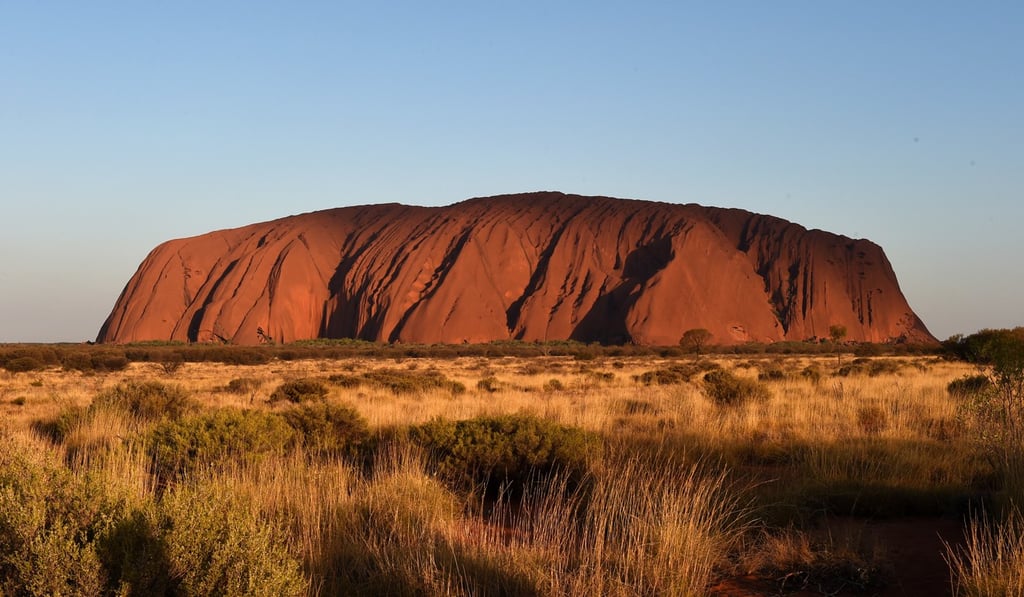
Outsider pilgrimages to Uluru have long angered the Anangu people. Large signs adorn the entrance of Uluru-Kata Tjuta National Park, where in several languages people are asked to not climb on the formation. In 2017, the Anangu successfully lobbied the government to ban climbing on the rock in a region where their ancestors arrived thousands of years ago.