Coronavirus can survive on banknotes, phone screens for up to four weeks, study finds
- SARS-CoV-2 was detected on smooth surfaces such as glass found on mobile phone screens and plastic banknotes after 28 days at room temperature
- Survival on stainless steel at cooler temperatures may help explain outbreaks linked to meat processing and cold storage facilities, the researchers said

Scientists at the Australian Centre for Disease Preparedness showed SARS-CoV-2 is “extremely robust,” surviving for 28 days on smooth surfaces such as glass found on mobile phone screens and plastic banknotes at room temperature, or 20 degrees Celsius. That compares with 17 days survival for the flu virus.
Virus survival declined to less than a day at 40 degrees on some surfaces, according to the study, published on Monday in Virology Journal. The findings add to evidence that the coronavirus which causes Covid-19 survives for longer in cooler weather, making it potentially harder to control in winter than summer. The research also helps to more accurately predict and mitigate the pandemic’s spread, the researchers said.
“Our results show that SARS-CoV-2 can remain infectious on surfaces for long periods of time, reinforcing the need for good practices such as regular hand washing and cleaning surfaces,” said Debbie Eagles, the centre’s deputy director, in an emailed statement.
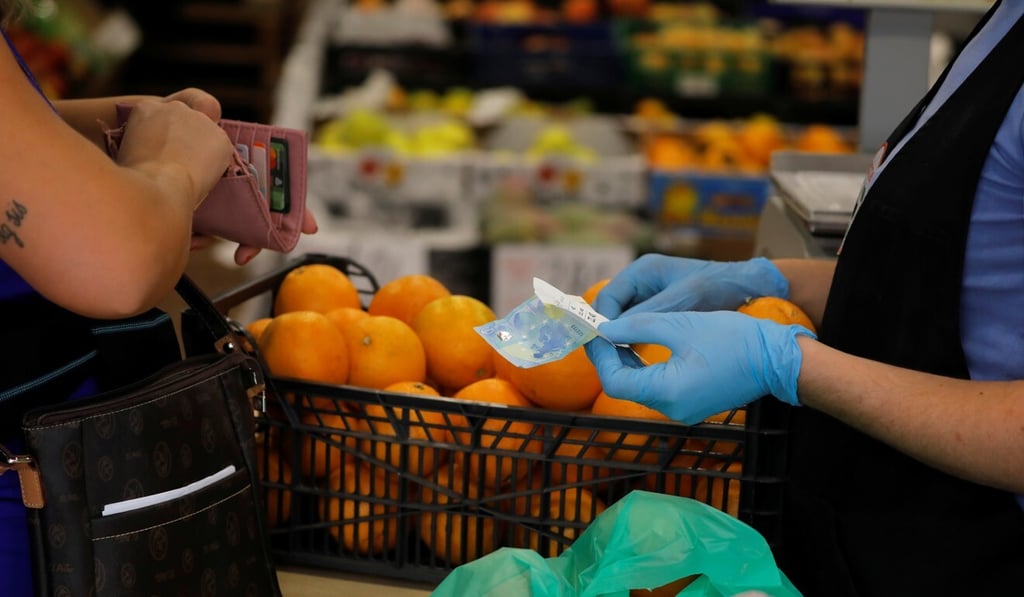
The coronavirus tended to survive longer on nonporous or smooth surfaces, compared with porous complex surfaces, such as cotton.
The research received funding from Australia’s defence department. It involved drying the coronavirus in an artificial mucus on different surfaces, at concentrations similar to those reported in samples from infected patients, and then re-isolating the virus over a month. The study was also carried out in the dark, to remove the effect of ultraviolet light, as research has showed direct sunlight can rapidly inactivate the virus.