Coronavirus: South Korea abandons GPS quarantine monitoring amid Omicron surge; Australia set to reopen to foreign tourists on February 21
- Speed of transmissions has made it impossible to maintain tight and proactive medical response, says Jeong Eun-kyeong, South Korea’s top infectious disease expert
- Elsewhere, Japan’s Kishida aims for 1 million booster shots a day as support sags; Papua New Guinea PM home from China after positive test

The speed of transmissions has made it impossible to maintain a tight and proactive medical response, Jeong Eun-kyeong, the country’s top infectious disease expert, said on Monday.
The Korea Disease Control and Prevention Agency reported 38,691 new cases of the virus, a nine-fold increase from the levels seen in mid-January, when Omicron became the country’s dominant strain. Jeong said the country may see daily jumps of 130,000 or 170,000 by late February.
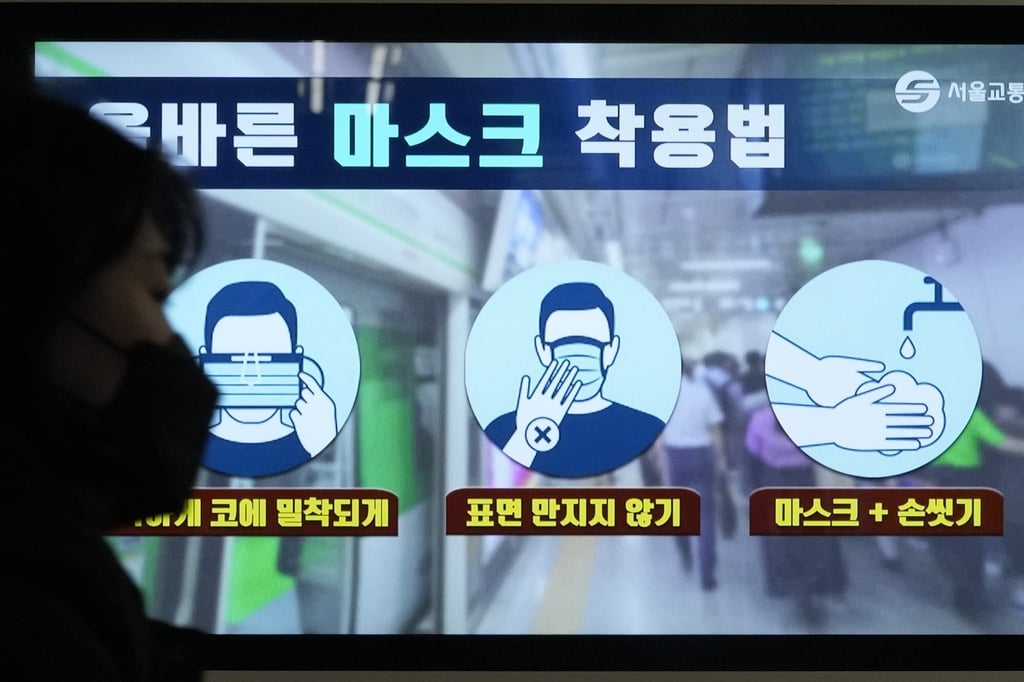
South Korea had been seen as a success story during the earlier part of the pandemic after it contained infections and hospitalisations more effectively than most countries in the West.
Health authorities worked closely with biotech companies to ramp up laboratory tests and aggressively mobilising technological tools and public workers to trace contacts and enforce quarantines.
But the country’s strengths have been rendered irrelevant by the unprecedented spike in infections fuelled by the Omicron variant, which has stretched health and administrative resources.
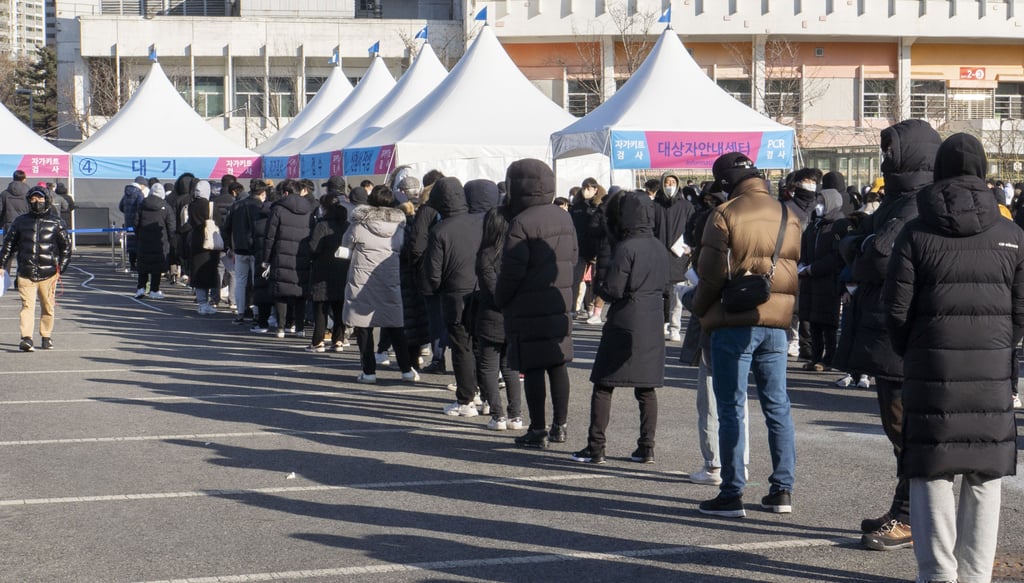
Officials had already been forced to expand at-home treatments, reduce quarantine periods, and reshape testing policy around rapid antigen test kits, despite concerns over their reliability, to save laboratory tests for people in their 60s or older and those with existing medical conditions who are at higher risk for serious illness.