Australia’s May 21 election: after fires and floods, could climate change determine Saturday’s poll?
- A survey showed concern over climate change is rising, with 60 per cent of Australians agreeing ‘global warming is a serious and pressing problem’
- Many politicians have shied away from promoting renewable energy or trying to wean the country off fossil fuels for fear of a backlash from industry and voters

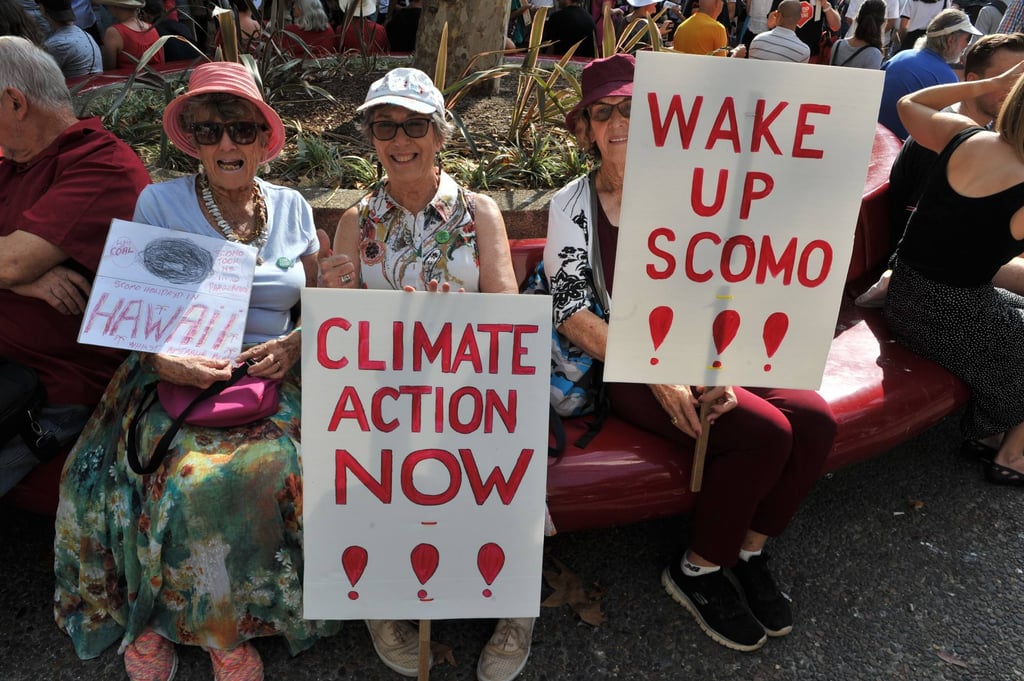
After some of the worst fires and floods ever to hit Australia, a new cohort of climate-conscious independents are threatening to shake up the federal election on Saturday, putting the government under pressure in key districts and potentially reshaping the country’s political landscape.
Enraged by the lack of government action on climate change, the candidates are campaigning hard on environmental issues in the hope of wooing moderate voters away from the major parties.
“There is deep frustration that real action hasn’t been taken on climate change,” said Allegra Spender, 44, an independent candidate in the wealthy Sydney electoral district of Wentworth. “It’s become ideological rather than based on science and business, and that’s what people are seeking: just a rational, proportional response to the evidence.”
Spender, a former analyst with McKinsey & Co, is one of more than 20 independent candidates, predominately women, who are running for seats in traditionally conservative, mostly urban districts, and who draw some of their funding from Climate 200, a fund set up three years ago to back candidates looking to advance climate policy.
About half a dozen of these candidates have come to be known as the “teal independents,” reflecting the combination of their appeal to ‘blue’ moderate liberals and ‘green’ stance on climate change.
Opinion polls show the group is gaining traction among voters with their environmental, anti-corruption and gender equality policies, posing a threat to the established parties which have trodden lightly around the climate issue for fear of alienating voters in a country that is one of the world’s largest exporters of coal and gas.
Liberal Party leader Scott Morrison, who became prime minister in August 2018, seems likely to lose power at the election, ending nine years of conservative government. A poll conducted last week suggested the Labor Party would win 80 seats, more than the 76 needed for majority government. The poll showed the current government could be reduced to 63 seats with the remaining eight seats won by minor parties and independents. If the polls are wrong, as they were at the last election, a hung parliament where independents hold the balance of power is possible.