Australia’s May 21 election: fight with China risks backfiring on Prime Minister Scott Morrison
- Polling has shown the rising cost of living is a far bigger concern for voters, with consumer price gains at the highest in two decades
- Support for the government among Australians of Chinese heritage dropped 14 percentage points to 28 per cent – a faster decline than the broader population

Prime Minister Scott Morrison has been one of the world’s most outspoken leaders in pushing back against China, and many Australian voters share his concerns. But the tough language could end up hurting more than helping him in key seats that may swing Saturday’s election.
One of them is Chisholm in the eastern suburbs of Melbourne, where one in five people are of Chinese descent. Morrison’s centre-right Liberal National coalition took the electorate by a margin of just 0.6 per cent three years ago en route to a narrow election win, and he needs to repeat the feat to pull off another come-from-behind victory.
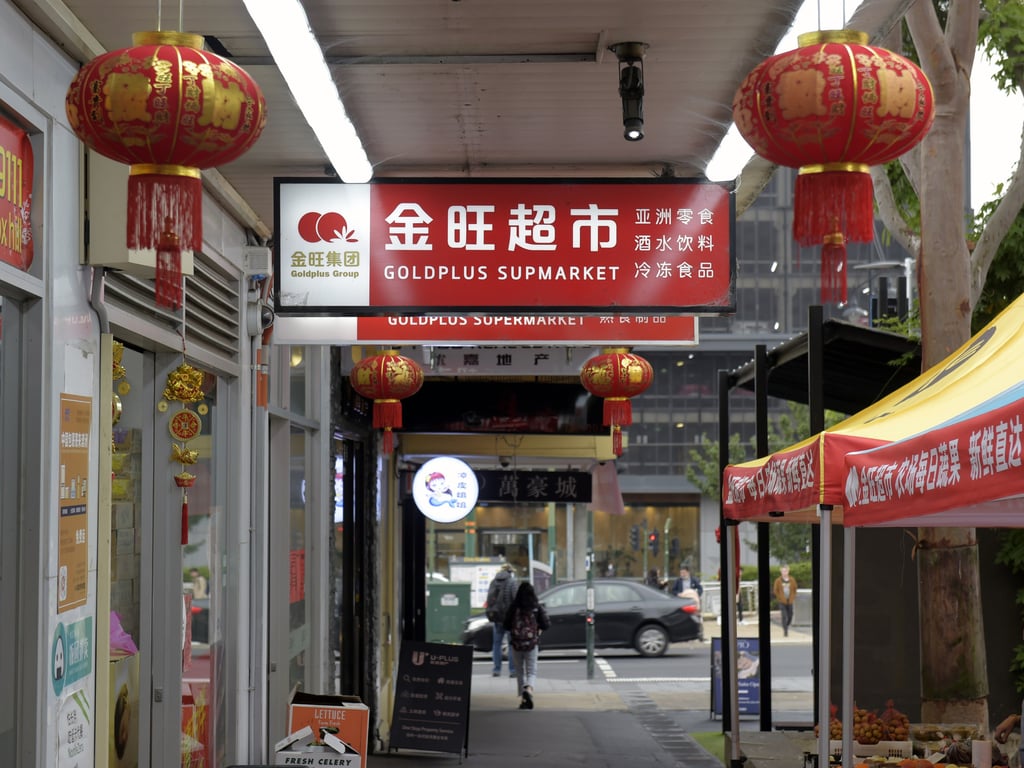
The streets of Box Hill, one of 10 suburbs that make up the Chisholm seat, are filled with Chinese medicine stores and acupuncture businesses that wouldn’t be out of place on the streets of Hong Kong or Beijing. Many of the shop signs are written in both English and Chinese dialects in the suburb, which sits about a half-hour train ride from central Melbourne.
Alan Qu, a 38 year-old real property agent in Box Hill, voted for Morrison’s coalition back in 2019. But now he is undecided heading into the election, mainly due to the Australian leader’s ramped-up anti-China rhetoric.
“If you don’t like your boss, you still get a salary,” Qu said, referring to the relationship between Australia and China. “You don’t have to have to tell them, ‘I don’t like you, you’re bad.’”
The dynamics in Chisholm show the difficulty Morrison has faced in turning a key foreign-policy credential into a winning election issue, even as Pew Research found that negative views of China among Australians rose to 78 per cent last year from 57 per cent in 2019. Polling has shown that the rising cost of living is a far bigger concern for voters, with consumer price gains at the highest in two decades.
Another reason is because the opposition Labor party, which has steadily led in the polls, has sought to blunt any advantage for Morrison by adopting a similar China policy – only with softer language aimed at appealing to the ethnic Chinese citizens who make up more than 5 per cent of the population, one of the world’s largest diasporas. To be sure, Australia’s ethnic Chinese population is incredibly diverse, with thousands coming from Malaysia, Singapore and Taiwan. Not all are fans of the Communist Party – many immigrants fled after the Chinese military fired on protesters in Tiananmen Square in 1989 – and plenty support Morrison’s strong language against Beijing.