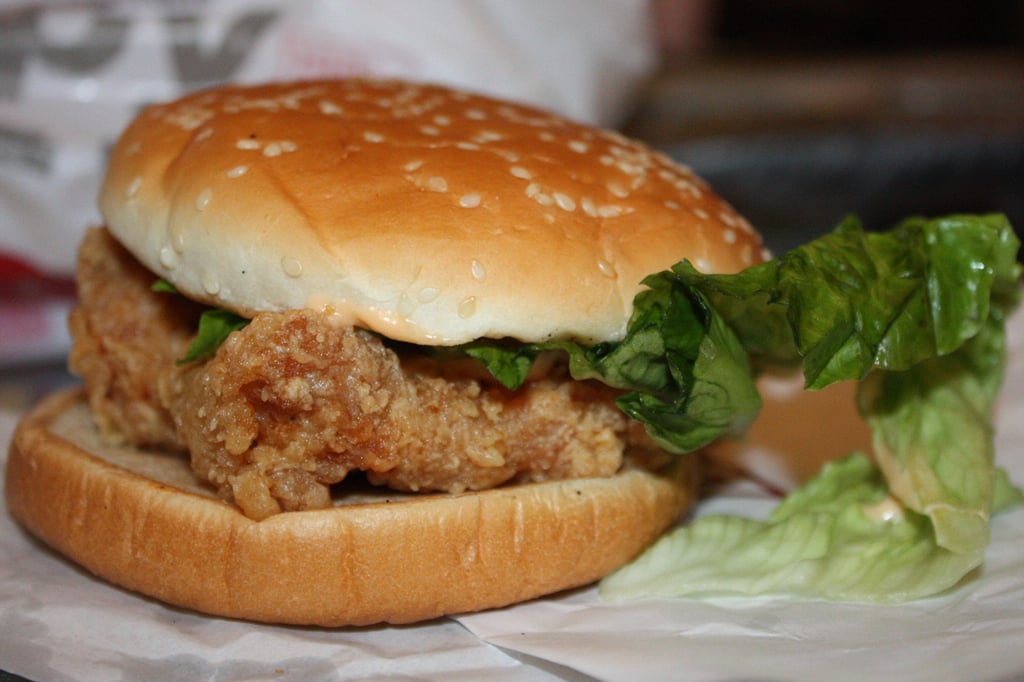
Australia’s lettuce shortage forces KFC to put cabbage in its burgers
- Heavy flooding across the east coast wiped out much of Australia’s crop lettuce earlier this year, sending prices soaring as supply chain disruptions persist
- A head of iceberg lettuce now costs around US$8.65 in the supermarket. Shoppers have reported paying steeper prices for other produce, too

The company notified customers that it will use a blend of lettuce and cabbage throughout its restaurants, citing supply chain disruptions after heavy flooding across the east coast wiped out much of the lettuce crop earlier in the year.
Australian consumers have also been hit with exorbitant prices for the humble salad ingredient in the grocery aisles. Shoppers are venting on social media about paying around A$12 (US$8.65) for a head of iceberg lettuce, as well as steeper prices for other produce, with costs upward of A$25 for a watermelon.
The sticker shock for fruits and vegetables in Australia is mainly caused by climate events such as flooding, according to government forecaster Abares. The nation is still grappling with pandemic-related supply chain disruptions and persistent labour shortages, as well as access to important imported machinery.
“In normal times fruit and vegetable prices tend to recover relatively quickly and return to normal as production in other areas becomes available to fill supply gaps,” Abares said in its quarterly outlook Tuesday. “However, in 2022–23 almost all aspects of the supply chain are facing inflationary pressures.”