Australia plans to halve migrant intake, tighten student visa rules
- Home Affairs Minister Clare O’Neil said the increase in net overseas migration in 2022-23 was mostly driven by international students
- Australia boosted annual migration numbers to help businesses recruit staff to fill shortages after the pandemic brought tighter border controls

Under the new policies, international students would need to secure higher ratings on English tests and there would be more scrutiny on a student’s second visa application that would prolong their stay.
“Our strategy will bring migration numbers back to normal,” Home Affairs Minister Clare O’Neil said during a media briefing.
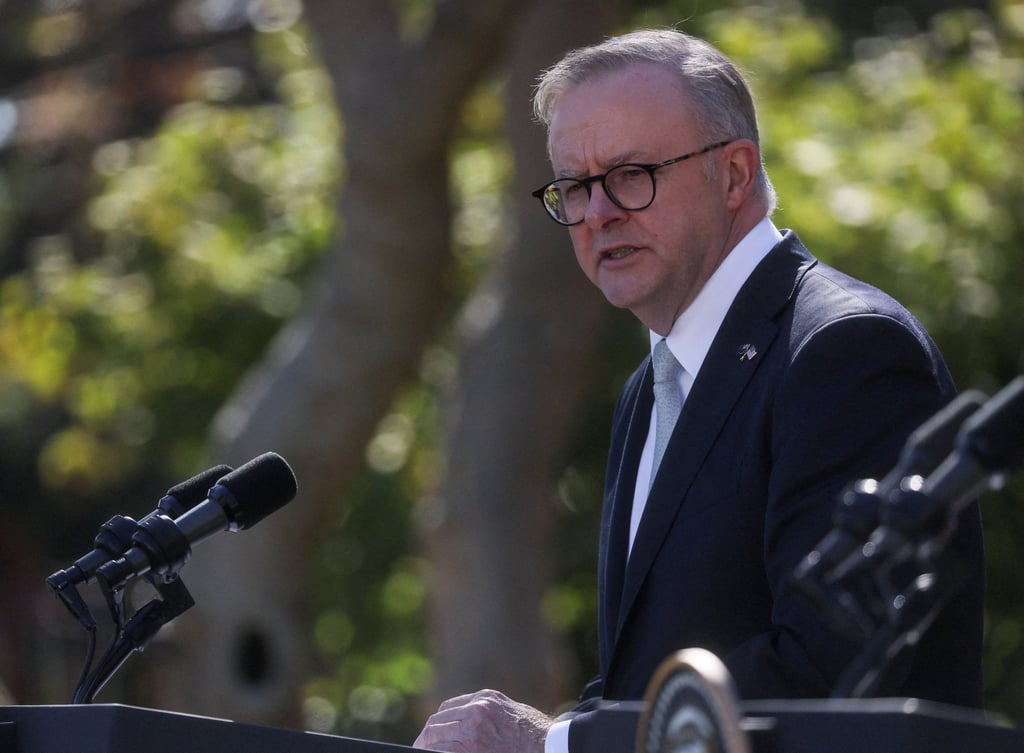
“But it’s not just about numbers. It’s not just about this moment and the experience of migration our country is having at this time. This is about Australia’s future.”
Prime Minister Anthony Albanese over the weekend said Australia’s migration numbers needed to be wound back to a “sustainable level,” adding that “the system is broken”.
O’Neil said the government’s targeted reforms were already putting downward pressure on net overseas migration and will further contribute to an expected decline in migrant numbers.
The decision comes after net immigration was expected to have peaked at a record 510,000 in 2022-23. Official data showed it was forecast to fall to about a quarter of a million in 2024-25 and 2025-26, roughly in line with pre-Covid levels.