Tug of war: the legacy of conflict with North Korea is now a tourist attraction in the South
- From leaflets with bikini-clad women to painful souvenirs of combat, Seoul’s propaganda and military offensives are drawing huge crowds
- The South Korean government also plans to spend US$2.7 billion developing “eco-friendly” tourism in regions along the 250km border with the North

The rivals’ closest military outposts are located just 580 metres from each other, in Kosong. Both sides had been moving their fortifications closer and closer over the decades despite the 1953 armistice, under which they are meant to preserve the 4km-wide DMZ as a buffer zone.
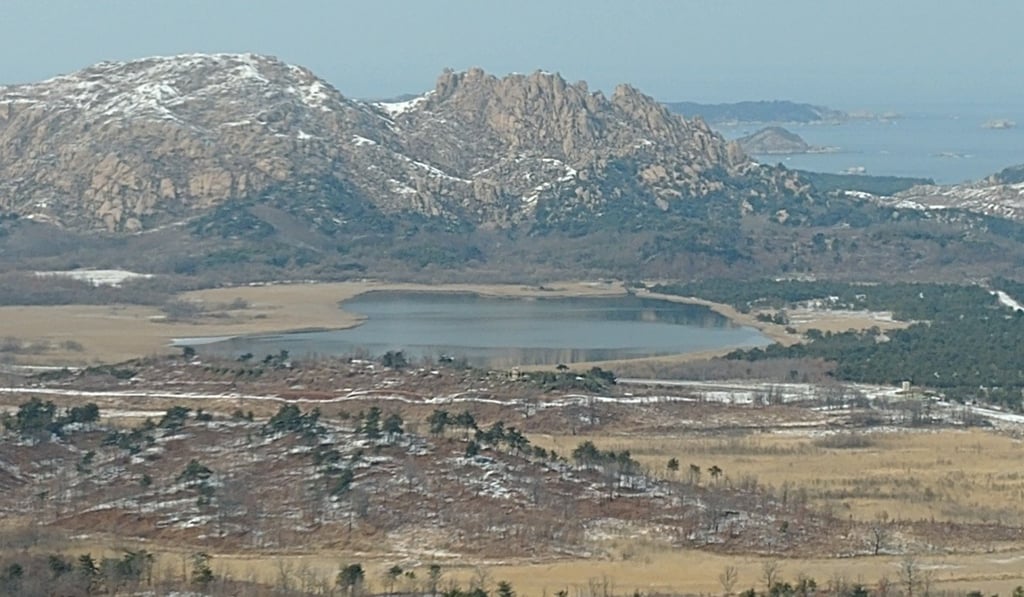
Now the screen shows a two-storey barracks flying a North Korean flag, a tunnel dug into a hill to conceal a cannon, and a lake near the beach where soldiers from the hermit kingdom can be seen swimming in the summer.
A few kilometres from the lake are a road and a railway leading to Mount Kumgang, though once-lucrative tours to the resort area have been suspended since 2008 when a tourist was shot dead by North Korean soldiers after straying into an area off limits to all but military personnel.
Last year, the two sides demolished 10 such outposts each, allowing inspections from the other side for verification, as part of an agreement to reduce tensions along the border – where an accidental exchange of fire could turn into a major conflict.