Descendants of Japanese leaders during second world war reach out for reconcilliation
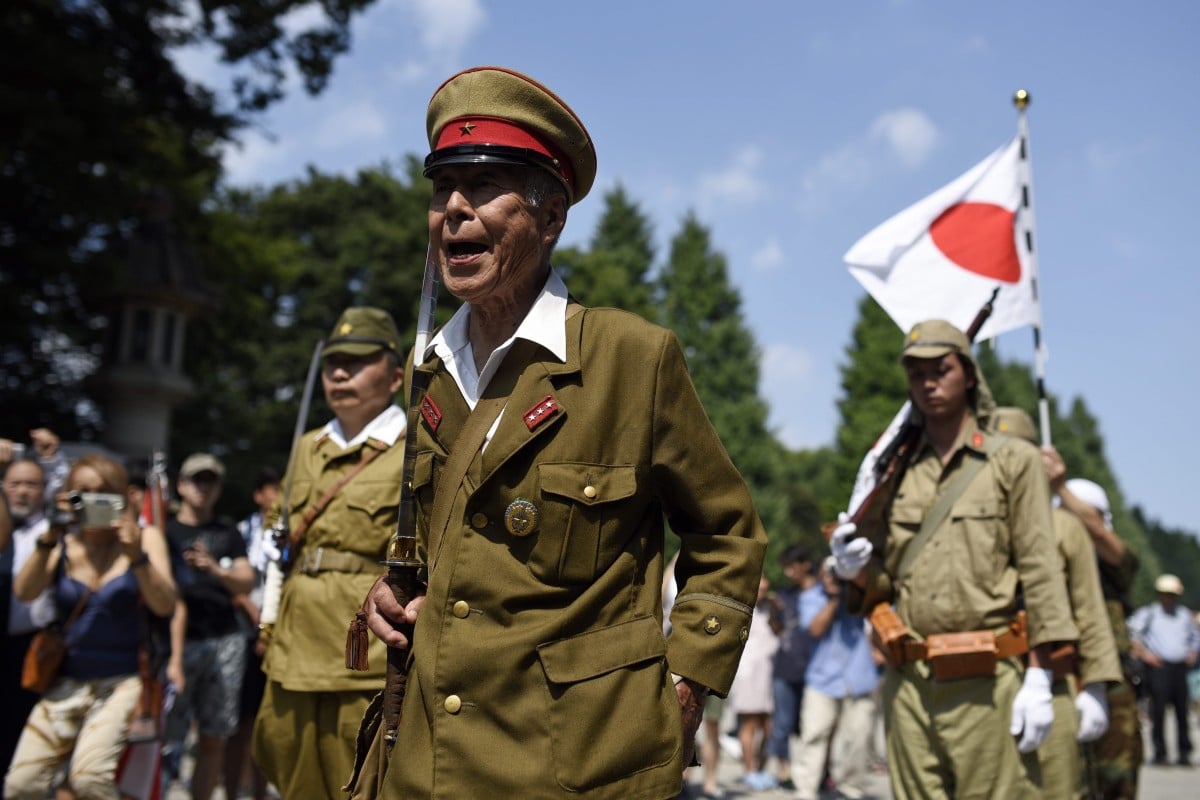
To Hidetoshi Tojo, his great-grandfather is a man in a black-and-white documentary film he saw some 30 years ago.
In one scene that he watched, Hideki Tojo — a bald, bespectacled man with a moustache — is sitting at a war crimes tribunal in Tokyo when he suddenly gets a slap in the head from behind by another defendant. The smack pierces through the courtroom, yet Tojo just turns his head around and grins.
“That was your great-grandfather,” Hidetoshi Tojo’s mother told him after he watched the scene.
Hideki Tojo, an executed Class-A war criminal, was Japan’s prime minister during much of the second world war. He was behind the attack on Pearl Harbour, and was blamed for prolonging the war, resulting in the US atomic bombings of Hiroshima and Nagasaki.
The younger Tojo, now a 42-year-old entrepreneur, was a fourth-grader when he saw the film. As a child, people often referred to him as “Hideki Tojo’s great-grandson,” and not by his own name. He didn’t like the tone of their voice, but his parents told him to keep his mouth shut and just cope.
Decades later, Japan and its Asian neighbours are still seeking closure on their wartime past.