‘Guns and butter’: the real revolution in North Korea may be the rise of consumer culture
The growing emphasis on locally produced consumer goods is partially an attempt to counter Beijing’s influence, as China accounts for nearly all of North Korea’s trade and fuel

Like all North Korean adults, Song Un-pyol wears the faces of leader Kim Jong-un’s father and grandfather pinned neatly to her left lapel, above her heart. But on her right glitters a diamond-and-gold brooch.
Song, who manages a state-run supermarket with freezers stocked full of pork and beef and rows of dairy, bakery and canned goods, is part of a paradigm shift within North Korea. Three generations into the Kim family’s ruling dynasty, markets have blossomed and a consumer culture is taking root. From 120 varieties of “May Day Stadium” brand ice cream to the widespread use of plastic to pay the bills, it’s a change visibly and irreversibly transforming her nation.
While Kim has in recent weeks gained attention for his threat to fire missiles near Guam, his trademark two-track policy focuses on the development of both nuclear weapons and the economy. But like nuclear weapons, a more consumer-friendly economy is a risky business.
Facing even more international sanctions and a flood of Chinese imports that has generated a huge trade imbalance, the North Korean economy may be in a bubble that could soon burst. Prices for petrol imports have soared more than 200 per cent in less than six months. The wealth brought by new markets could also come with political instability.
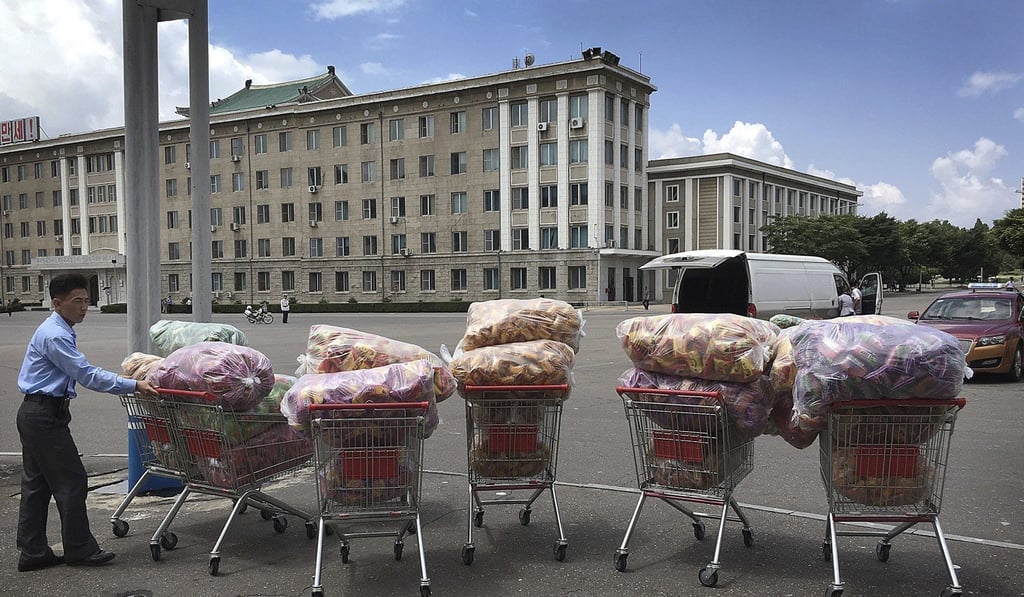
Kim Jong-un’s slogan of “Parallel Development” – guns and butter, so to speak – reflects an inescapable reality of his era. In the 1990s, reeling from floods, famine and the collapse of the Soviet Union, North Korea could no longer afford to provide its citizens with basic needs. North Koreans turned to grass roots barter and trade, which has swollen into today’s market economy.