Sanctions fanning TB epidemic in North Korea, despite improved international ties
Aid organisations hit by economic measures against Pyongyang, meaning sufferers may spread their disease and die

Dr O Yong-il swings open a glass door with an orange biohazard sign and points to the machine he hoped would revolutionise his life’s work. As chief of North Korea’s tuberculosis laboratory, O saw it as a godsend.
Tuberculosis is North Korea’s biggest public health problem. With the American-made GeneXpert, his lab would be able to complete a TB test in two hours instead of two months.
It took years, but O got the machines, only to discover GeneXpert needs cartridges he cannot replace. It’s not clear how they would violate sanctions imposed on North Korea because its nuclear programme, but no one, it seems, is willing to help him get them and risk angering Washington.
Despite budding detente on the Korean Peninsula since the summit between President Donald Trump and North Korean leader Kim Jong-un, sanctions championed by the US and Trump’s “maximum pressure” policy continue to generate hesitation and fear of even unintentional violations. That is keeping life-saving medicine and supplies from thousands of North Korean tuberculosis patients.
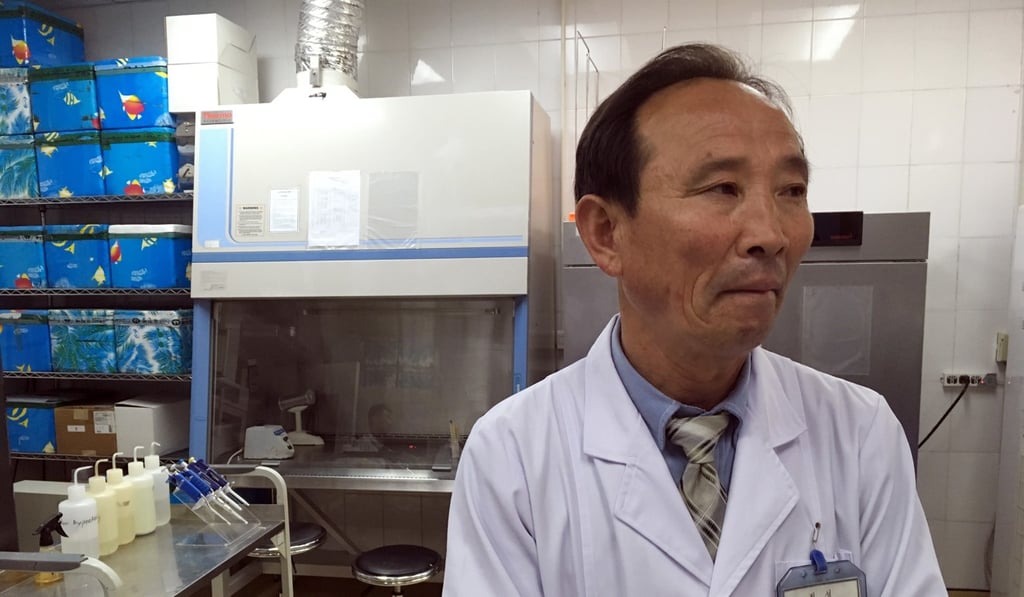
O’s laboratory, built with help from Stanford University and the Christian Friends of Korea aid group, has been running on empty since April. The idle GeneXperts may soon be the least of his troubles.